1. Overview of Slurry Knife Gate Valve
A. Core definition
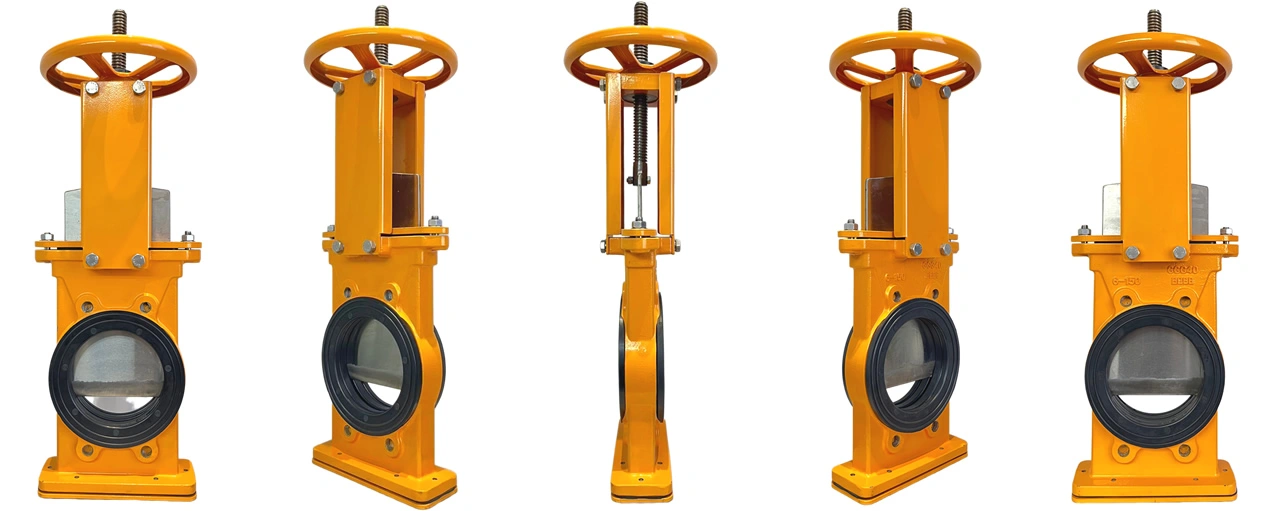
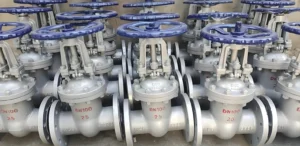
The slurry knife gate valve is a linear‑motion on‑off isolation valve, strictly applied for full‑open / full‑close service only; throttling operation is prohibited. The knife‑edged gate moves perpendicularly against flow direction. During closing travel the blade mechanically shears fibers, floccules and agglomerated particles, achieving tight shut‑off by compressing replaceable elastic or metal seat assemblies. Full‑bore internal passage minimizes local turbulence and abrasive flow velocity, lowering inner‑wall erosion risk significantly.
- General‑purpose knife‑gate models are engineered for low‑abrasion sewage and light solid‑content media.
- Slurry knife gate valve implements reinforced body wall thickness, anti‑deflection blade structure, anti‑abrasion surface treatment, heavy‑duty packing system and optional flushing ports, specifically for continuous service under high‑concentration abrasive slurry (solid mass fraction 20 %‑70 %).
2. Adopted Design & Test Standards (Credibility Backing)
- Design standards
- MSS SP‑81: core design specification for resilient‑seated knife‑gate valves
- ASME B16.34: pressure‑temperature rating, body structural dimension
- API 6D: supplementary specification for slurry‑service isolation valve requirements
- EN 12516: European‑system pressure‑bearing shell design standard
- Test standards
- API 598: shell hydrostatic test, seat tightness test, bi‑directional leakage verification
- ISO 5208: industrial‑valve pressure testing; leakage‑rate classification Rate A‑D
- MSS SP‑151: slurry‑simulation abrasion cyclic test for heavy‑duty knife‑gate products
- Optional certification: CE marking for European‑market delivery; ISO 9001 quality‑system compliance for whole manufacturing process.
Important note: Shell hydrostatic test pressure equals 1.5 × nominal pressure; seat sealing test pressure equals 1.1 × nominal pressure, performed bi‑directionally for bi‑directional sealing configurations.
3. Complete Technical Parameter Scope
- Size Range: NPS 2”‑NPS 48”; DN50‑DN1200; extra‑large non‑standard sizes available upon custom request
- Pressure class
- ANSI Class 150LB, Class 300LB as mainstream heavy‑duty options
- PN6, PN10, PN16, PN25, PN40 metric pressure grades
- Operating‑temperature envelope (depends on seat and body material combination)
- Elastomer resilient seat:‑20 °C ~ +120 °C
- PTFE‑based composite seat:‑20 °C ~ +200 °C
- All‑metal hard‑seat configuration:‑20 °C ~ +420 °C
- Allowable medium solid‑mass fraction: 0 %‑70 %, subject to particle hardness, particle size distribution and flow velocity
- Actuation modes: manual handwheel, gear‑box manual, pneumatic single‑acting / double‑acting, electric multi‑turn actuator, hydraulic drive
- Mounting pattern: wafer‑style, lug‑style, flanged connection conforming to ASME B16.5
- Flow‑pass type: full‑bore (standard configuration for slurry service); reduced‑bore upon special request
A. Full‑bore design value‑point
Full‑bore inner diameter matches pipeline inner diameter, eliminating sudden cross‑section contraction. Practical site data demonstrate full‑bore construction reduces local flow velocity by 32‑45 % compared with reduced‑bore structures, cutting local erosion rate sharply and extending valve service cycle by 40‑60 % in abrasive slurry pipelines. Reduced‑bore versions are not recommended for continuous abrasive‑slurry working conditions.
B. Bi‑directional sealing explanation
Most heavy‑duty slurry knife‑gate‑valve configurations realize bi‑directional tight shut‑off. Either flow direction can bear full nominal differential pressure without exceeding allowed leakage rate, perfectly fitting slurry pipelines with potential backflow during pump stop‑over, gravity‑flow circuits and thickener underflow loops. Some low‑cost basic‑grade knife‑gate valves only provide unidirectional sealing; users must confirm sealing direction before ordering according to actual process conditions.
4. Core Component Structure & Material‑Selection Matrix
4.1 Valve Body
Function: bear pipeline pressure, support internal assemblies, resist slurry scouring.
Available materials
- Ductile iron GGG50: cost‑effective, for non‑corrosive mineral slurry, municipal sludge; working temperature ≤120 °C
- WCB carbon steel: general‑industrial heavy‑duty slurry, moderate‑temperature service; compatible with external anti‑corrosive epoxy coating (typical dry‑film thickness 200‑250 μm)
- CF8 / CF8M stainless steel (304 / 316): mildly‑to‑moderately corrosive slurry, chemical‑industry suspension media
- Duplex steel 2205 / 2507: high‑chloride‑ion corrosive slurry, mining process medium with complex water quality
A. Reinforced‑body feature for slurry version
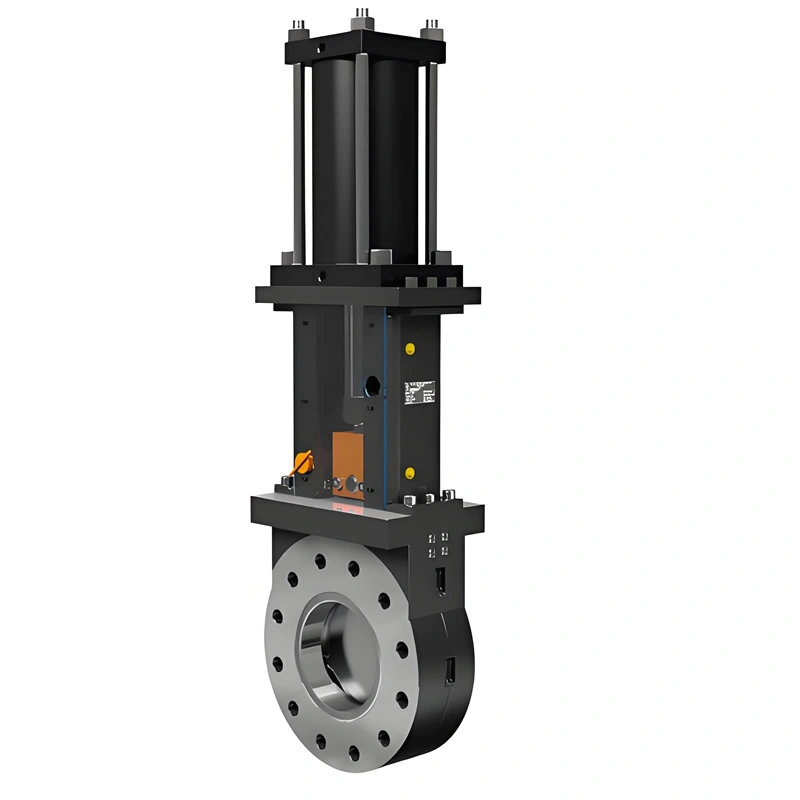
Compared with ordinary knife‑gate‑valve castings, slurry‑special‑purpose body increases wall‑thickness by 25‑40 % at high‑scour zones, eliminates sharp inner corners, optimizes flow‑guide transition geometry to lower local turbulence intensity, mitigating particle impingement wear.
4.2 Gate Blade (Knife Plate) — core working element
The sharp‑ground knife edge delivers mechanical shearing for fibers and particle agglomerations. Surface hardness directly decides anti‑abrasion capacity.
Common blade material options
- SS304 stainless steel: general‑slurry condition, low‑medium abrasive particle hardness
- SS316L stainless steel: corrosive slurry containing acid‑alkali ingredients
- 17‑4PH precipitation‑hardening stainless steel: high‑mechanical‑strength requirement, frequent‑cycle automated operation; tensile strength approx. 1000 MPa
- Hard‑facing overlay Stellite 6: overlay thickness 1.5‑3 mm at sealing contact zone, for high‑hardness mineral slurry such as iron‑ore, copper‑ore tailings; excellent anti‑abrasion and anti‑scratch performance
Practical experience: Under high‑hardness quartz‑containing slurry without hard‑facing overlay, bare stainless‑steel blades will display obvious scouring wear after 3‑6‑month continuous operation. Hard‑faced blades can extend effective service period to 18‑30 months under identical working conditions.
4.3 Seat / Sealing Cartridge Assembly
- EPDM: excellent anti‑aging performance for hot water, municipal sludge, neutral mineral slurry; temperature‑range‑20 °C ~ +120 °C
- NBR (nitrile rubber): oil‑containing slurry medium
- FKM (Viton): moderate acid‑alkali, oil‑contaminated high‑temperature slurry
B. PTFE composite seat: suitable for medium‑strong corrosive chemical slurry; temperature‑20 °C ~ +200 °C
C. All‑metal hard‑seat: high‑temperature, non‑elastomer‑compatible environment; leakage‑rate higher than resilient seat, can‑not achieve bubble‑tight zero‑leakage.
4.4 Stem & Packing System
- Stem material matches blade material to avoid galvanic corrosion; 17‑4PH is the mainstream premium choice for automated frequent‑actuation working‑conditions.
- Packing options
- PTFE packing: chemical‑inert, fit corrosive medium; upper temperature‑limit 260 °C
- Flexible graphite packing: high‑temperature working‑condition up to 650 °C
- Optional flushing‑port structure: inject clean flushing fluid around packing‑gland zone, preventing slurry‑solid‑particles invading packing clearance, avoiding stem abrasion and packing premature failure. Flushing‑port configuration is strongly suggested for high‑solid‑fraction slurry service.
4.5 Actuator configuration guidance
- Manual handwheel: infrequent on‑off operation, low‑operating‑torque situation
- Gear‑box manual: large‑size or high‑differential‑pressure condition to cut operating torque
- Pneumatic actuator: most‑popular for industrial‑site automatic control; double‑acting for continuous‑control loop; single‑acting (spring‑return) for safety‑fail open / fail‑close safety‑interlock requirement
- Electric multi‑turn actuator: sites without stable compressed‑air supply; can integrate local position‑indicator, torque‑protection alarm and remote‑signal feedback
- Hydraulic actuator: ultra‑large‑size, extremely‑high operating‑torque heavy‑duty working‑conditions.
5. Key Performance Advantages versus Other Valve Categories

- Advantage 1: Built‑in shear capability to process fibrous medium
When closing, knife‑edged blade directly cuts paper fibers, biological floccule, plant‑fiber impurities, avoiding fiber‑entrap‑caused incomplete shut‑off, a common failure‑mode for wedge‑gate and ball valves. In pulp‑and‑paper thick‑stock pipeline applications, field feedback shows slurry knife‑gate‑valve fault‑rate drops by more than 70 % compared with traditional wedge‑gate valves.
- Advantage 2: Full‑bore straight‑through flow channel, low‑deposition tendency
When fully open, no structural parts intrude inside flow‑path. Heavy solid particles will‑not deposit inside valve cavity, greatly reducing valve‑blocking risk during intermittent‑operation.
- Advantage 3: Compact overall dimension, saving installation space
Under identical nominal‑diameter and‑pressure‑grade, face‑to‑face dimension of wafer‑style slurry knife‑gate‑valve is 40‑65 % shorter than conventional wedge‑gate valve. This characteristic is especially valuable for old‑plant‑retrofit projects with limited‑on‑site layout‑space.
- Advantage 4: Modular replaceable‑seat design, convenient‑on‑site‑maintenance
Without removing valve body off‑pipeline, operators can replace sealing cartridge, inspect blade wear status. Mean‑time‑repair (MTTR) can‑be controlled within 1‑2 working‑hours; contrastingly, many other‑valve types require whole‑valve disassembly and off‑site overhaul.
- Advantage 5: Clear‑limitation reminder (objective description)
- This valve is designed only for on‑off isolation service; long‑term throttling will quickly destroy seat and blade by high‑speed particle scouring.
- Under ultra‑high‑hardness sharp‑particle medium, even heavy‑duty versions still‑show natural wear‑and‑tear; periodic inspection and wearing‑part replacement remain indispensable.
- For working‑conditions with huge‑particle size exceeding 1/3 nominal‑diameter, pre‑installation screening equipment is suggested.
6. Industrial‑Segment‑by‑Segment Application Analysis
A. Mining and mineral processing (largest‑application‑market)
Typical‑medium: iron‑ore / copper‑ore / gold‑ore tailings slurry, thickener‑underflow concentrate slurry, flotation‑circuit pulp, mine‑dewatering slurry, tailings‑transport‑pipeline. Solid‑mass‑fraction commonly reaches 30‑70 %.
- Main‑function: pipeline isolation during equipment‑maintenance, on‑off control for tailings‑delivery‑pump outlet.
- Recommended‑configuration priority: full‑bore, Stellite‑6 hard‑faced blade, ductile‑iron / WCB‑body, flushing‑port structure, EPDM‑or‑PTFE‑seat, pneumatic‑actuation for‑most‑cases.
- Site‑reference‑phenomenon: many‑mines previously‑used‑ordinary‑butterfly‑valves, needing‑replacement‑every‑2‑4‑months; after‑switching‑to‑professional‑slurry‑knife‑gate‑valve, average‑operating‑cycle‑promoted‑to‑12‑24‑months.
B. Pulp and paper‑making industry
Typical‑medium: wood‑pulp, recycled‑fiber‑stock, black‑liquor‑sludge, bleaching‑filtrate containing‑fiber‑debris.
- Main‑application‑points: stock‑chest‑outlet, digester‑auxiliary‑pipeline, filtrate‑loop isolation.
- Core‑value: knife‑blade‑shearing‑action prevents‑fiber‑winding‑jamming‑faults. EPDM‑resilient‑seat realizes‑reliable‑bubble‑tight‑shut‑off.
C. Municipal‑and‑industrial‑waste‑water‑treatment
Typical‑medium: primary‑sludge, digested‑biological‑sludge, filter‑press‑feed‑slurry, industrial‑ETP‑abrasive‑sediment‑containing‑effluent.
- Typical‑working‑pressure PN10 / PN16; mainstream‑size NPS 3”‑NPS 12”.
- Suggested‑material‑combination: ductile‑iron‑body + SS304‑blade + EPDM‑seat. Manual‑or‑pneumatic‑actuation according‑to‑automation‑level.
D. Thermal‑power‑generation ash‑handling‑system
Typical‑medium: fly‑ash‑slurry, bottom‑ash‑transport‑slurry from‑coal‑fired‑boiler. Medium‑contains‑hard‑silicon‑aluminum‑ash‑particles with‑strong‑abrasiveness.
- Engineering‑suggestion: prioritize‑hard‑faced‑blade‑configuration; strengthen‑regular‑inspection‑frequency for‑sealing‑components.
E. Chemical‑industry abrasive‑and‑corrosive‑suspension
Typical‑medium: chemical‑precipitation‑slurry, pigment‑suspension, phosphate‑slurry.
- Select‑body‑and‑seat‑material‑strictly‑based‑on‑pH‑value, ion‑composition, temperature. Duplex‑steel‑body + FKM / PTFE‑sealing‑parts‑for‑high‑corrosion‑scenarios.
7. Scientific Selection Procedure
- Nominal‑pipe‑diameter and‑expected‑valve‑size; keep‑full‑bore‑preference‑principle
- Max working‑pressure, normal‑operating‑pressure, max‑differential‑pressure‑at‑valve‑closing‑moment
- Medium‑properties
- Solid‑mass‑fraction, particle‑hardness, maximal‑particle‑size
- Medium‑pH‑value, corrosive‑ion‑type (chloride‑ion etc.)
- Working‑temperature‑range
- Flow‑velocity‑design‑value: high‑flow‑velocity accelerates‑abrasion‑damage, try‑to‑control‑slurry‑pipeline‑flow‑velocity‑within‑1.5‑3 m/s‑scope‑as‑far‑as‑process‑conditions‑allow
- Operation‑requirement: manual‑or‑automatic‑actuation; safety‑action‑demand (fail‑open / fail‑close); estimated‑annual‑switch‑cycle‑times
- Pipeline‑connection‑form: wafer, lug, flanged ASME‑B16.5
- Process‑pipeline‑existing‑backflow‑risk: select‑bi‑directional‑sealing‑configuration
- Pursue‑bubble‑tight‑isolation‑performance: resilient‑elastomer‑seat‑first‑choice
- High‑temperature‑condition beyond‑elastomer‑allow‑range: choose‑metal‑hard‑seat and‑accept‑corresponding‑leak‑rate‑index.
C. Confirm material‑combination matrix according‑to‑medium‑attributes

Refer‑to‑section‑4‑component‑material‑introduction; avoid‑blind‑cost‑reduction‑by‑downgrading‑material‑grade‑for‑heavy‑abrasion‑and‑corrosion‑working‑conditions.
- High‑solid‑‑fraction slurry: evaluate‑whether‑flushing‑port‑structure‑needs‑to‑be‑added
- Frequent‑automated‑switch‑service: prioritize‑high‑strength‑17‑4PH‑stem‑material
- Outdoor‑open‑air‑installation: require‑high‑quality‑anti‑corrosion‑coating for‑valve‑body‑and‑actuator‑housing.
E. Verify‑standard‑and‑document‑requirement
Confirm‑design‑and‑test‑standard‑matching‑project‑specification; clarify‑delivery‑document‑requirement: material‑certificate‑3.1, test‑report, CE‑certificate‑or‑other‑project‑required‑paperwork.
Common‑selection‑pitfall: Simply‑copy‑valve‑nominal‑pressure‑equal‑to‑pipe‑design‑pressure while‑ignoring‑medium‑abrasion‑and‑corrosion‑attributes, adopting‑ordinary‑knife‑gate‑valve‑to‑replace‑professional‑slurry‑knife‑gate‑valve. This‑practice‑will‑lead‑to‑very‑short‑on‑site‑service‑cycle‑and‑higher‑comprehensive‑operating‑cost‑in‑spite‑of‑low‑initial‑purchase‑price.
8. Installation, Commissioning & On‑Site Operation Specification
- Recommended installation orientation: stem vertical upward (horizontal pipeline mounting). Side mount installation is allowed only for special layout limitation but will increase actuator load and uneven wear risk.
- Sufficient operation space reserved above actuator to guarantee full stroke movement without obstacle.
- Before valve installation complete pipeline blow down work to remove construction debris and welding slag inside pipe system prevent hard foreign object scratching seat and blade surface during first closing action.
- For wafer style valve, strictly control flange bolt pre tightening torque uniform distribution; excessive uneven bolt force will deform valve body and cause seat leakage failure.
- Manually perform full open and full close stroke several times, verify no sticking or abnormal friction resistance
- For pneumatic actuator configuration: check compressed air pressure matches actuator design requirement (general supply air pressure 0.4‑0.6 MPa); drain water inside air source filter
- Confirm valve stroke limit switch signal feedback works normally for electric or pneumatic automated versions
- Do not apply external pipeline stress onto valve body ; eliminate pipeline misalignment stress before commissioning.
- Strictly forbid using valve at partial opening position for long time throttling regulation of slurry flow rate. This behavior causes high speed particle direct scouring on blade and seat surface leading to rapid irreversible damage. This valve only works under fully open or fully closed state.
- Do not utilize actuator over torque to force closing when large foreign objects block gate travel path; stop operation immediately and eliminate blockage source to prevent blade bending permanent deformation damage.
9. Preventive Maintenance & Troubleshooting Guidance
- Short cycle inspection (every 2‑4 weeks for heavy abrasion slurry working condition)
- Visual inspection: check external leakage at packing gland zone and flange joint surface
- Confirm valve open close position matches local indicator and remote feedback signal
- For flushing port equipped valves: inspect flushing fluid supply loop availability
- Medium cycle inspection (every 3‑6 months)
- Carry out several complete switch operations under no process pressure condition if process permitted
- Check packing pre tightening condition; moderately compress packing gland when stem outer leakage occurs (avoid over compression causing excessive stem friction and accelerated packing aging)
- Check actuator fastener loosening status; replenish lubricant according to actuator manual requirement
- Overhaul cycle (according to on‑site experience feedback general 12‑24 months for heavy‑duty slurry service)
Shut down system and isolate pressure source safely, disassemble modular seat cartridge to inspect seat elastic element aging and abrasion condition, measure blade sealing zone wear depth. Replace worn seat and damaged blade components in time.

- Valve can not achieve tight shut‑off after closing
- A: Fiber or solid particles trapped between blade and seat sealing face. Perform repeated open close cycles to try to wash away clamped debris; if problem persists need on‑site disassembly inspection
- B: Seat elastic element suffered abrasion or permanent deformation after long time operation ; replace replaceable seat cartridge
- C: Blade sealing edge scratched or locally worn seriously due to hard particle impact damage
- Stem packing zone medium out leakage
- A: Packing material gradually aging and loosening ; properly tighten gland bolts uniform torque
- B: Slurry solid particles invaded packing clearance causing stem surface scratch damage ; adopt flushing port design for new project to avoid re‑occurrence
- Abnormally large operation torque during opening closing stroke
- A: Medium sediment accumulated inside valve body guide groove , block blade move travel ; eliminate sediment deposit
- B: Stem lubrication insufficient or corrosion occurred on stem surface
- C: Blade slightly bended deformation caused by excessive unbalanced differential pressure shock load
Safety reminder: All maintenance work must be executed after system pressure relief and medium isolation completed to prevent personal safety incidents caused by unexpected medium spray out.