I. Introduction
Industrial piping systems in power generation and petrochemical processing demand isolation valves capable of stable performance under extreme pressure and temperature fluctuations. Within small-bore critical service lines, API 602 forged steel gate valves with pressure seal bonnet and wedge gate configurations remain one of the most widely specified isolation solutions for high-temperature pipelines. According to 2026 first-half industry procurement data, small-bore forged gate valve enquiries for power plant steam auxiliary systems and petrochemical refinery process lines increased by 18.7% year over year, driven by ongoing plant retrofitting projects and stricter fugitive emission control requirements across North America, the Middle East, and Southeast Asia.
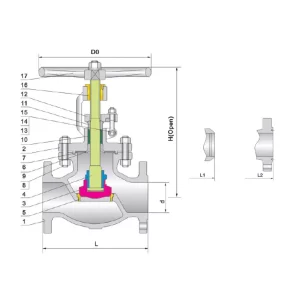
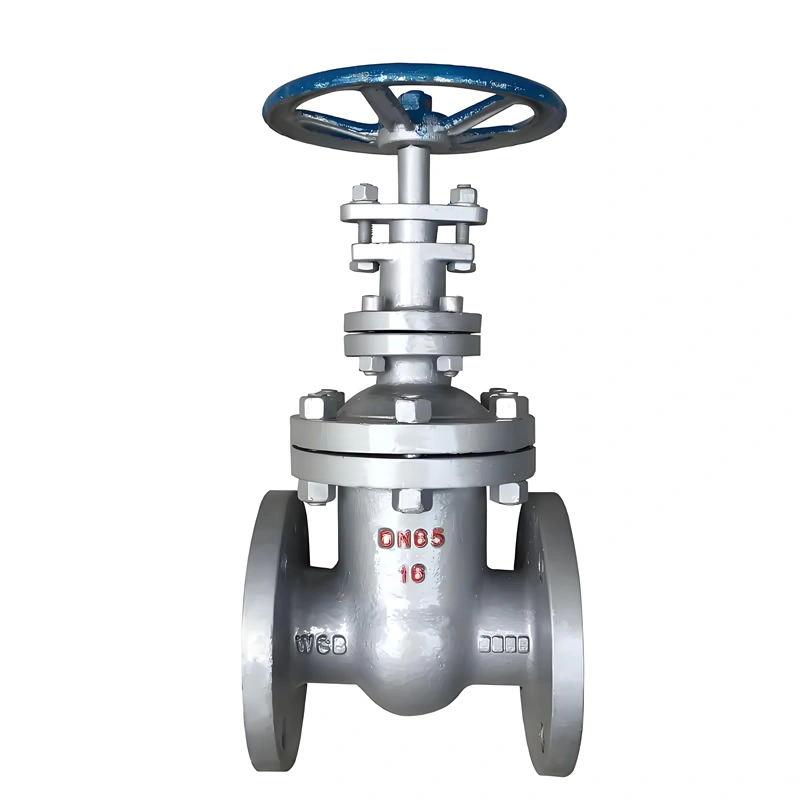
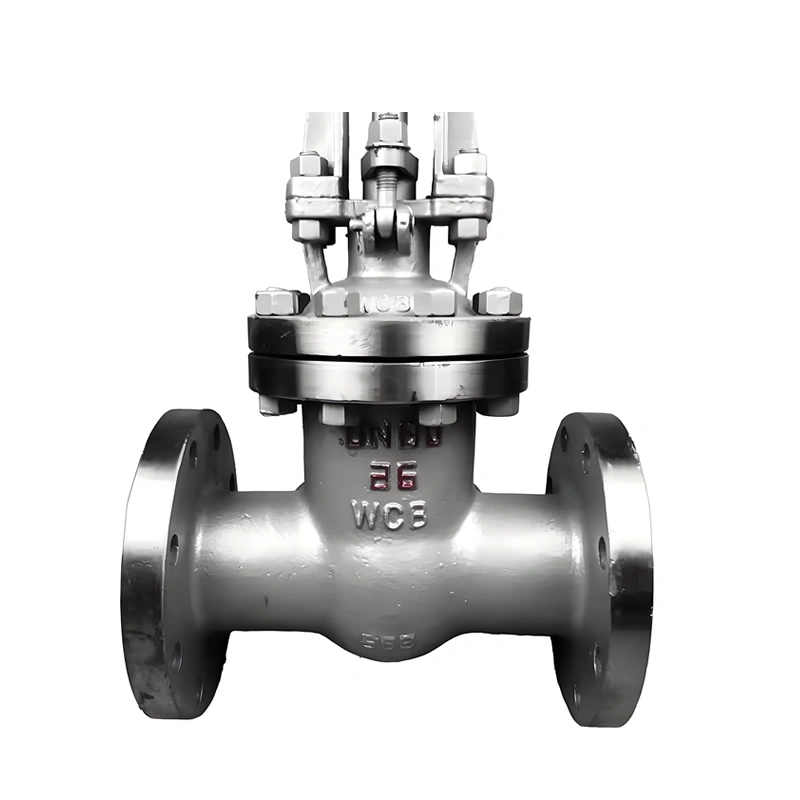
Unlike cast steel gate valves, forged steel construction eliminates internal porosity and shrinkage defects, delivering superior mechanical integrity for cyclic thermal loading. The pressure seal bonnet design replaces conventional bolted bonnet structures for high-pressure classes, leveraging internal line pressure to energize the bonnet gasket seal. This self-sealing mechanism is paired with a solid or flexible wedge gate, which provides tight metal-to-metal seating when fully closed, making the assembly suitable for isolation duty rather than throttling service. This article covers design principles, material selection, technical performance, industry compliance, application scenarios, factory testing criteria, installation guidance, maintenance best practices, and lifecycle cost analysis for API 602 forged steel wedge gate valves with pressure seal bonnets.
II. Design Standards and Core Technical Scope
A. Governing Design and Manufacturing Standards
All valves are engineered and manufactured to comply with globally recognized industry standards, providing third-party verifiable compliance for EPC contractors, process engineers, and end asset owners.
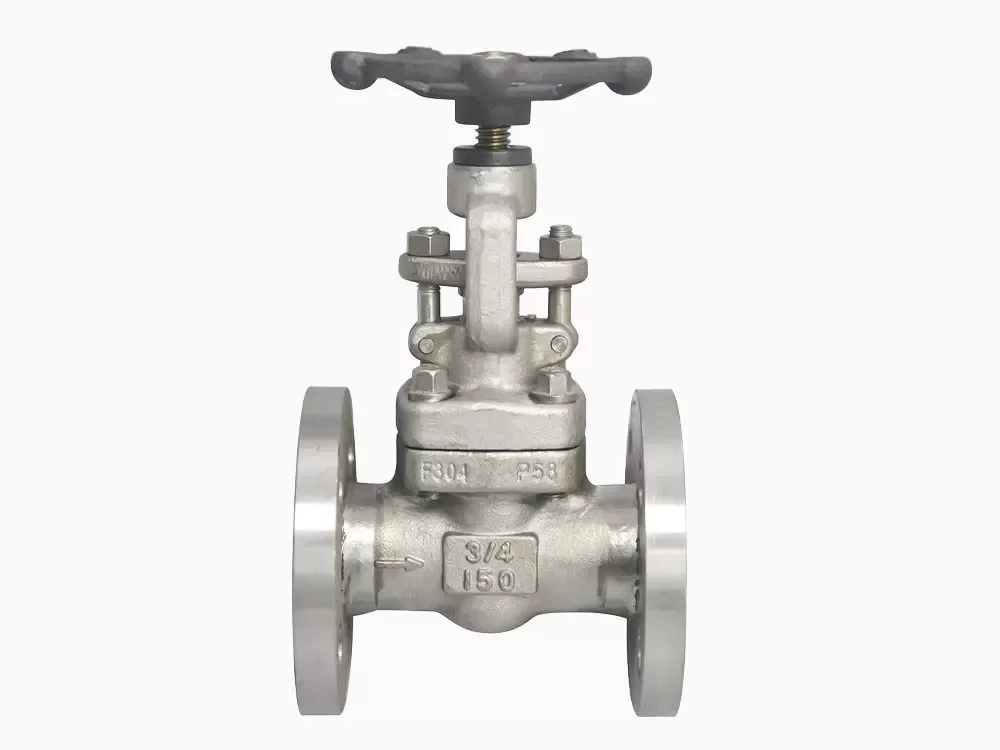
- API 602: The primary standard for compact forged steel gate, globe, and check valves up to NPS 4 (DN100) for petroleum and natural gas industries. This standard defines minimum wall thickness, stem blowout prevention, backseat construction, material requirements, and dimensional constraints for small-bore forged valves.
- ASME B16.34: Pressure-temperature rating standard for valves, establishing maximum allowable working pressure at defined temperature points for each body material and pressure class.
- ASME B16.10: Face-to-face and end-to-end dimensional standard for gate valves, ensuring interchangeability during valve replacement and piping layout design.
- ASME B16.5: Flange dimensional standard for flanged end variants, including raised face and ring type joint flange options.
- API 598: Standard for valve inspection and pressure testing, covering shell hydrostatic test, seat leakage test, backseat test, and visual inspection acceptance criteria.
- NACE MR0175 / ISO 15156: Material requirement standard for sour service applications, restricting material hardness to prevent sulfide stress cracking in environments containing hydrogen sulfide.
B. Size and Pressure-Temperature Operating Envelope
The API 602 scope restricts nominal size from NPS 1/4 (DN8) to NPS 4 (DN100). Pressure class options range from Class 150 up to Class 2500. For A105 forged carbon steel body, the maximum allowable working pressure at ambient temperature (38°C) for Class 800 is 138 bar, while at 425°C the MAWP drops to 74 bar. For alloy steel body materials such as A182 F22, continuous operating temperature can extend to 593°C for high-temperature steam and heavy hydrocarbon service.
- Operating temperature range: -29°C up to +593°C, dependent on body and trim material selection.
- End connection options: Socket weld, butt weld, threaded NPT, flanged RF or RTJ.
- Flow path: Full port design, matching internal bore to pipe ID to minimize pressure drop and allow pigging for small-bore lines where required.
- Operation type: Manual handwheel with outside screw and yoke (OS&Y) as standard configuration; pneumatic, electric, and hydraulic actuators are available as optional add-ons for remote automated isolation.
C. Pressure Seal Bonnet Working Principle
The pressure seal bonnet is the key differentiator for high-pressure, high-temperature API 602 gate valves compared with conventional bolted bonnet valves.
- A. Bolted bonnet designs rely on bolt tension to compress the gasket between body and bonnet. As internal pressure rises, separation force between body and bonnet increases, requiring heavier bolting and larger flange profiles. At elevated temperatures, bolt relaxation can lead to gradual gasket leakage over time.
- B. Pressure seal bonnet uses an inverted pressure ring and flexible graphite or metal C-ring gasket. As internal pipeline pressure increases, the medium pushes upward on the bonnet assembly, which forces the sealing ring tighter against the body and bonnet mating surfaces. Seal performance improves as line pressure rises, which is the opposite behavior of bolted bonnet structures.
- C. The pressure seal design significantly reduces bonnet bolt load requirements. Bolts only serve to clamp the bonnet assembly during valve assembly, startup, and depressurized conditions. Once the system reaches operating pressure, the process medium provides the primary sealing force. This reduces the risk of bolt fatigue under thermal cycling and minimizes fugitive emission potential.
D. Wedge Gate Sealing Mechanism
Two primary wedge gate variants are available for API 602 forged steel gate valves: solid wedge and flexible wedge.
- Solid Wedge Gate: A single-piece solid forged wedge. It delivers robust structural rigidity and excellent tight shutoff. Solid wedge designs are preferred for stable temperature, non-cyclic service such as constant-load steam lines or liquid hydrocarbon isolation. Limitation: solid wedges can seize if subjected to large thermal expansion differences between valve body and wedge, so they are not recommended for rapid temperature cycling service.
- Flexible Wedge Gate: Split wedge construction with a spring loaded or segmented wedge face. The flexible design compensates for body thermal distortion under fluctuating temperature conditions, maintaining consistent contact between wedge and seat rings. Flexible wedge gate models are the default selection for power plant auxiliary steam lines where thermal cycling is frequent.
Both wedge types use metal-to-metal seat sealing. The seat faces can be hardfaced with Stellite alloy overlay, delivering wear resistance and anti-galling properties when opening and closing under high differential pressure. Stellite hardfacing typically increases seat surface hardness to 38 HRC minimum, reducing material transfer and seat damage during repeated operation.
III. Material Selection for Body, Bonnet and Internal Trim
Material selection is the most critical engineering decision for API 602 forged steel gate valves, as material compatibility directly defines temperature limits, corrosion resistance, sour gas suitability, and service life. All forged blanks are produced via closed die forging process, followed by heat treatment and non-destructive examination to eliminate internal defects.
- Body and Bonnet Material Options
- A105 Carbon Steel: The most common general-purpose forged steel. Suitable for non-sour steam, water, oil and gas service from -29°C to 425°C. A105N normalized variant is used for improved low-temperature toughness.
- A182 F11 Chromium Molybdenum Alloy Steel: 1.25Cr-0.5Mo alloy for high-temperature steam and hydrocarbon service up to 550°C, widely used in boiler feedwater and refinery hot process lines.
- A182 F22 Chromium Molybdenum Alloy Steel: 2.25Cr-1Mo alloy with superior creep resistance, rated for continuous operation up to 593°C for high-temperature heavy oil and superheated steam service.
- A182 F304 / F316 Stainless Steel: For corrosive process media, acidic condensate, and low-temperature cryogenic service, with temperature limits adjusted based on carbon content and carbide stabilization.
- Trim Components (Wedge, Seat Rings, Stem)
- Stem material: A182 F6a martensitic stainless steel as standard, providing corrosion resistance and high tensile strength. For sour service, stem material must meet NACE hardness limits below 22 HRC to avoid sulfide stress cracking.
- Seat and wedge facing: Stellite No.6 hard overlay is standard for high-temperature abrasive service. Alternative options include cobalt-free hardfacing or chrome plating for clean non-abrasive media.
- Gasket and packing materials: Flexible graphite for standard high-temperature service; metal C-rings for pressure seal joints; PTFE or graphite composite packing for stem sealing.
Material traceability is maintained for every valve. Each forged component carries a heat number, which links to mill test reports covering chemical composition and mechanical test results including yield strength, ultimate tensile strength, and Charpy impact test data for low-temperature applications.
IV. Application Profiles in Power and Petrochemical Industries
A. Power Generation Industry Applications
Power plants rely heavily on small-bore API 602 forged steel gate valves with pressure seal bonnets for auxiliary steam systems, boiler feedwater, blowdown lines, and sampling points. Industry statistics show that roughly 41% of API 602 valve procurement volume in 2025–2026 was allocated to power generation retrofits and new build combined cycle power facilities.
- Superheated steam auxiliary piping: High pressure saturated and superheated steam lines between boiler drums, heat exchangers, and steam headers. These systems operate at pressures from 80 bar to 220 bar and temperatures between 400°C and 560°C. Pressure seal bonnet gate valves provide reliable isolation during boiler startup, shutdown, and equipment maintenance.
- Boiler blowdown and drain lines: Intermittent service with two-phase steam-water flow, thermal shock, and particulate carryover. Hardfaced wedge seats resist erosion during blowdown events.
- Feedwater isolation and sampling lines: Clean high-pressure water service, where tight shutoff prevents leakage during instrument maintenance.
- Hydrogen cooling circuit isolation for turbine generators: Sour or high-purity hydrogen service requiring NACE compliant material selection and fugitive emission packing systems.
Important note: Gate valves are designed for fully open or fully closed isolation duty. They are not suitable for throttling. Partial opening creates high velocity flow across wedge and seat surfaces, which rapidly erodes the hardfacing and leads to permanent seat leakage.
B. Petrochemical and Refinery Industry Applications
Petrochemical refineries, hydrocracking units, and gas processing plants use API 602 forged steel wedge gate valves for small-bore process lines, instrument root valves, bypass lines, and isolation for heat exchangers and reactors.
- Hydrocarbon process lines: Hot crude oil, vacuum distillate, heavy fuel oil, and naphtha service at elevated temperature and pressure.
- Sour gas and amine treating units: When H₂S is present, all wetted materials must comply with NACE MR0175. Hardness control of all forged and machined components is mandatory to avoid sulfide stress cracking failure.
- Heat exchanger bypass and drain lines: Frequent isolation during turnarounds, with cyclic heating and cooling. Flexible wedge variants are selected to accommodate thermal distortion.
- Catalyst reformer auxiliary piping: High-temperature hydrogen-rich process media, requiring low fugitive emission stem packing and strict material controls.
In petrochemical projects, EPC engineers typically specify API 602 pressure seal gate valves for critical small-bore isolation where bolted bonnet valves have demonstrated higher leakage rates after repeated thermal cycling. Asset reliability reports from major refineries show pressure seal bonnet forged gate valves achieve mean time between maintenance of 7.2 years for continuous high-temperature steam service, compared with 4.8 years for equivalent bolted bonnet forged valves under identical operating conditions.
V. Factory Inspection and Performance Testing Regime
Every API 602 forged steel gate valve undergoes a defined sequence of inspection and testing before shipment, following API 598 requirements. Inspection records are retained and can be supplied as part of the valve documentation package for end-user quality verification.
A. Material Verification and Non-Destructive Testing
- Raw forging inspection: Review of mill test certificates, heat number verification, chemical and mechanical property validation.
- Forging NDE: Ultrasonic testing (UT) of body and bonnet forgings to detect internal laminations, voids, or inclusions. Magnetic particle testing (MT) for surface crack detection on ferritic steel components after machining. Liquid penetrant testing (PT) for stainless steel trim parts.
- Dimensional inspection: Check of body wall thickness, bore diameter, flange or weld end dimensions, face-to-face dimension, stem travel, handwheel operation stroke, and seat contact geometry. All measurements must meet ASME and API dimensional tolerances.
B. Pressure Testing Sequence
All pressure tests are performed at ambient temperature, with calibrated pressure gauges traceable to national measurement standards.
- Shell Hydrostatic Test: Valve partially open, pressurized to 1.5 times the valve class maximum allowable working pressure. Hold duration is a minimum of 60 seconds for valves NPS 4 and smaller. Acceptance criteria: no visible leakage, no sweating, no permanent deformation of body or bonnet assembly.
- Seat Hydrostatic Test: Valve fully closed, pressure applied to one side of the closure member, with the opposite side vented. Test pressure is 1.1 times MAWP. The test is repeated on the opposite side. Acceptance requirement: zero visible leakage through seat joint during hold period.
- Backseat Test: Valve fully opened until stem backseat contacts the body backseat face. Pressure applied into valve cavity to verify backseat sealing capability. The backseat feature allows gland packing replacement under system pressure, which is a mandatory API 602 requirement.
- Pneumatic seat test (optional): For fugitive emission critical service, air test at 0.6 MPa can be performed to verify seat tightness, often requested for hydrogen and light hydrocarbon service.
C. Functional and Visual Inspection
- Full stroke operation test: Manual handwheel operated from fully closed to fully open position, verifying smooth stem movement, no binding, correct travel stop engagement.
- Stem packing adjustment check: Confirm uniform packing compression without excessive stem friction.
- Visual inspection: Surface finish verification, marking check, paint or coating inspection, end protection cap fitting.
- Documentation package compilation: Material MTC, NDE reports, test certificates, dimensional data, operation and maintenance manual.
VI. Installation Guidance for High-Temperature Pipeline Systems
Proper installation directly impacts valve sealing performance and service life. Many field leakage events are traced to incorrect piping alignment, thermal stress transfer, or improper torque procedures, rather than valve manufacturing defects. A. Piping alignment and support
- The valve must not absorb external piping loads from misalignment. Piping forces and moments applied to valve flanges or weld ends must stay within ASME B31.3 process piping allowable limits. Excessive bending stress can distort the valve body and cause seat leakage.
- Install pipe supports near the valve to reduce dead weight and thermal expansion loads transferred to the valve body. Avoid using the valve as an anchor point for piping. B. Welding procedure for welded end valves
- For socket weld and butt weld end API 602 forged gate valves, welding procedure qualification is required. Heat input must be controlled to prevent overheating of valve internals and damage to seat hardfacing or packing. Some applications require removing internals before welding to protect trim.
- After welding, post-weld heat treatment may be needed for alloy steel body materials to relieve welding residual stress. The heat treatment cycle must not exceed temperature limits of stem packing and gaskets. C. Valve position during installation
- Install the valve with stem in vertical orientation, handwheel on top as preferred arrangement. Horizontal stem installation is permitted but increases packing wear rate and may require more frequent packing maintenance.
- Confirm flow direction: Wedge gate valves are bidirectional for shutoff service, but flow direction should match the project piping drawing to simplify future troubleshooting. D. Pre-commissioning preparation
- Before system pressure test, fully open the valve to allow hydrotest media to pass through the valve bore. Never perform system hydrotest with valve closed, unless project design explicitly approves seat exposure to full hydrotest pressure.
- Flush the pipeline thoroughly before startup to remove welding slag, metal chips, sand, and construction debris. Solid particles trapped between wedge and seat will scratch the hardfaced sealing surfaces and permanently degrade shutoff performance.
VII. Operation, Maintenance and Troubleshooting
A. Operating Best Practices
- Operation cycle: Fully open or fully close the valve. Do not leave the wedge in intermediate position for flow regulation. Partial opening leads to high velocity flow erosion and seat damage.
- Handwheel operation: Apply handwheel force only by hand. Do not use cheater bars, sledgehammers, or impact tools to turn the handwheel. Excessive torque can bend the stem, crack the wedge, or damage seat faces. If the valve is hard to turn, investigate root cause rather than applying extra force.
- Startup and thermal ramp: For high-temperature steam systems, increase system temperature gradually to allow uniform thermal expansion of valve body, wedge, stem and bonnet components. Rapid heat-up creates differential thermal expansion, which can cause binding or temporary seat leakage until temperature stabilizes.
- Backseat usage: Only fully open the valve to engage backseat when packing replacement is required under pressure. Do not leave the valve continuously operating in backseat engaged position long term, as this can wear the backseat sealing surface.
B. Preventive Maintenance Schedule
Maintenance intervals are determined by operating temperature, media corrosivity, cycling frequency, and fugitive emission requirements. A baseline maintenance plan for continuous high-temperature steam service is listed below:
- Quarterly external inspection: Visual check for stem packing leakage, bonnet gasket leakage, corrosion, handwheel damage, and stem position indication.
- Annual functional stroke test: Fully open and close valve, verify smooth operation, check stem travel and sealing condition while system is depressurized if possible.
- 3-year major inspection: Remove valve from line, disassemble, inspect wedge, seat rings, stem surface condition, packing, pressure seal gasket, replace worn components, re-test before reinstallation.
- For sour gas and hydrogen service, reduce full inspection interval to 2 years, with additional hardness spot checks on wetted components.
C. Common Field Failure Modes and Root Cause Analysis
- External leakage at pressure seal bonnet joint
- Root causes: Incorrect gasket installation, gasket damage during assembly, thermal cycling fatigue of seal ring, foreign debris trapped on sealing surface.
- Remediation: Depressurize and cool system completely before disassembly, inspect mating surfaces for scratches, replace pressure seal gasket with new matching material, follow specified bolt torque sequence.
- Stem packing fugitive emission leakage
- Root causes: Packing aging under high temperature, improper packing compression, stem surface scoring, thermal cycling.
- Remediation: Tighten gland nuts incrementally while observing leakage reduction; if tightening fails, isolate valve and repack stem with high-temperature graphite packing set.
- Internal seat leakage after operation
- Root causes: Particulate erosion of seat hardfacing, thermal binding of wedge, foreign object trapped between wedge and seat, excessive differential pressure during valve closure.
- Remediation: Remove valve for disassembly, inspect seat and wedge faces, refinish or replace trim components as required.
- Stem binding, difficult handwheel operation
- Root causes: Insufficient lubrication, thermal distortion, stem corrosion, bent stem from over-torquing, packing over-compression.
- Remediation: Verify valve is fully depressurized and cooled; inspect stem surface, adjust gland packing torque, apply suitable high-temperature stem lubricant.
VIII. Lifecycle Cost and Value Comparison
Many project stakeholders focus only on upfront purchase cost during valve selection, but total cost of ownership over the asset lifecycle reveals the economic advantage of API 602 forged steel pressure seal wedge gate valves for critical high-temperature isolation service.
- Upfront capital cost: API 602 forged pressure seal gate valves carry higher purchase price than standard bolted bonnet forged gate valves, approximately 27–35% higher for equivalent size and pressure class, due to complex pressure seal machining and premium gasket components.
- Installation cost: Pressure seal bonnet valves require fewer high-strength bonnet bolts, reducing bolt tightening labor during assembly. Welding and alignment costs remain comparable to standard forged gate valves of the same size.
- Operating and maintenance cost: Lower fugitive emission rates, reduced frequency of bonnet retorque after thermal cycles, and longer service intervals reduce maintenance labor, spare parts consumption, and unplanned downtime. For a power plant steam auxiliary valve operating continuously at 480°C, lifecycle cost analysis over a 20-year service window shows pressure seal bonnet design reduces total ownership cost by roughly 19% compared with bolted bonnet forged gate valves, after accounting for maintenance, emission monitoring, and downtime risk.
- Risk cost reduction: Uncontrolled leakage on high-temperature steam or hydrocarbon piping creates safety hazards, environmental release risk, and regulatory penalties. Metal-to-metal wedge sealing and self-energizing pressure seal bonnet reduce the probability of unplanned leakage events, lowering insurance and compliance risk for asset operators.
IX. Selection Checklist for Project Engineers
When specifying API 602 forged steel gate valve with pressure seal and wedge gate design for power or petrochemical high-temperature pipeline isolation, engineers should complete this checklist to avoid specification errors:
- Confirm nominal size matches piping NPS, API 602 limits to NPS 4 maximum.
- Define pressure class and design temperature, then verify ASME B16.34 pressure-temperature rating for selected body material.
- Identify process media: steam, hydrocarbon, H₂S sour service, hydrogen, corrosive condensate, to define material requirements and NACE compliance.
- Select wedge type: flexible wedge for thermal cycling service; solid wedge for stable temperature non-cyclic service.
- Select end connection type: socket weld, butt weld, threaded or flanged with RF/RTJ face.
- Specify trim hardfacing requirement: Stellite overlay for erosive or high differential pressure service.
- Confirm actuation type: manual OS&Y handwheel, electric actuator, pneumatic actuator.
- Define testing requirements: standard API 598 test or supplementary pneumatic seat test for low emission service.
- Document environmental conditions: outdoor installation, low ambient temperature, salt atmosphere for coastal petrochemical facilities.
- Verify documentation requirements: MTC, NDE reports, material traceability, test certificates, CE marking or other regional compliance documentation as required by project specification.
API 602 forged steel gate valves built with pressure seal bonnet and wedge gate configurations remain a trusted isolation solution for small-bore high-temperature pipelines in power generation and petrochemical facilities. The forged body construction eliminates casting defects, the pressure seal bonnet delivers improved sealing performance under rising internal pressure, and wedge gate geometry provides reliable metal-to-metal tight shutoff for on-off isolation duty.
The 2026 first-half global procurement trend reflects increased demand for this valve category as aging power plants and refineries execute capital retrofit programs to enhance safety and reduce fugitive emissions. Successful application depends on correct material selection, wedge type matching to thermal cycling conditions, strict factory testing, careful installation control, and adherence to preventive maintenance schedules. When properly specified and maintained, these valves deliver decades of stable isolation performance in some of the most demanding high-temperature industrial piping systems. Engineers and EPC teams should always differentiate isolation gate valve service from throttling applications, and avoid specifying wedge gate valves for continuous partial flow control where seat erosion will rapidly degrade valve performance.