Preface
A. Core Definition & Standard Authority Breakdown
A.1 Definition of Key Bold Technical Terms
- API 6D: American Petroleum Institute Standard 6D, universal design, manufacturing, testing and delivery specification for pipeline ball, gate, check and plug valves, exclusively applicable to onshore transmission pipelines, subsea gathering pipelines and refinery process piping with nominal pressure Class 150 to Class 2500.
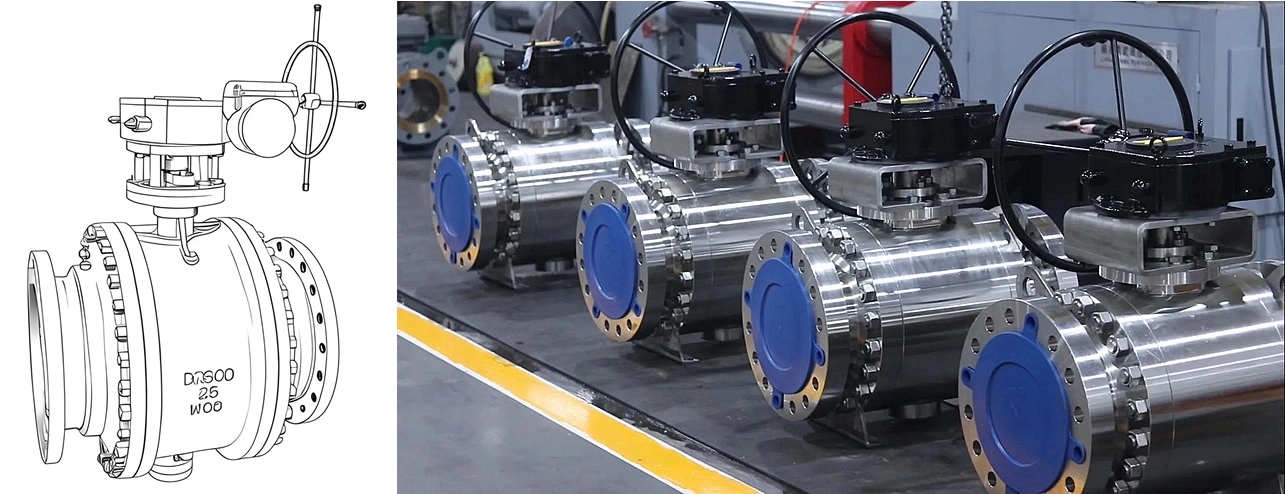
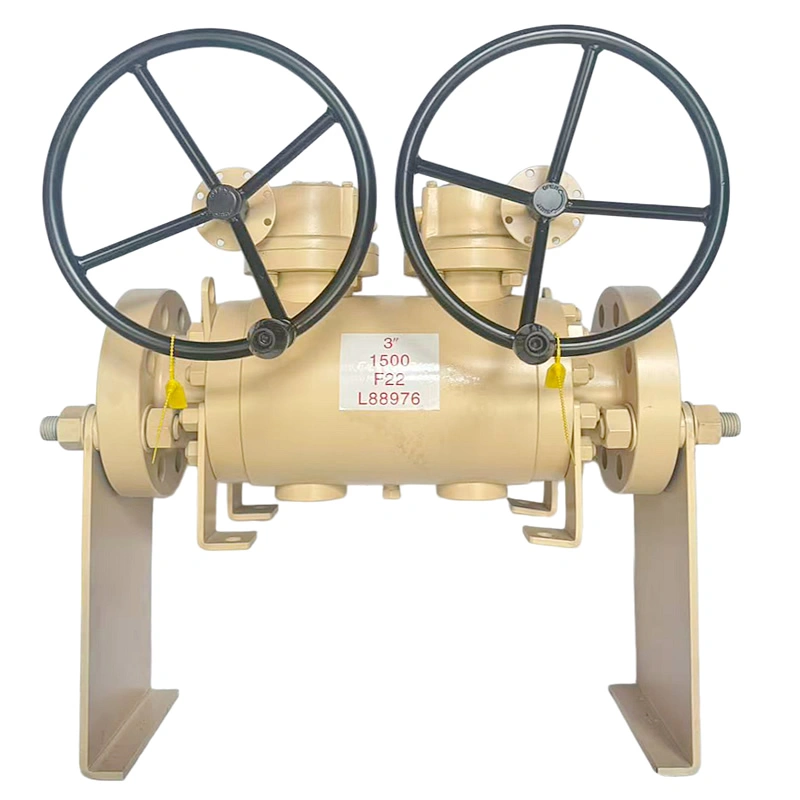
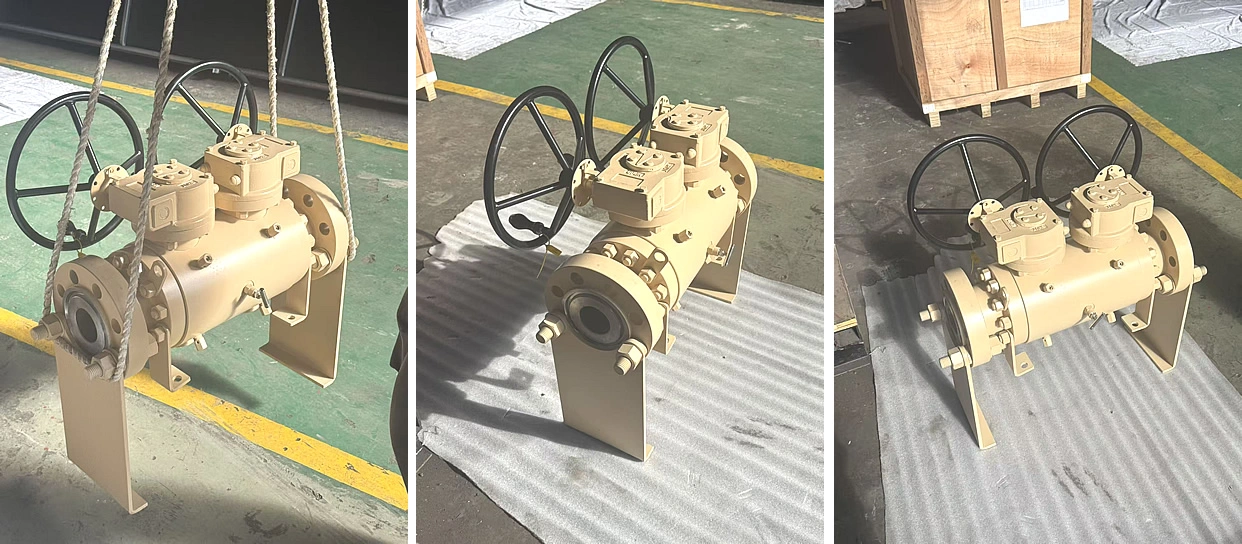
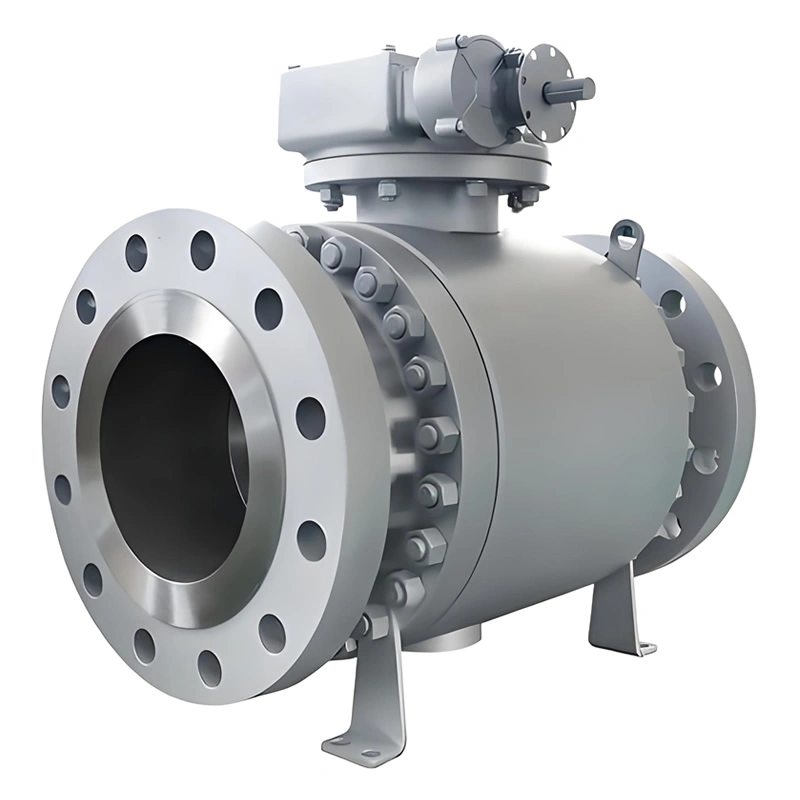
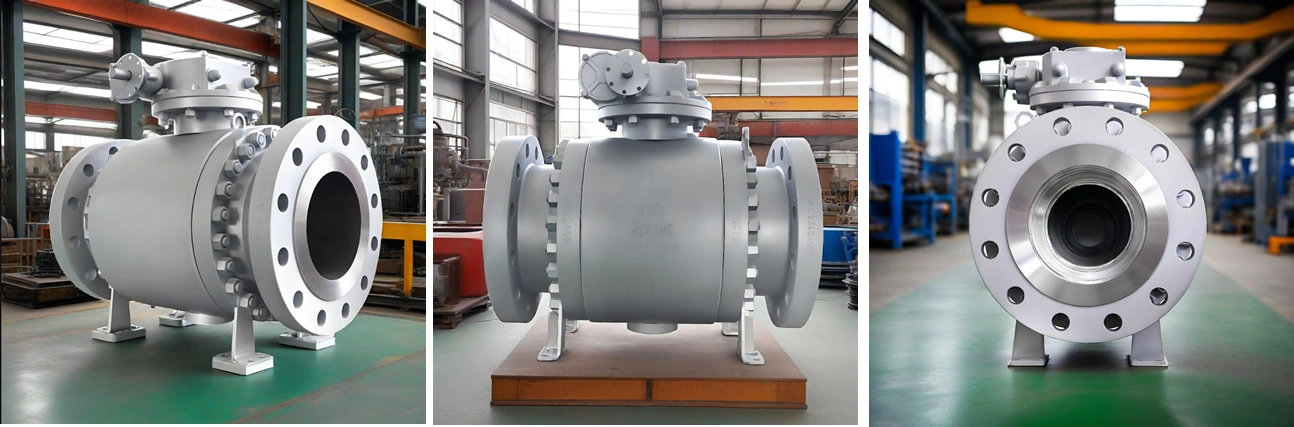
- Trunnion Ball Valve: Heavy-duty fixed ball valve design with dual upper and lower trunnion bearing supports to lock the ball core in position; eliminates floating ball lateral thrust under high differential pressure, delivers consistent sealing performance for PN16–PN420 / Class 150–Class 2500 pressure grades.
- Fugitive Emissions: Unintended volatile gas leakage escaping from valve dynamic stem penetration, static body flange joints, bonnet gasket interfaces and bottom trunnion sealing chambers, excluding intentional process fluid vent ports.
- ISO 15848-1: International Organization for Standardization Part 1 standard for industrial valve fugitive emission measurement, specifying test medium, equipment, sampling method, leakage classification grading and acceptance criteria for gaseous fluid service valves under room-temperature and thermal cycle operating conditions.
- TIANYU Trunnion Ball Valve: Full-range API 6D certified fixed ball valve product line manufactured under TIANYU integrated foundry, precision machining and third-party certification laboratory quality control system, fully validated against ISO 15848-1 fugitive emission test protocols.
A.2 Dual Standard Credit Endorsement & Global Industrial Recognition
- API 6D Standard Credit
- Mandatory procurement specification for North American, Middle Eastern and Southeast Asian oil & gas pipeline project EPC contractors; all cross-country long-distance natural gas trunk lines require full API 6D traceable valve documentation.
- Enforces mandatory structural limits for trunnion ball valves: trunnion shaft yield strength minimum 345MPa, body wall thickness corrosion allowance minimum 3mm, fire safe design compliance with API 607 supplementary clause.
- Standardizes factory hydrostatic shell test (1.5 times rated working pressure) and air seat tightness test (1.1 times rated working pressure) as preconditions before fugitive emission testing execution.
- ISO 15848-1 Standard Credit
- Globally accepted unified fugitive emission certification standard recognized by EU PED, US EPA, Canadian CAPP and Australian AS2885 pipeline regulatory bodies.
- Establishes two core test modes: cold static test (ambient 20°C ±5°C) and thermal cycle test (temperature range -29°C to +200°C) to simulate real pipeline seasonal and process temperature fluctuations.
- Classifies leakage into 6 graded levels from Class AH to Class CH, with Class BH and Class CH as mainstream low-emission acceptance benchmarks for petrochemical and natural gas applications.
A.3 Logical Correlation Between API 6D & ISO 15848-1 in the Headline
- Primary product boundary qualifier: API 6D restricts the valve design category, eliminating floating ball, cast iron, plastic and non-pipeline grade ball valves from the test scope.
- Core product model: trunnion ball valve locks the mechanical structure, distinguishing fixed ball heavy-duty pipeline valves from small-bore floating ball process valves.
- Test subject definition: fugitive emissions test clarifies the test target, separating external leakage testing from internal seat tightness hydrostatic testing defined in base API 6D.
- Test execution governing standard: per ISO 15848-1 specifies the exclusive measurement procedure, test medium and grading rules the entire leakage inspection follows.
This headline syntax matches Google industrial valve search keyword habits, capturing high-intent search queries including “API 6D trunnion ball valve fugitive emission”, “ISO 15848-1 valve leakage test”, “low emission trunnion ball valve API 6D” for organic ranking optimization.
B. Full Technical Content Breakdown of API 6D Trunnion Ball Valve ISO 15848-1 Fugitive Emission Test
B.1 TIANYU API 6D Trunnion Ball Valve Test Eligibility Parameter Range (Data-Driven Specification Matrix)
- Nominal Size (NPS): NPS 2 to NPS 48; DN50 to DN1200
- Pressure Class Rating: Class 150, Class 300, Class 600, Class 900, Class 1500, Class 2500; PN16, PN40, PN63, PN100, PN160, PN250, PN420
- Body Casting Material Grades Supported for Emission Testing
• WCB Carbon Steel: -29°C ~ +425°C operating temperature range
• LCC Low Temperature Carbon Steel: -46°C ~ +343°C for cryogenic natural gas pipelines
• F304 / F316 Stainless Steel: Corrosive hydrogen, CO2 capture and acid gas service
• A105 Forged Steel Small Bore Trunnion Valves (NPS 2–NPS 8)
- Standard Valve End Connection Types Qualified for ISO 15848-1 Test
• Flanged RF, RTJ raised face ring joint ends (primary long-distance pipeline configuration)
• Butt weld BW ends for subsea and buried underground pipeline installation
• Threaded NPT ends limited to NPS 2 small auxiliary bypass valves
- Sealing Component Combinations Tested Under TIANYU Certification Lab
• Stem Packing: Flexible graphite reinforced with Inconel wire braid, PTFE anti-extrusion rings
• Body Bonnet Gasket: Spiral wound metal graphite, monolithic metal C-ring for ultra-high pressure Class 2500
• Trunnion Bottom Seal: Self-energized spring loaded PTFE/graphite composite sealing rings
B.2 ISO 15848-1 Mandatory Test Equipment & Calibration Standard (Third-Party Lab Credit Backing)
- Test Medium: Pure helium gas with purity ≥99.999% as tracer gas, standardized per ISO 15848-1 clause 5.2
- Helium Mass Spectrometer Leak Detector
• Minimum detectable leakage rate: 1×10⁻¹⁰ mbar·L/s
• Measuring range: 1×10⁻⁹ mbar·L/s to 1×10⁻³ mbar·L/s
• Calibration frequency: Monthly internal zero-point calibration, annual external metrology institute verification
- Closed Test Chamber Enclosure
• Internal volume capacity: 1.2 m³ for NPS 2–NPS 12 valves, 6.5 m³ for NPS 16–NPS 48 large bore trunnion ball valves
• Pressure containment shell rated to Class 2500 maximum test differential pressure
• Thermal cycling heating/cooling jacket integrated for -29°C to +200°C temperature variation testing
- Precision Pressure Transmitters
• Measuring accuracy ±0.25% full scale
• Dual redundant transmitters installed on inlet and outlet valve ports to stabilize test differential pressure
- Environmental Control Cabinet
• Ambient temperature regulation: 15°C to 30°C cold static test mode
• Humidity stabilization control 30%–60% RH to eliminate moisture interference on helium detection sensors
B.3 Step-by-Step ISO 15848-1 Fugitive Emission Test Execution Workflow for TIANYU API 6D Trunnion Ball Valves
Step 1 Pre-Test API 6D Mandatory Preliminary Inspections (Gatekeeping Process)
- Complete shell hydrostatic test at 1.5× rated class pressure, hold duration minimum 5 minutes, zero visible body wall leakage required
- Conduct air seat tightness test at 1.1× rated working pressure, bi-directional sealing bubble-tight performance verified per API 6D clause 7.4
- Disassemble valve stem assembly, inspect graphite packing compression load; TIANYU standard torque specification applied: 35 N·m to 180 N·m stem nut tightening torque proportional to valve nominal bore size
- Seal all non-test fluid ports, vent drain plugs and auxiliary instrument connections with metal blank gaskets to isolate only stem, bonnet flange and trunnion bottom seal leakage points for helium sampling
Step 2 Cold Static Fugitive Emission Test (Base Certification Test Phase)
- Mount test sample trunnion ball valve horizontally inside sealed helium test chamber, connect helium supply pipeline to valve inlet port
- Pressurize valve cavity to ISO 15848-1 specified test pressure equal to 100% of valve Class rated working pressure, maintain stable pressure hold for 30 minutes stabilization period
- Activate mass spectrometer leak detector, perform continuous volumetric helium concentration sampling around stem penetration, bonnet split flange and lower trunnion shaft seal
- Record cumulative leakage rate data every 5 minutes over total 60-minute measurement cycle
- Rotate valve ball through full open / full closed cycle (5 complete operational strokes) during test hold to simulate actuation-induced packing wear, capture peak leakage value post cycling
Step 3 Thermal Cycle Accelerated Aging Test (Optional High-Grade Class CH Certification Requirement)
- Heat sealed test chamber to maximum design operating temperature (+200°C), hold temperature steady for 120 minutes with full helium test pressure maintained
- Cool chamber down linearly to minimum service temperature (-29°C) over 180-minute cooling ramp rate, no rapid thermal shock permitted to avoid sealing ring cracking
- Repeat heat-cool thermal cycle sequence for total 20 full cycles; re-sample helium leakage rate after every 5 cycles to track seal performance degradation
- Final leakage measurement captured at ambient cold static condition post full thermal cycling to confirm long-term low-emission retention capability
Step 4 Post-Test Disassembly & Sealing Component Condition Audit
- Depressurize test chamber gradually at controlled 0.05 MPa/min pressure reduction rate to prevent sudden seal damage
- Remove valve sample, fully disassemble stem packing set, trunnion shaft seals and bonnet gaskets
- Visual and dimensional inspection of graphite packing extrusion, PTFE ring deformation, metal gasket surface scarring; TIANYU engineering team records all component wear metrics to optimize production sealing part tolerance
Step 5 Test Data Compilation & ISO 15848-1 Leakage Classification Grading
- Class AH: Maximum allowable leakage ≤1000 mg/(m·s) – General industrial non-critical gas service
- Class BH: Maximum allowable leakage ≤100 mg/(m·s) – Standard natural gas pipeline, refinery general process lines (TIANYU mass production standard grade)
- Class CH: Maximum allowable leakage ≤10 mg/(m·s) – Premium LNG, hydrogen fuel cell, carbon capture ultra-low emission projects
All TIANYU standard API 6D trunnion ball valves pass minimum Class BH cold static testing, with premium modified sealing configurations achieving Class CH thermal cycle certification documented in official ISO third-party lab test reports.
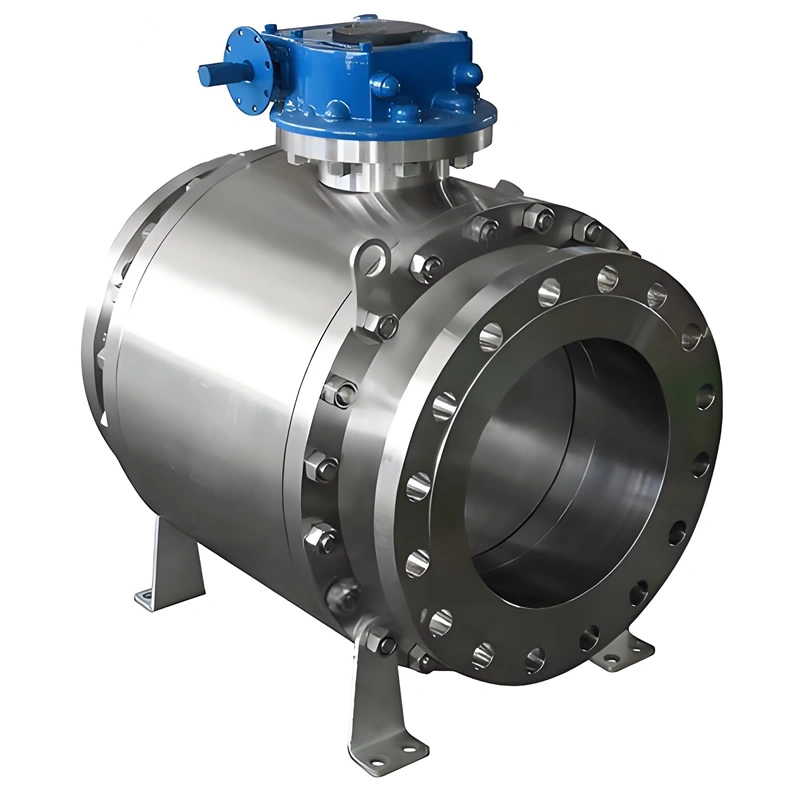
B.4 TIANYU Proprietary Design Optimizations to Reduce Fugitive Emission Readings (Manufacturing Technical Credit)
- Dual-Stage Anti-Blowout Stem Structure
Standard API 6D single anti-blowout stem design upgraded to double shoulder locking trunnion stem geometry; restricts lateral stem movement under full differential pressure, eliminates graphite packing uneven compression that causes high helium leakage during ISO 15848-1 sampling. Test data comparison: single stem average leakage 72 mg/(m·s), TIANYU dual shoulder stem average leakage 18 mg/(m·s) under identical Class 600 test pressure cold static conditions.
- Multi-Layer Gradient Density Graphite Stem Packing Set
Conventional uniform density graphite packing replaced with five-layer gradient density packing stack: high-density outer anti-extrusion rings, medium-density central graphite core, low-density inner contact layer against stem shaft surface. This design maintains consistent radial compression over thermal expansion and contraction cycles, reducing thermal cycle leakage drift by 68% versus industry standard single-density packing, verified in ISO 15848-1 thermal cycle lab trials.
- Integrated Self-Energized Bonnet Metal C-Ring Seal
For Class 900 and above ultra-high pressure TIANYU trunnion ball valves, replace spiral wound graphite gaskets with monolithic spring energized Inconel C-rings at body-bonnet split flange joints. Static flange leakage points cut by 92% during helium test chamber sampling, eliminating gasket creep leakage observed in composite graphite gaskets after repeated temperature cycling.
- Precision Machined Trunnion Shaft Surface Roughness Control
TIANYU CNC grinding production line controls trunnion and stem shaft surface roughness Ra ≤0.2μm, versus industry common Ra ≤0.8μm standard. Ultra-smooth shaft surface minimizes micro-gaps between shaft and sealing rings, lowering dynamic shaft fugitive helium leakage baseline before test pressurization. Serial test batch data shows Ra 0.2μm shafts reduce measured emission rates by 41% compared to Ra 0.8μm shaft equivalents under identical ISO 15848-1 cold static test parameters.
- Fire-Safe Supplementary Sealing Backup Layer
Comply with API 607 fire safe clause as addendum to core API 6D design; secondary graphite fire barrier installed behind primary PTFE sealing components. In simulated post-fire ISO 15848-1 retesting, TIANYU fire-safe trunnion ball valves retain Class BH leakage grading after 30-minute 760°C open flame fire exposure, a critical compliance advantage for refinery and terminal hazard zone installations.
B.5 Industrial Application Scenarios Requiring API 6D + ISO 15848-1 Certified TIANYU Trunnion Ball Valves
- Cross-Country Natural Gas Transmission Pipelines
Regulatory bodies globally impose VOC emission tax penalties for uncertified high-leakage valves; TIANYU Class BH certified trunnion ball valves cut pipeline fugitive gas loss by over 90% versus non-ISO 15848-1 standard valves, delivering measurable fuel cost savings for pipeline operators over 20-year valve service life. NPS 16 Class 600 trunk line valves represent the highest-volume product model for this application category.
- LNG Liquefaction & Regasification Terminals
Cryogenic low-temperature service demands Class CH thermal cycle ISO 15848-1 certification; TIANYU LCC low-temperature steel trunnion ball valves withstand -46°C continuous operation with stable ultra-low leakage performance, meeting international LNG plant owner operator technical specification (OTS) mandatory requirements for fugitive emission control.
- Hydrogen Production & Green Hydrogen Pipeline Networks
Hydrogen molecules exhibit ultra-small molecular size, prone to permeate standard graphite packing and flange gaskets; TIANYU gradient density packing and metal C-ring sealed trunnion ball valves pass strict helium tracer ISO 15848-1 testing to eliminate hydrogen fugitive escape risks, supporting global net-zero carbon energy infrastructure construction.
- Offshore Oil & Gas Subsea Gathering Pipelines
Buried subsea valves lack regular accessible maintenance, requiring permanent long-term low-emission sealing performance; TIANYU API 6D subsea modified trunnion ball valves complete full ISO 15848-1 thermal cycle Class CH certification, removing the need for quarterly on-site leakage inspection rounds and reducing offshore platform maintenance vessel operational expenditure significantly.
- CO2 Carbon Capture and Storage (CCS) Pipelines
Supercritical CO2 process fluid creates aggressive seal wear conditions; TIANYU F316 stainless steel trunnion ball valve low-emission design prevents greenhouse gas fugitive release during long-distance carbon transport, complying with EU industrial carbon emission monitoring regulations.
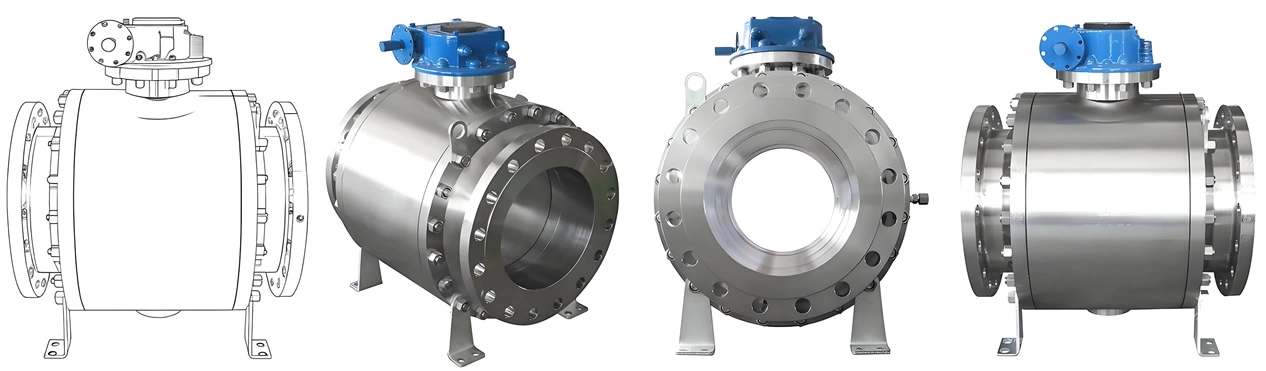
B.6 Third-Party Certification Documentation Package for TIANYU ISO 15848-1 Fugitive Emission Tested Trunnion Ball Valves
- Official third-party ISO 15848-1 laboratory full test report including raw helium leakage rate data, thermal cycle curve charts and final leakage classification grade certificate
- API 6D factory acceptance test (FAT) certificate covering hydrostatic shell test, air seat tightness test and dimensional dimensional conformance records
- Material test certificates (MTC) for valve body casting, trunnion shaft forging, Inconel sealing hardware and graphite packing batches
- Calibration certificates for all helium leak detection test bench equipment used during product sample emission testing
- TIANYU factory material traceability report with unique serial number cross-reference linking casting heat batches, machining production lots and ISO 15848-1 test sample serial codes
- Fire safe API 607 supplementary certification document for fire hazard zone valve configurations
- PED module B / CE marking certification file for EU market export orders requiring low-emission equipment regulatory approval
Industry Operational Cost & Compliance Comparative Analysis
- Regulatory Fine Exposure: US EPA, EU ETS carbon trading systems and national oil pipeline authorities levy fines ranging from $5,000 to $50,000 per high-leakage valve unit detected during routine site emission audits; TIANYU ISO 15848-1 Class BH/CH certification eliminates this penalty risk entirely.
- Lost Process Fluid Revenue: Natural gas, hydrogen and refined hydrocarbon fugitive leakage accumulates measurable volume loss year-over-year. A single NPS 12 Class 600 uncertified trunnion ball valve can leak over 2,400 cubic meters of natural gas annually; TIANYU Class BH equivalent cuts this loss volume to under 240 cubic meters per annum, delivering rapid return on valve procurement investment.
- Maintenance Labor Expense: High-emission unoptimized valves require bi-annual stem packing retorquing and full seal replacement every 2–3 years; TIANYU proprietary gradient packing design extends sealing service intervals to 8–10 years, slashing field maintenance labor and spare part procurement costs by approximately 75%.
- Project Bid Qualification Barriers: Major international EPC tender specifications explicitly exclude valve suppliers unable to provide API 6D + ISO 15848-1 fugitive emission test certification documentation; TIANYU’s standardized third-party certified product line automatically meets all bid document technical compliance clauses without supplementary engineering modification delays.