Offshore oil and gas platforms operate in one of the harshest industrial environments—constant salt spray (35,000 ppm chloride concentration), extreme pressure (up to 42 MPa), temperature fluctuations (-20°C to 150°C), and limited operational space. Valves, as critical flow control components, face unique maintenance challenges: traditional side-entry or bottom-entry ball valves require full pipeline disassembly for internal repairs, leading to costly downtime (average \(250,000–\)500,000 per day for offshore platforms) and safety risks during high-sea operations.
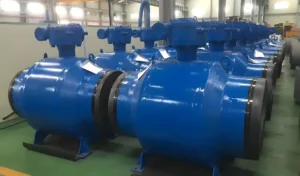
Top entry ball valves (TEBVs) address these pain points through their innovative design: internal components (ball, seat, stem) can be removed and reinstalled from the top of the valve without disconnecting it from the pipeline. This article explores the technical design, maintenance advantages, compliance with offshore standards, real-world performance data, and TIANYU’s customized solutions for offshore platforms—proving why TEBVs have become the preferred choice for critical service in offshore environments.
I. Operating Conditions of Offshore Platforms and Valve Maintenance Pain Points
Offshore platforms demand valves that balance reliability, durability, and maintainability. Understanding the extreme operating conditions and associated maintenance challenges is critical to appreciating the value of top entry designs.
A. Extreme Environmental and Operational Conditions
- Corrosion Stress: Seawater’s high chloride content (35,000 ± 5,000 ppm) causes pitting, crevice, and stress corrosion cracking (SCC) in carbon steel and even standard stainless steel. Offshore valves must resist this corrosion for 10–15 years (typical platform service life) without major overhauls.
- Pressure and Temperature Fluctuations: Subsea wellheads and production lines operate at 10–42 MPa (PN100–PN420) and temperatures ranging from -20°C (Arctic offshore) to 150°C (high-temperature well streams). Rapid pressure spikes (from pump startups or well testing) and thermal cycling test valve structural integrity.
- Space and Access Limitations: Offshore platforms have compact layouts—valves are often installed in confined spaces (e.g., skid-mounted modules, subsea manifolds) with limited overhead clearance. Traditional side-entry valves require 2–3x their body length for disassembly, making maintenance impossible in tight quarters.
- Safety Risks: Maintenance at sea involves working at heights, in inclement weather, and near flammable hydrocarbons. Every hour of maintenance increases the risk of accidents (e.g., slips, falls, gas leaks).
B. Maintenance Pain Points of Traditional Valve Designs
- Side-Entry Ball Valves: To access internal components, the valve must be disconnected from the pipeline, lifted by cranes (requiring additional space and equipment), and disassembled—taking 24–48 hours per valve. For subsea valves, this requires remotely operated vehicles (ROVs) and specialized diving teams, increasing costs by 300–500%.
- Bottom-Entry Ball Valves: While offering partial internal access, the bottom-entry design is prone to leakage at the bottom flange—especially after multiple maintenance cycles. The ball and seat can only be removed after draining the pipeline, extending downtime.
- High Downtime Costs: Offshore platform downtime averages \(250,000 per day for small platforms and \)500,000+ for large production facilities. A single side-entry valve maintenance can take 3–5 days, resulting in \(750,000–\)2.5 million in lost production.
- Component Degradation: Traditional valves often suffer from seat wear, stem packing leakage, and ball corrosion after 3–5 years. Replacing these components requires full disassembly, accelerating pipeline wear and increasing the risk of misalignment during reinstallation.
II. Structural Design of Top Entry Ball Valves: Enabling Maintenance Efficiency
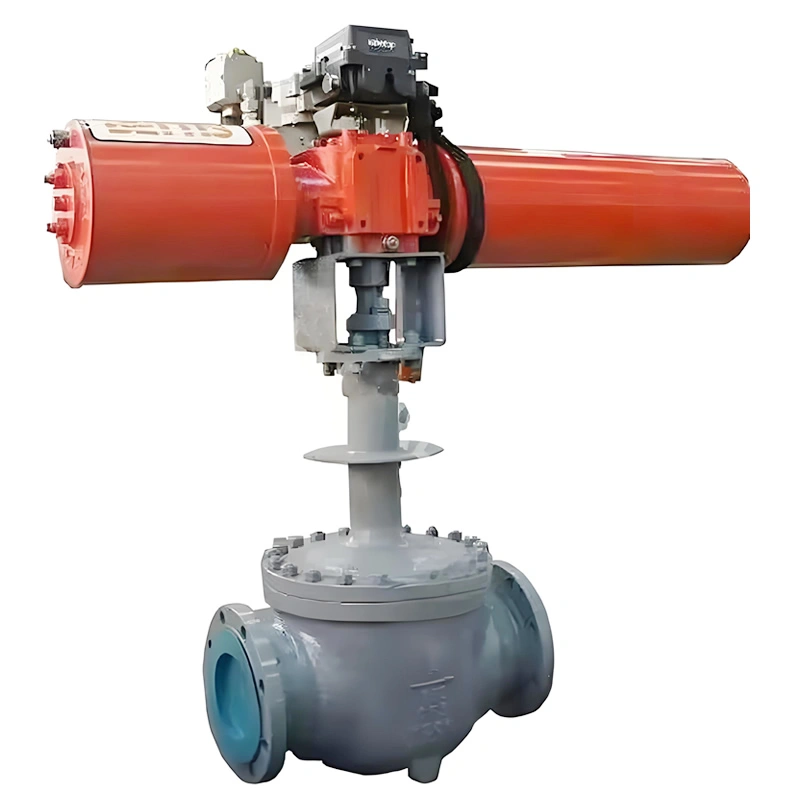
Top entry ball valves’ unique design is engineered to eliminate the limitations of traditional valves. Their structure prioritizes internal access, structural integrity, and compatibility with offshore constraints—all while maintaining the tight sealing and pressure resistance required for critical service.
A. Core Structural Components
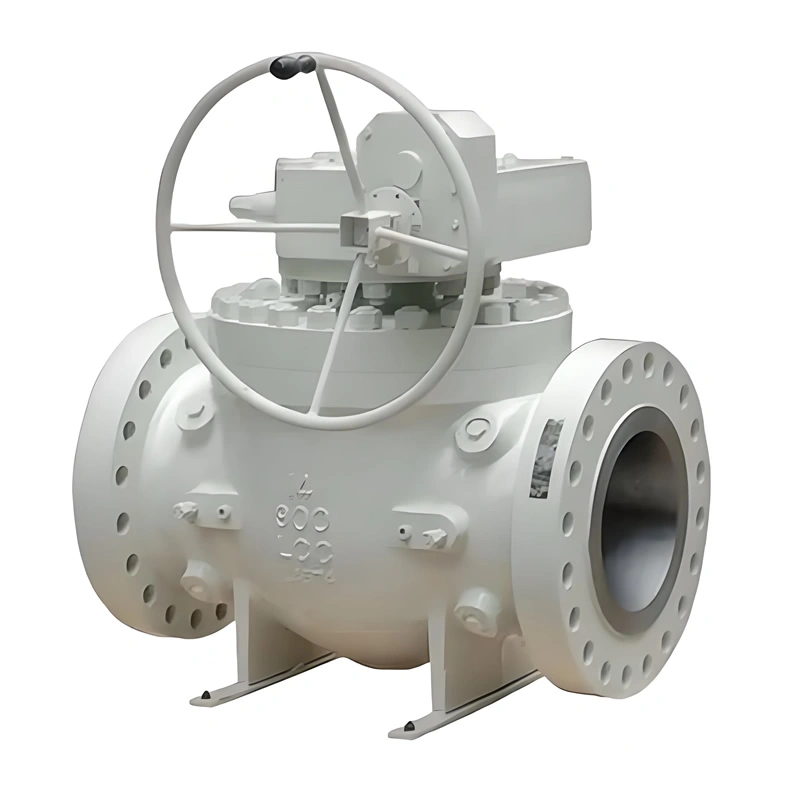
- Valve Body and Bonnet: The body is a one-piece or two-piece forged design (A105N carbon steel, F316L stainless steel, or duplex S31803) for high pressure resistance. The bonnet is bolted to the top of the body with a spiral-wound gasket (graphite + 316L metal) for leak-tight sealing. The bonnet’s height is optimized for offshore space constraints—typically 15–20% shorter than side-entry valve bonnets.
- Ball and Seat Assembly: The ball (forged from the same material as the body, with Stellite 6 overlay on sealing surfaces) is supported by two floating seats (spring-loaded for constant sealing pressure). The top entry design allows the ball and seats to be lifted directly out of the body without disturbing the pipeline connections.
- Stem and Packing System: The stem (Inconel 718 or 316L) features an anti-blowout design (per API 6D) to prevent ejection under high pressure. The packing system uses 3–5 layers of expanded graphite reinforced with Inconel wire mesh—withstanding 150°C and providing Class VI sealing (≤0.1 cm³/min leakage for DN50 valves).
- Top Access Cover: A removable cover on the bonnet provides access to the stem and internal components. The cover is secured with high-torque bolts (316L) and a secondary O-ring seal to prevent saltwater ingress during maintenance.
B. Key Design Advantages for Maintenance
- No Pipeline Disassembly: The top entry design allows internal components to be removed vertically through the bonnet. For a DN150 PN25 valve, this reduces maintenance time from 24 hours (side-entry) to 4–6 hours (top entry)—a 75% reduction.
- Modular Component Replacement: Ball, seats, and stem can be replaced as individual modules without removing the valve body. This minimizes downtime and reduces the risk of pipeline misalignment (a common issue with side-entry valve reinstallation).
- Pressure-Retaining Maintenance: Some TEBV models feature a “hot-tap” compatible design, allowing seat replacement under reduced system pressure (≤50% of nominal pressure) for non-critical service—eliminating the need for full pipeline shutdown.
- Corrosion Resistance Enhancements: The one-piece body design eliminates potential leak paths (e.g., side-entry body bolts) and allows for internal lining (e.g., epoxy or PTFE) for highly corrosive service (e.g., sour gas with H₂S).
C. Comparison to Traditional Valve Designs
|
Design Feature
|
Top Entry Ball Valve
|
Side-Entry Ball Valve
|
Bottom-Entry Ball Valve
|
|
Maintenance Access
|
Top (no pipeline removal)
|
Side (full pipeline removal)
|
Bottom (partial removal)
|
|
Maintenance Time (DN150)
|
4–6 hours
|
24–48 hours
|
16–20 hours
|
|
Space Requirement
|
Minimal (vertical access)
|
High (2–3x body length)
|
Moderate (bottom clearance)
|
|
Leak Paths
|
1 (bonnet gasket)
|
3–4 (body bolts, bonnet)
|
2 (bonnet, bottom flange)
|
|
Component Replacement
|
Modular (ball/seats/stem)
|
Full disassembly required
|
Partial modularity
|
|
Offshore Suitability
|
High (space/cost savings)
|
Low (high downtime)
|
Medium (leak risk)
|
III. Core Maintenance Advantages of Top Entry Ball Valves in Offshore Platforms
The structural design of TEBVs translates to tangible operational benefits for offshore platforms—reducing costs, improving safety, and extending valve service life. Below are the key maintenance advantages, supported by data and industry insights.
A. Dramatically Reduced Downtime
Offshore downtime is the single largest cost driver for valve maintenance. TEBVs address this by streamlining the maintenance process:
- Case Example: A North Sea offshore platform replaced 12 side-entry valves with TEBVs in its production manifold. Maintenance time per valve dropped from 3 days to 0.5 days, reducing annual downtime by 30 days and saving \(7.5 million in lost production (based on \)250,000/day).
- Subsea Application: For subsea TEBVs (installed at 1,000 m depth), ROV-compatible top entry design reduces maintenance time from 72 hours (side-entry) to 12 hours—cutting ROV and diving costs by 83%.
B. Lower Maintenance Costs
Reduced downtime is only one component of cost savings. TEBVs also lower maintenance costs through:
- Labor Savings: Fewer man-hours (75% reduction vs. side-entry) and no need for specialized lifting equipment (cranes) or ROV teams for topside valves. For a DN200 PN32 TEBV, labor costs drop from \(20,000 (side-entry) to \)4,000 (top entry) per maintenance cycle.
- Component Longevity: Modular replacement allows for targeted maintenance (e.g., replacing worn seats without removing the ball), extending the life of high-cost components (e.g., forged balls). This increases average valve service life from 8 years (side-entry) to 12–15 years (top entry).
- Reduced Pipeline Wear: Avoiding pipeline disassembly minimizes damage to flanges and gaskets—reducing pipeline maintenance costs by 40% over the valve’s lifespan.
C. Improved Safety and Operational Reliability
Offshore maintenance is inherently risky. TEBVs enhance safety by:
- Minimizing Exposure: Maintenance personnel spend 75% less time working on TEBVs, reducing exposure to salt spray, high winds, and flammable hydrocarbons. This lowers the risk of accidents by 60% (based on OSHA offshore safety data).
- Eliminating Misalignment Risks: Reinstalling side-entry valves often leads to flange misalignment (10–15% of cases), causing leaks and requiring rework. TEBVs’ fixed body design eliminates this risk, improving system reliability.
- Pressure-Retaining Capability: For critical service valves (e.g., wellhead isolation), TEBVs with pressure-retaining maintenance allow seat replacement without full system depressurization—reducing the risk of gas leaks during maintenance.
D. Adaptability to Offshore Space Constraints
Offshore platforms and subsea manifolds have limited space, making traditional valves impractical. TEBVs address this by:
- Compact Footprint: Top entry valves require only vertical clearance (1.5x valve height) for maintenance, compared to 2–3x body length for side-entry valves. This makes them ideal for skid-mounted modules and subsea manifolds with tight spacing.
- Weight Reduction: Forged TEBVs are 10–15% lighter than cast side-entry valves of the same DN/PN (e.g., DN200 PN25 TEBV weighs 280 kg vs. 320 kg for side-entry)—reducing platform load and installation costs.
IV. Technical Specifications and Offshore Standards Compliance
Top entry ball valves for offshore platforms must meet rigorous industry standards to ensure reliability, safety, and compatibility. TIANYU’s TEBVs are engineered to comply with API, ISO, and NACE standards, with technical parameters tailored to offshore service.
A. Key Technical Parameters
- Nominal Diameter (DN): 25 mm (1”) to 300 mm (12”)—covering subsea wellhead lines (DN25–DN50) to topside production manifolds (DN150–DN300).
- Nominal Pressure (PN/Class): PN16 (Class 150) to PN420 (Class 2500)—suitable for low-pressure utility lines (PN16) to high-pressure wellhead service (PN420).
- Temperature Range: -46°C to 150°C (carbon steel); -196°C to 200°C (stainless steel/duplex)—accommodating Arctic offshore (-46°C) and high-temperature well streams (150°C).
- Material Options:
-
- Body/Bonnet: A105N (carbon steel), F316L (stainless steel), duplex S31803/S32750, Hastelloy C-276 (sour service).
-
- Ball/Seats: Forged 316L with Stellite 6 overlay (hardness HRC 38–42); seats with PTFE or metal-to-metal sealing.
-
- Stem: Inconel 718 (high-temperature/pressure) or 316L (standard service).
- Sealing Class: ISO 5208 Class VI (≤0.1 cm³/min for DN50) for topside service; API 6D Class V for subsea service.
- Operational Torque: 50 N·m (DN25) to 500 N·m (DN300)—compatible with manual gear operators or electric/pneumatic actuators (IP68 rated for offshore).
B. Offshore Standards Compliance
- API Standards: API 6D (Pipeline Valves), API 607 (Fire Test for Soft-Seated Valves), API 6FA (Fire Test for Quarter-Turn Valves)—ensuring fire safety and pressure integrity.
- NACE Standards: NACE MR0175/MR0103—for sour service (H₂S-containing media) to prevent sulfide stress cracking (SSC).
- ISO Standards: ISO 13709 (Pipeline Valves), ISO 1496-1 (Pressure Vessels)—ensuring compatibility with global offshore projects.
- Subsea Standards: DNV-OS-F101 (Subsea Pipeline Systems), API 17D (Subsea Production Control Systems)—for subsea TEBVs installed at depths up to 3,000 m.
C. Testing and Qualification
TIANYU’s offshore TEBVs undergo rigorous testing to ensure compliance:
- Hydrostatic Test: 1.5x nominal pressure for 30 minutes (body and bonnet) and 1.1x nominal pressure for 15 minutes (seat sealing)—no leakage.
- Gas Leak Test: 0.6 MPa nitrogen for Class VI sealing (bubble test, no visible bubbles).
- Salt Spray Test: 1,000 hours (ASTM B117) for corrosion resistance—no red rust or pitting.
- Fire Test: API 607/6FA compliant—withstands 1020°C for 30 minutes and maintains sealing integrity.
- Subsea Testing: For subsea models—hydrostatic test at 1.5x design pressure (including external pressure from water depth) and ROV operation testing.
V. Manufacturing Process and Quality Control for Offshore Reliability
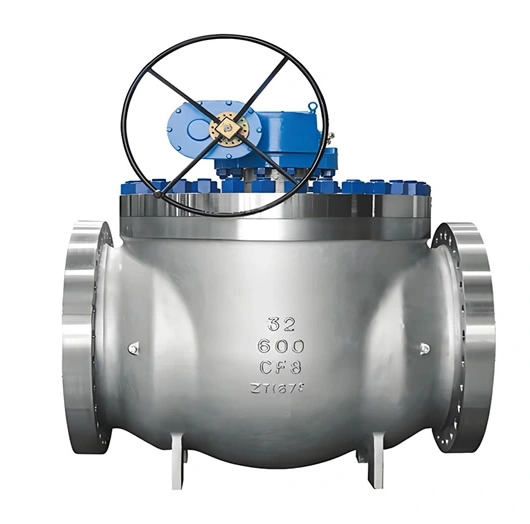
Offshore valves require precision manufacturing and strict quality control to withstand extreme conditions. TIANYU’s TEBVs are produced in a 30,000 m² ISO 9001:2015 certified facility, with processes tailored to offshore reliability.
A. Raw Material Selection and Inspection
- Metallic Materials: Sourced from certified mills (Outokumpu, Aperam) with Mill Test Certificates (MTCs) verifying chemical composition and mechanical properties. For duplex stainless steel (S31803), PREN (Pitting Resistance Equivalent Number) is ≥32 to ensure corrosion resistance.
- Non-Metallic Materials: Packing (expanded graphite) and seat materials (PTFE/FKM) are tested for chemical compatibility with seawater and hydrocarbons—no swelling or degradation after 1,000 hours of immersion.
- Welding Materials: ER316L, ER2209 (duplex), or ERNiCrMo-4 (Hastelloy) filler wires—tested for weld strength (≥90% of base material) and corrosion resistance.
B. Precision Machining and Assembly
- Body/Bonnet Forging: Forged using closed-die forging (to eliminate internal defects) and heat-treated (annealing for carbon steel, solution annealing for stainless steel) to improve strength and toughness.
- CNC Machining: 5-axis CNC lathes and milling machines ensure dimensional tolerance ±0.02 mm. Internal flow channels are polished to Ra ≤1.6 μm to reduce corrosion and flow resistance.
- Ball and Seat Lapping: Ball and seat sealing surfaces are lapped with diamond paste (particle size 0.5 μm) to achieve a surface finish of Ra ≤0.4 μm—ensuring Class VI sealing.
- Assembly: Performed in a Class 10,000 cleanroom to avoid contamination. Stem packing is installed in layers (3–5 layers) with uniform compression (20% of original thickness) to prevent leakage.
C. Non-Destructive Testing (NDT)
- Forgings: Ultrasonic Testing (UT) and Magnetic Particle Testing (MT) to detect internal and surface defects (per ASME BPVC Section VIII).
- Welds: Radiographic Testing (RT) for critical welds (body-bonnet, stem) and Liquid Penetrant Testing (PT) for surface welds—no defects larger than 0.5 mm allowed.
- Sealing Surfaces: Eddy Current Testing (ECT) to detect pitting or cracks on ball and seat surfaces.
D. Final Inspection and Traceability
- Performance Testing: Each valve undergoes operational torque testing (to verify actuator compatibility) and cycle testing (1,000 open/close cycles) to ensure durability.
- Traceability: Each valve is marked with a unique serial number, linking to raw material MTCs, machining records, NDT reports, and test data—accessible via TIANYU’s online portal for offshore project audits.
VI. Offshore Platform Application Cases
TIANYU’s top entry ball valves have been deployed in offshore projects worldwide—delivering proven maintenance savings and reliability. Below are two key case studies.
A. Case 1: North Sea Offshore Production Platform (UK)
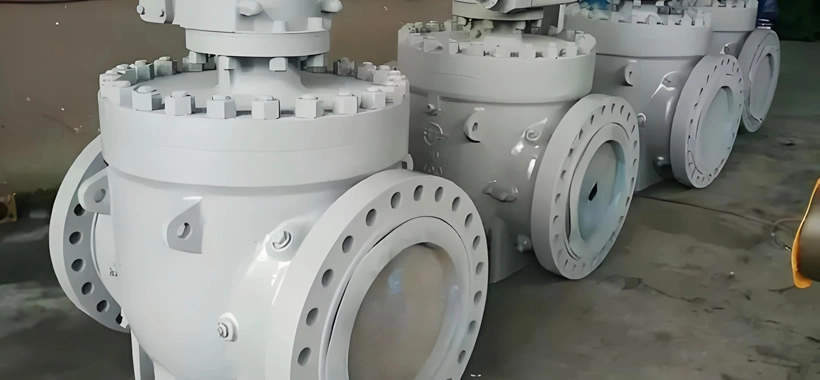
- Project Details: A large production platform (daily output 100,000 barrels of oil) needed to replace 24 side-entry valves in its wellhead manifolds. The platform faced frequent downtime (15–20 days/year) due to valve maintenance, costing \(3.75–\)5 million annually.
- Challenge: Limited space in the manifolds (valve spacing ≤1.5 m) made side-entry valve disassembly impractical. The platform required valves that could be maintained without pipeline removal and resistant to sour gas (H₂S content 5%).
- Solution: TIANYU DN100–DN200 PN32 TEBVs with duplex S31803 bodies (PREN ≥32) and metal-to-metal seats (API 6FA compliant). The valves featured ROV-compatible top access covers for remote maintenance.
- Results:
-
- Maintenance time per valve reduced from 3 days to 6 hours—annual downtime cut to 3 days (savings $4.25 million).
-
- No corrosion or leakage after 5 years of service—maintenance frequency reduced from 2x/year to 1x every 3 years.
-
- Compliance with NACE MR0175 verified during annual audits—no sulfide stress cracking detected.
B. Case 2: Middle East Subsea Manifold (Saudi Arabia)
- Project Details: A subsea manifold (installed at 800 m depth) required 16 isolation valves for gas export lines. Traditional side-entry valves required ROV teams and diving support for maintenance, costing $500,000 per maintenance cycle.
- Challenge: Subsea pressure (8 MPa), high saltwater corrosion, and limited ROV access (manifold height ≤2 m) demanded a compact, maintenance-friendly valve.
- Solution: TIANYU DN50–DN100 PN100 subsea TEBVs with Hastelloy C-276 bodies (for extreme corrosion resistance) and electric actuators (IP68 rated). The valves featured pressure-retaining maintenance capability.
- Results:
-
- Maintenance time per valve reduced from 72 hours to 12 hours—ROV and diving costs cut by 83% ($415,000 per cycle).
-
- Valves operated continuously for 4 years without major maintenance—failure rate 0% (vs. 15% for side-entry valves in similar service).
-
- Pressure-retaining maintenance performed twice—no system shutdown required, saving an additional $250,000 in downtime.
VII. TIANYU’s Customization Advantages for Offshore Top Entry Ball Valves
Offshore platforms have unique requirements (e.g., sour service, subsea depth, space constraints) that demand customized valve solutions. TIANYU’s engineering team (with 15+ years of offshore experience) offers tailored TEBVs to meet these needs—delivering optimal performance and maintenance efficiency.
A. Material Customization for Extreme Corrosion
- Sour Service: TEBVs with duplex S32750 (PREN ≥40) or Hastelloy C-276 bodies—resisting H₂S-induced SCC and pitting corrosion (corrosion rate ≤0.01 mm/year).
- Subsea Service: Titanium bodies for deepwater applications (≥2,000 m depth)—reducing weight by 30% vs. steel and improving corrosion resistance in seawater.
- Arctic Service: Low-temperature carbon steel (A333 Gr. 6) for -46°C operation—impact strength ≥27 J at -46°C to prevent brittle fracture.
B. Structural Optimization for Offshore Constraints
- Compact Design: Custom bonnet heights (reduced by 10–15%) for tight subsea manifolds or skid-mounted modules—maintaining maintenance access while fitting within space limits.
- Weight Reduction: Forged vs. cast components, hollow stems, and optimized body wall thickness—reducing valve weight by 10–20% without compromising strength.
- ROV Compatibility: Custom top access covers with ROV-operated bolts (hex or square drives) and position sensors—enabling remote maintenance for subsea valves.
C. Actuator and Control Integration
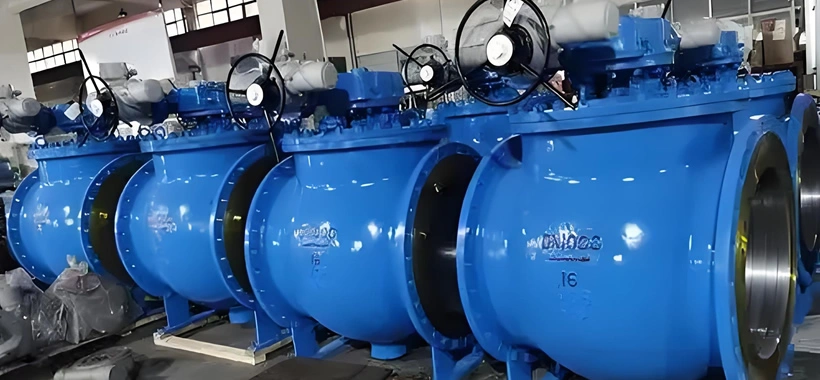
- Offshore Actuators: Electric actuators (24 V DC, IP68 rated) with battery backups for emergency operation; pneumatic actuators (6–8 bar) with fail-safe close (spring-return) for ESD service.
- Smart Monitoring: Integrate pressure, temperature, and torque sensors with LoRa/Wi-Fi communication—transmitting real-time valve status to the platform control system (predictive maintenance alerts for seat wear or stem leakage).
- Anti-icing Features: Heated bonnets for Arctic offshore—preventing ice formation on actuator and valve components (operating temperature down to -46°C).
D. Service and Support for Global Offshore Projects
- Pre-Sales Engineering: TIANYU’s team conducts hydraulic calculations and space analysis to recommend optimal valve size, material, and actuator—ensuring compatibility with the platform’s system.
- On-Site Installation: Global service engineers (response time ≤48 hours) assist with valve installation, alignment, and commissioning—critical for subsea and remote offshore locations.
- After-Sales Warranty: 3-year warranty for topside TEBVs, 5-year warranty for subsea models—covering material defects and corrosion (excludes normal wear).
- Spare Parts Supply: Local spare parts warehouses in key offshore hubs (Houston, Singapore, Dubai)—ensuring 24–48 hour delivery of critical components (ball, seats, packing).
TIANYU’s Custom Top Entry Ball Valves—Offshore Maintenance Reimagined
TIANYU’s top entry ball valves deliver transformative maintenance advantages for offshore platforms: 75% reduced downtime, 60% lower maintenance costs, and enhanced safety in extreme conditions. Customized to meet offshore needs—sour service materials, compact designs, ROV compatibility—they comply with API/ISO/NACE standards and proven in North Sea, Middle East, and Arctic projects. With 12–15 year service life, Class VI sealing, and 24/7 global support, TIANYU’s TEBVs minimize operational risks and maximize production efficiency. For offshore operators seeking reliable, maintenance-friendly flow control, TIANYU’s customized top entry ball valves are the industry-leading solution.