Seawater intake systems are vital for power generation (cooling), desalination (raw water), and offshore oil/gas (injection water). However, seawater’s contaminants—suspended solids (20–100 mg/L), marine organisms (barnacles, algae), and sediment—damage downstream equipment (pumps, RO membranes). Basket strainers with 316L stainless steel mesh solve this: they capture debris while resisting seawater’s 35,000 ppm chloride corrosion. This article explores their design, 316L advantages, specs, manufacturing, applications, and TIANYU’s tailored solutions for seawater service.
I. Key Challenges of Seawater Intake Systems
A. Chloride Corrosion
- 304 stainless steel (no molybdenum) corrodes at 0.05–0.1 mm/year (replacement every 5–10 years).
- Carbon steel rusts within months, requiring frequent repairs.
B. Debris Damage
- Suspended solids (5–200 μm): Clog pump impellers (15–30% efficiency loss) and RO membranes (2–3x more frequent cleaning).
- Marine organisms (100–500 μm): Barnacle larvae and algae form biofouling (25% heat exchanger efficiency loss in 6 months).
- Floating debris (≥1 mm): Jams valves and damages pump seals.
C. Dynamic Operating Conditions
- Temperature: -2°C (polar) to 32°C (tropical)—causing thermal stress in strainer components.
- Pressure: 0.5 MPa (coastal) to 3.0 MPa (offshore)—spikes from pump startups can deform weak housings.
II. Design Principles of Seawater Basket Strainers
A. Core Components
- Housing: 316L stainless steel (or duplex for high pressure) with:
-
- ASME B16.5 flanges (150–300 Class) for leak-tight pipeline integration.
-
- Drain/vent ports (bottom for sediment, top for air release) to prevent buildup.
-
- Reinforced walls (8 mm for DN100, 20 mm for DN600) to withstand 1.5x nominal pressure spikes.
- 316L Mesh Basket:
-
- Weave: Twilled/plain woven for uniform pores (20–300 μm; 50 μm for RO, 200 μm for cooling water).
-
- Size: Surface area 3–5x pipeline cross-section (minimizes pressure loss); volume 5–80 L (1–2 weeks of debris storage).
-
- Features: Lifting lugs for easy removal; reinforced rim for secure housing fit.
- Seals: EPDM (-20°C to 120°C, most coastal use) or FKM (up to 200°C, power plant cooling).
- 排污 Mechanism:
-
- Manual: Bottom valve for low-debris areas (open ocean).
-
- Automatic: Motorized valve triggered at ΔP ≥ 0.05 MPa (high-debris nearshore/unmanned platforms).
B. Flow Efficiency
- Tapered inlet: Guides water evenly into the basket (no dead zones).
- Polished internals: Ra ≤ 1.6 μm to reduce friction and biofouling.
- Velocity control: 0.8–1.2 m/s (prevents sediment settling, keeps pressure loss ≤0.03 MPa).
III. Why 316L Mesh Is Critical for Seawater
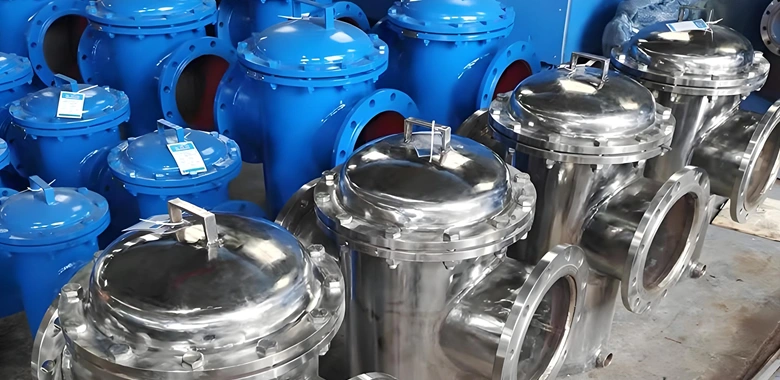
316L stainless steel is ideal for seawater strainers due to its corrosion resistance, durability, and cost-effectiveness.
A. Composition and Corrosion Resistance
- PREN (Pitting Resistance Equivalent Number): 25–30 (vs. 18–20 for 304, <10 for carbon steel).
- Corrosion rate: ≤0.01 mm/year (vs. 0.05–0.1 mm/year for 304).
- Resistance: No crevice corrosion/pitting in seawater up to 120°C.
B. Mechanical Durability
- Tensile strength: 515–690 MPa (resists stretching from high flow).
- Yield strength: ≥170 MPa (no permanent deformation during cleaning).
- Elongation: ≥40% (flexes without breaking when capturing large debris).
C. Material Comparison
|
Material
|
PREN
|
Corrosion Rate (mm/year)
|
Cost (vs. 316L)
|
Best For
|
|
316L Stainless
|
25–30
|
≤0.01
|
1.0x
|
General seawater intake
|
|
304 Stainless
|
18–20
|
0.05–0.1
|
0.7x
|
Brackish water (low chloride)
|
|
Duplex S31803
|
32–35
|
≤0.005
|
1.8x
|
Extreme offshore corrosion
|
|
Hastelloy C-276
|
60–65
|
≤0.001
|
8.0x
|
Acid-seawater mixes
|
IV. Technical Specifications of TIANYU Strainers
A. Dimensional/Pressure Ratings
- DN: 50 mm (2”) to 600 mm (24”) (RO feed lines to power plant mains).
- PN/Class: PN1.0 (150) to PN4.0 (300) (coastal desalination to offshore injection).
- Face-to-Face: ISO 5752 compliant (pipeline compatibility).
B. Mesh/Basket Details
- Mesh: 316L (ASTM A240), 20–300 μm (±5% tolerance); passivated (Cr₂O₃ layer 0.005–0.01 mm).
- Basket Volume: 5 L (DN50) to 80 L (DN600) (1–2 weeks of debris storage).
C. Operating Conditions
- Temperature: -20°C to 120°C (EPDM) or -20°C to 200°C (FKM).
- Flow Rate: 50 m³/h (DN50) to 5,000 m³/h (DN600) (1.2 m/s max velocity).
- Debris Retention: ≥98% for particles ≥ mesh size.
D. Testing
- Hydrostatic: 1.5x PN for 30 minutes (no leakage, ASME B16.34).
- Air Leak: 0.6 MPa (ISO 5208 Class V, no bubbles).
- Salt Spray: 1,000 hours (ASTM B117, no red rust).
V. Manufacturing Process
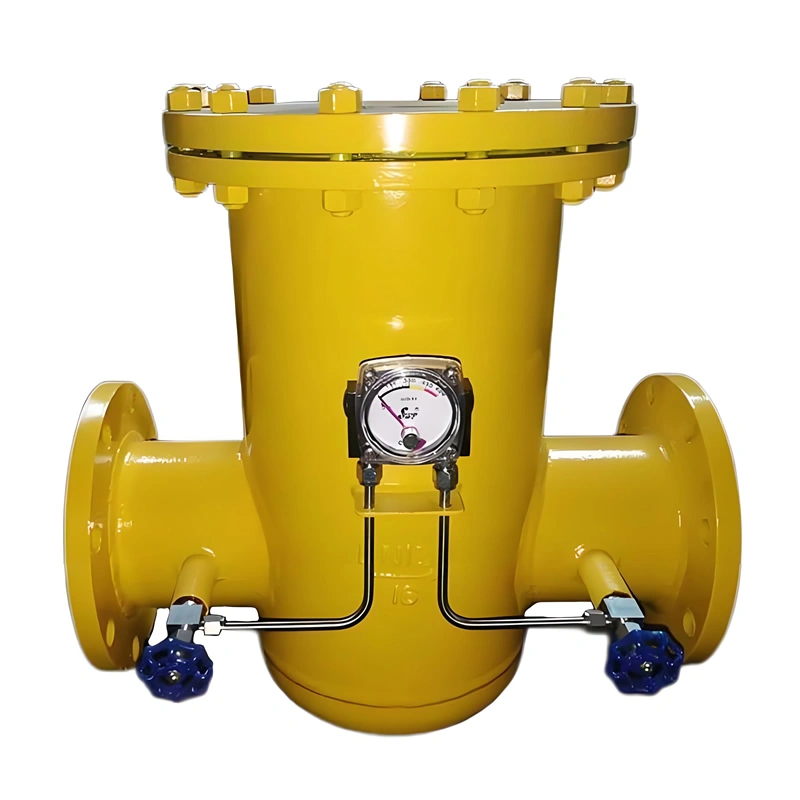
TIANYU’s ISO 9001 process ensures precision and corrosion resistance:
A. Raw Material Inspection
- 316L steel: MTC-verified composition/mechanical properties (Outokumpu/Aperam sources).
- Mesh: Woven from 0.1–0.5 mm 316L wire; laser-cut to size (±0.1 mm).
- Seals/Fasteners: EPDM/FKM (ASTM D2000); 316L bolts (no galvanic corrosion).
B. Housing Machining
- Cutting: Plasma (thick plates) or laser (thin plates); cold-rolled/cast for shape.
- CNC Machining: Flanges, ports, and internals (ASME B16.5 tolerances); polished to Ra ≤1.6 μm.
- Welding: TIG with ER316L filler; UT/PT inspected (ASME BPVC Section IX).
C. Basket Assembly
- Forming: Mesh cylinder welded (no gaps); 316L plate bottom welded.
- Reinforcement: Steel rim + lifting lugs welded; passivated (20% nitric acid, 40°C, 30 minutes).
D. Final Assembly & QC
- Integration: Basket + seals installed; flanges torqued (ASME B16.5).
- Testing: 10-cycle basket insertion; automatic 排污 valve tests (50 cycles).
- Marking: DN, PN, material, serial number (traceable via TIANYU portal).
VI. Real-World Applications
A. Coastal Power Plant Cooling
- Challenge: 1,200 MW plant (Southeast Asia) faced 20% condenser efficiency loss from 50–80 mg/L solids/algae.
- Solution: TIANYU DN400, PN1.6 strainers (316L mesh, 100 μm; automatic 排污).
- Results: 90% less clogging; quarterly cleaning (vs. monthly); $150k/year fuel savings; 3-year corrosion-free mesh.
B. RO Desalination
- Challenge: 50,000 m³/day plant (Middle East) replaced RO membranes every 2 years (barnacles/sand damage).
- Solution: TIANYU DN250, PN2.0 dual-basket strainers (316L mesh, 50 μm).
- Results: Membrane life extended to 4 years ($250k/set savings); monthly cleaning (vs. biweekly); 0.008 mm/year corrosion.
C. Offshore Oil Injection
- Challenge: North Sea platform pumps failed every 18 months (2.5 MPa, 200–300 μm sand).
- Solution: TIANYU DN150, PN3.0 strainers (316L mesh, 200 μm; 15 mm reinforced housing).
- Results: Pump life doubled (36 months); $80k/year maintenance savings; 1,000-hour salt spray resistance.
VII. Maintenance Best Practices
A. Inspection & Cleaning
- Frequency: Weekly ΔP checks (clean at ≥0.05 MPa); monthly visual inspections (high-debris areas).
- Cleaning: High-pressure freshwater rinse (5–10 MPa); 10% citric acid soak (biofouling); 5% HCl (scale, avoid EPDM).
- Mesh Check: Replace if >5% damage (prevents bypass).
B. Corrosion Prevention
- Passivation: Reapply every 2–3 years (restores Cr₂O₃ layer).
- Crevice Checks: Annual flange/basket-rim cleaning; anti-seize compound (316L-compatible).
C. Replacement Schedules
- Mesh: 3–5 years (metal fatigue).
- Seals: EPDM (2 years), FKM (3 years).
- Housing: Replace if 20% wall loss or 1 mm pitting.
VIII. TIANYU’s Customization Advantages
A. Material Tailoring
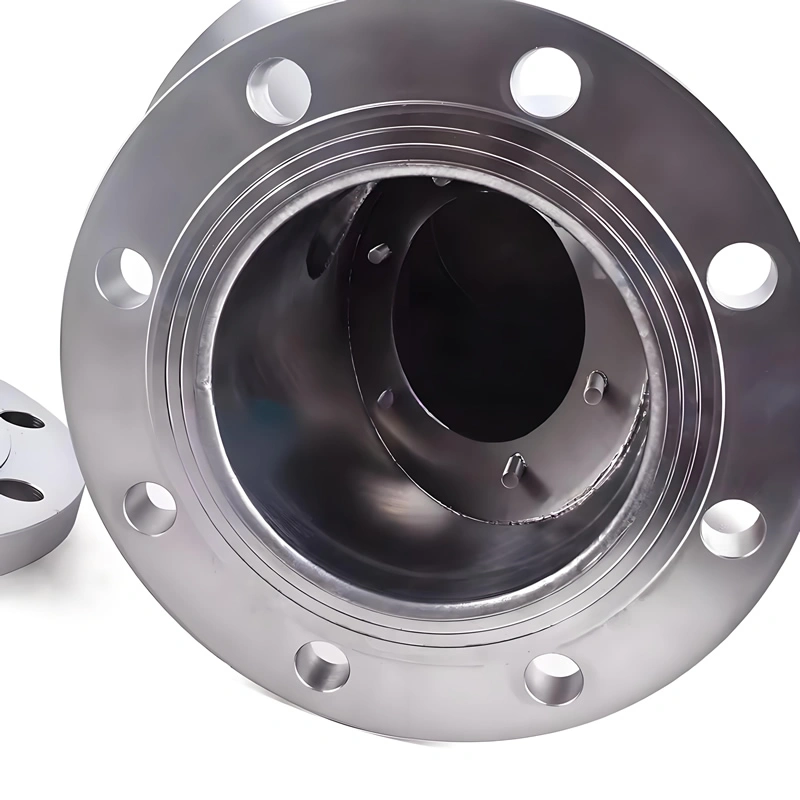
- Extreme Corrosion: S32750 (PREN 32–35) or Hastelloy C-276 (PREN 60–65) mesh.
- Cold Service: 316LN (0.1% nitrogen) for -40°C Arctic seawater (≥50 J impact strength).
B. Structural Customization
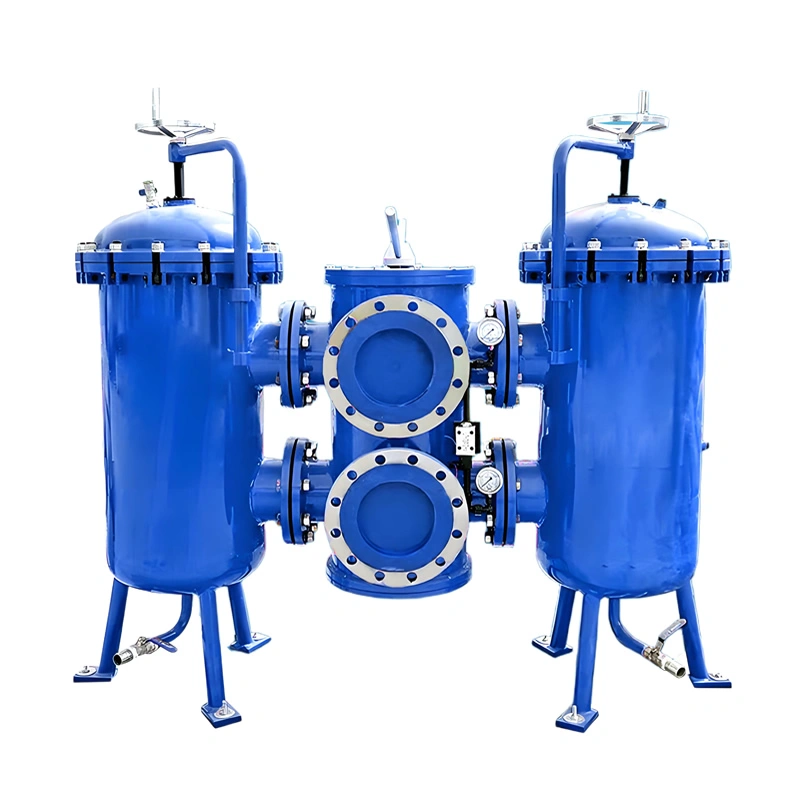
- Dual-Basket: 24/7 operation (clean one basket while the other runs).
- Vertical Design: 50% smaller footprint (offshore platforms).
- Trash Rack: 316L bars (10 mm spacing) for large debris (nearshore).
C. Functional Add-Ons
- Smart Monitoring: Pressure sensors + IoT (predictive maintenance alerts).
- High-Pressure: 30 mm wall housings + forged flanges (PN ≥4.0 MPa).
- Custom Mesh: 10–500 μm pores (Dutch weave for fine filtration).
D. Support
- Pre-Sales: Engineering team calculates mesh size/flow based on seawater data.
- On-Site: Global engineers (≤48-hour response) for installation/testing.
- Warranty: 2 years (standard), 3 years (customized).