III. Manufacturing Process & Quality Assurance
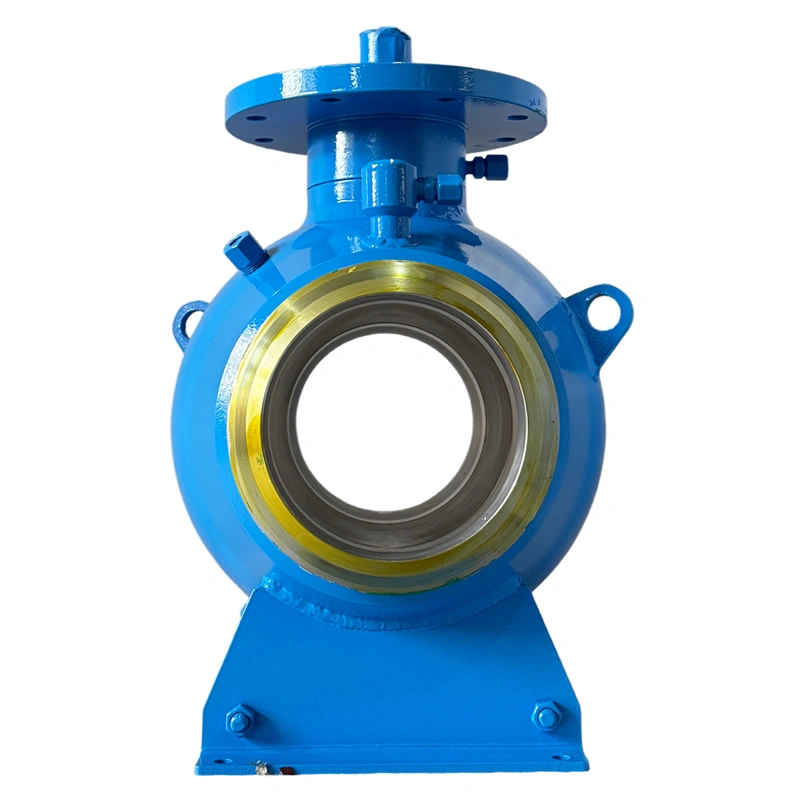
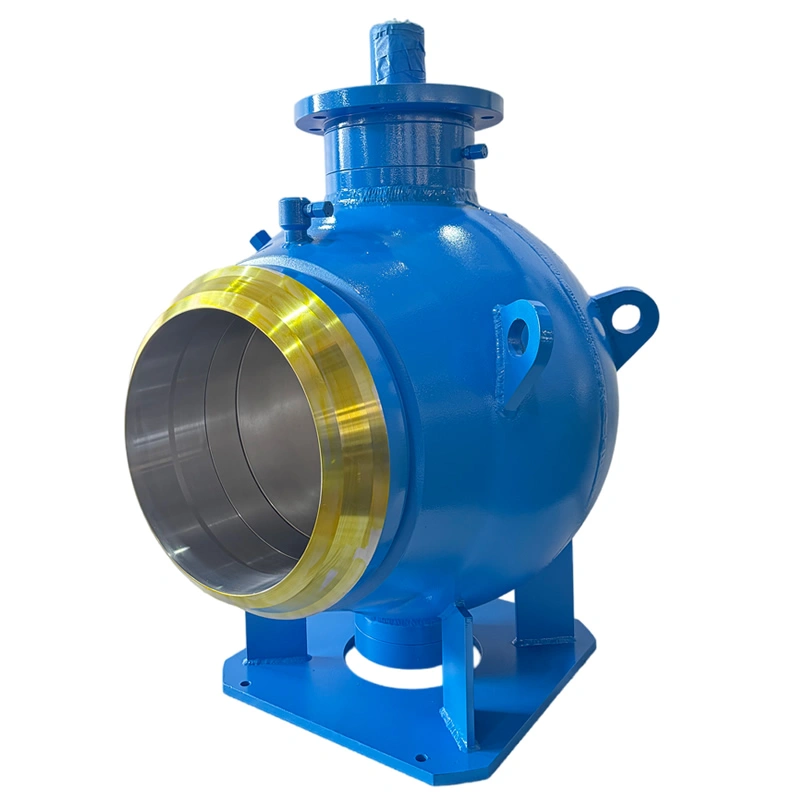
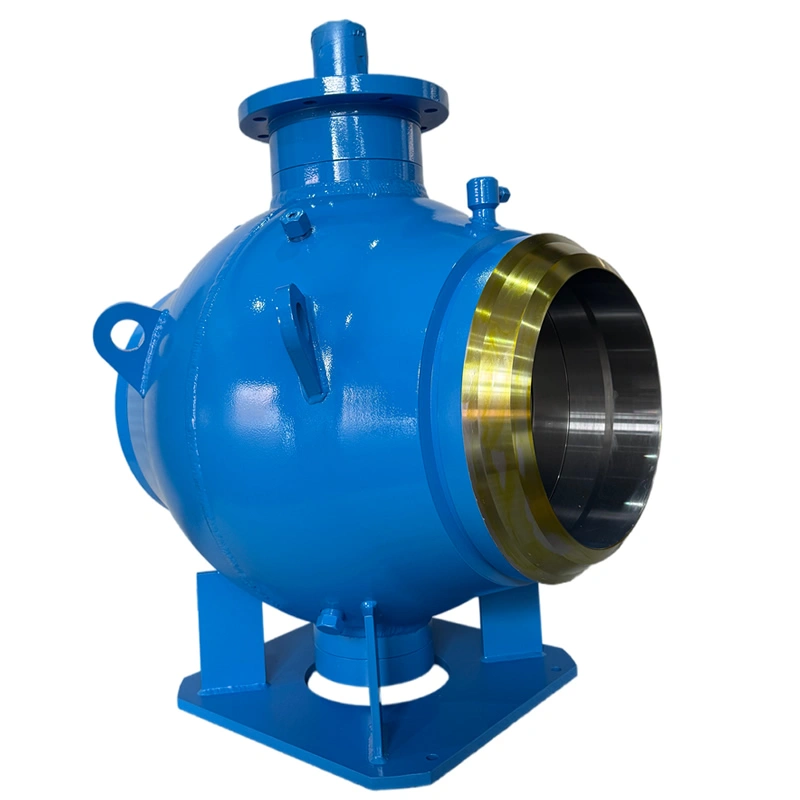
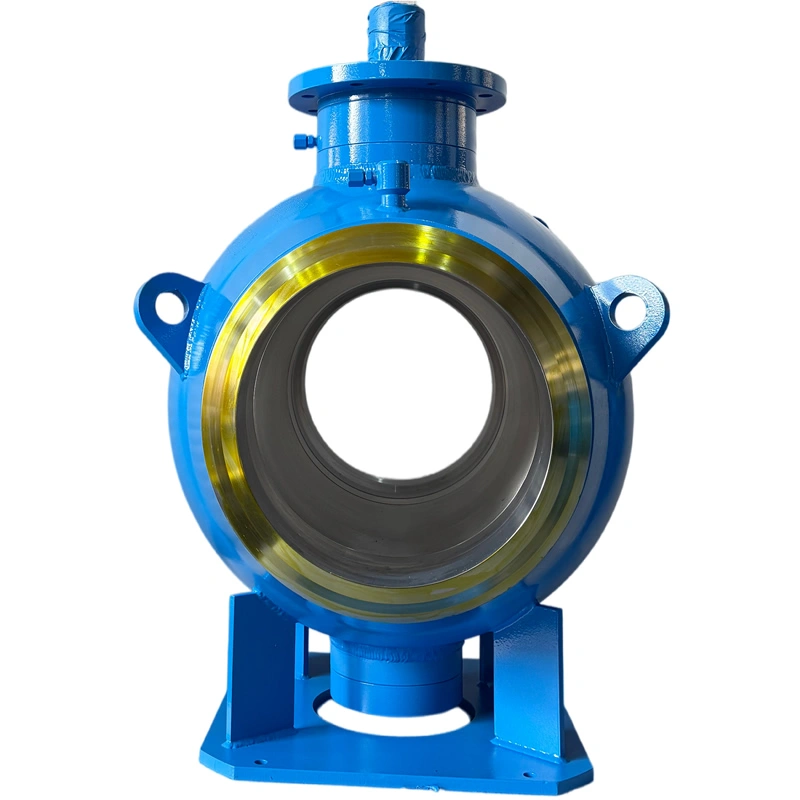
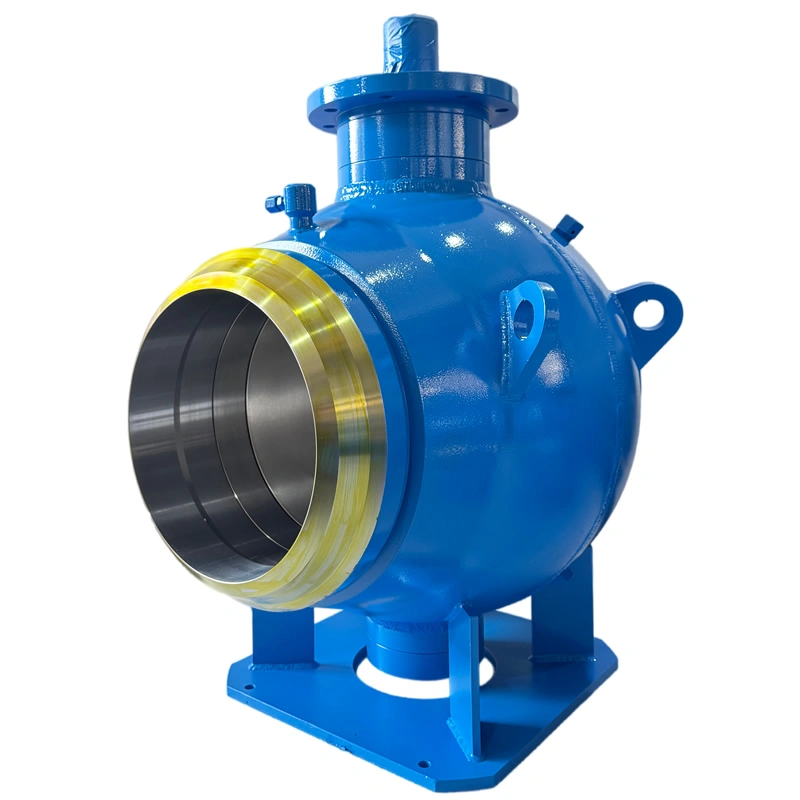
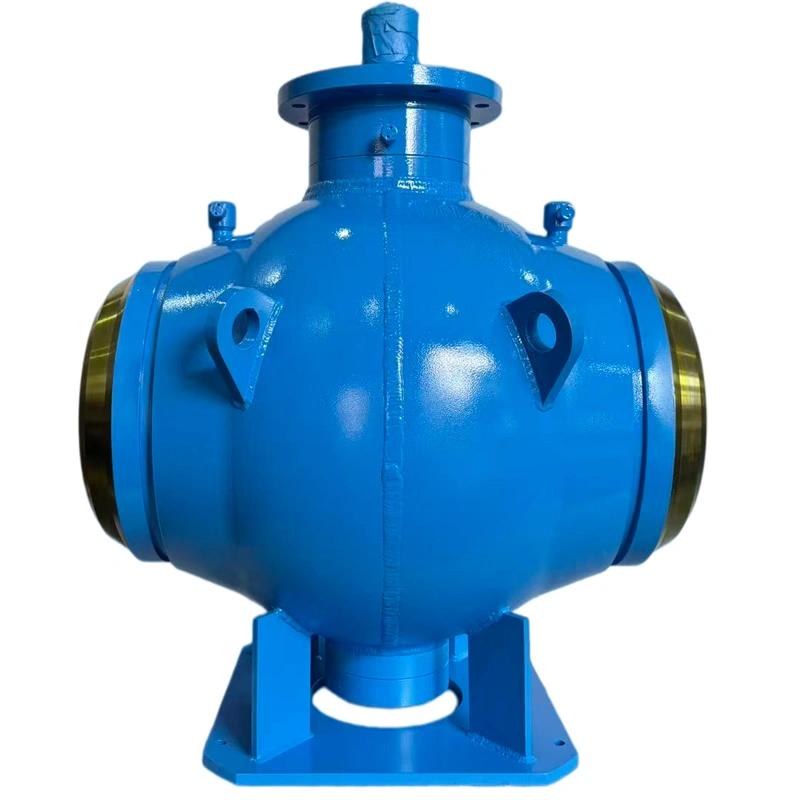
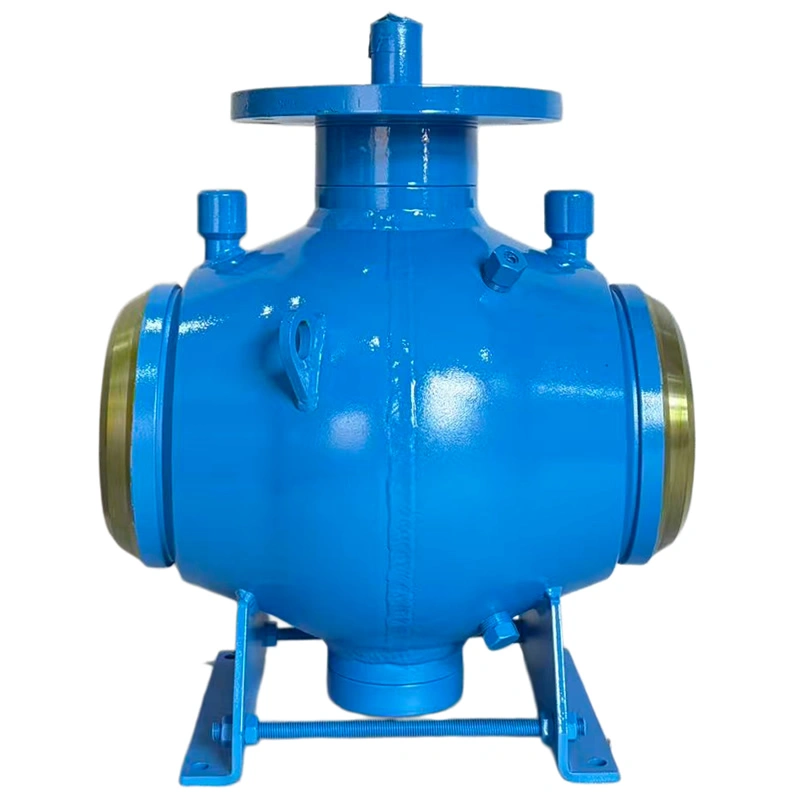
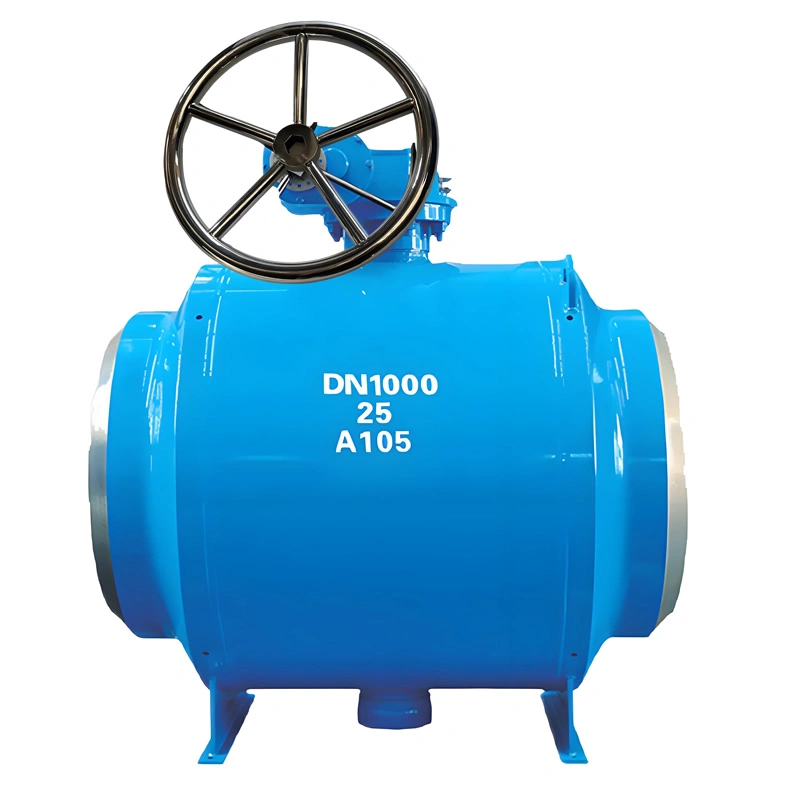
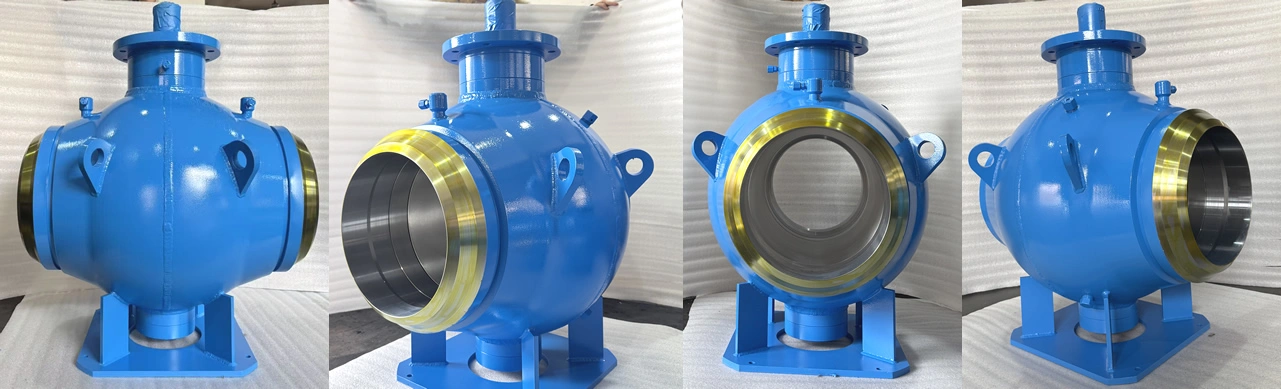
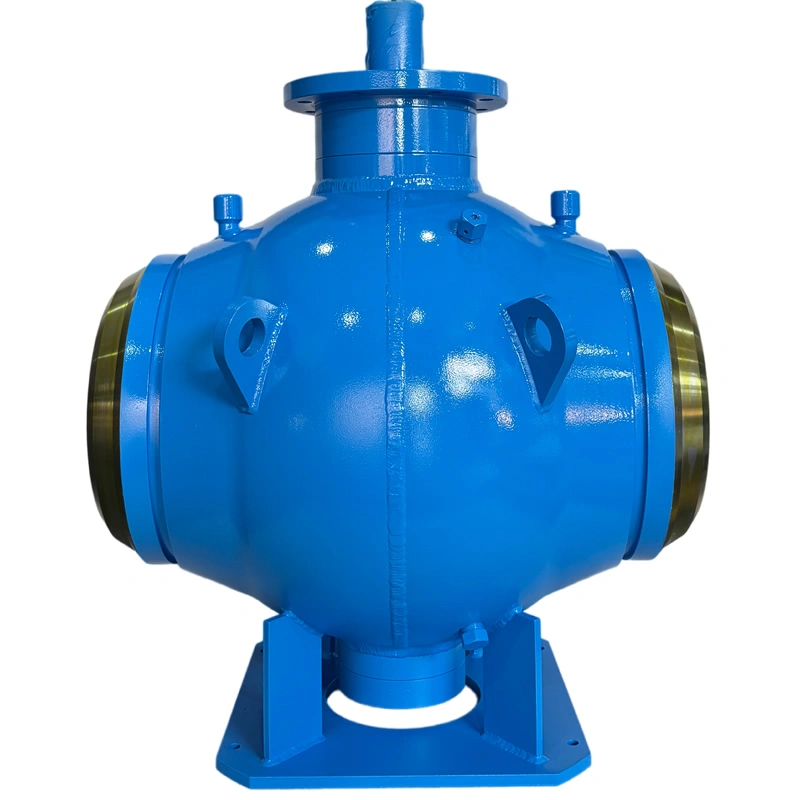
The production of the TIANYU DN400 PN80
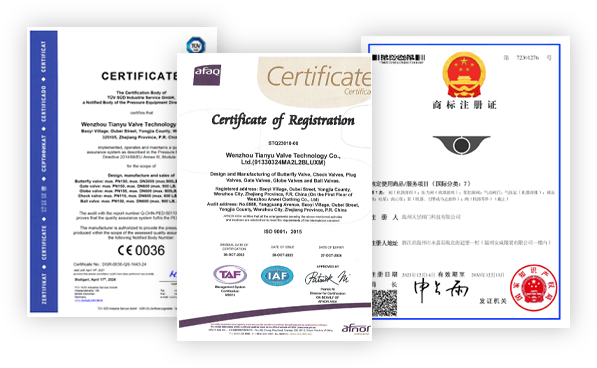
full welded ball valve adheres to the most rigorous manufacturing processes and quality control protocols in the industry, aligning with API 6D, ASME B16.34, and ISO 9001:2015 standards to ensure every valve meets or exceeds design specifications and global industry requirements. From raw material procurement to final factory testing, every step of the manufacturing process is controlled and documented, with a focus on precision, consistency, and reliability—critical for a valve designed for high-pressure, large-flow industrial applications.
Raw Material Procurement & Inspection
Raw materials for the valve—LF2 carbon steel billets and 321 stainless steel billets—are sourced exclusively from approved, ISO 9001-certified suppliers with a proven track record of producing high-quality materials for the oil and gas and petrochemical industries. All raw materials are accompanied by a mill test certificate (MTC) that verifies chemical composition, mechanical properties, and compliance with ASTM A105 (for LF2) and ASTM A240 (for 321 stainless steel). Upon receipt, the raw materials undergo rigorous incoming inspection in TIANYU’s state-of-the-art quality control laboratory, including chemical composition analysis via optical emission spectroscopy (OES) to verify compliance with ASTM standards; mechanical property testing (tensile strength, yield strength, elongation, hardness) via universal testing machine (UTM) and Brinell hardness tester; non-destructive testing (NDT) including ultrasonic testing (UT) and magnetic particle testing (MPT) to detect internal and surface defects; and for 321 stainless steel, additional testing to verify titanium content and resistance to intergranular corrosion. Any raw material that fails to meet the specified requirements is rejected and returned to the supplier, ensuring only high-quality materials are used in production.
Body & Ball Fabrication
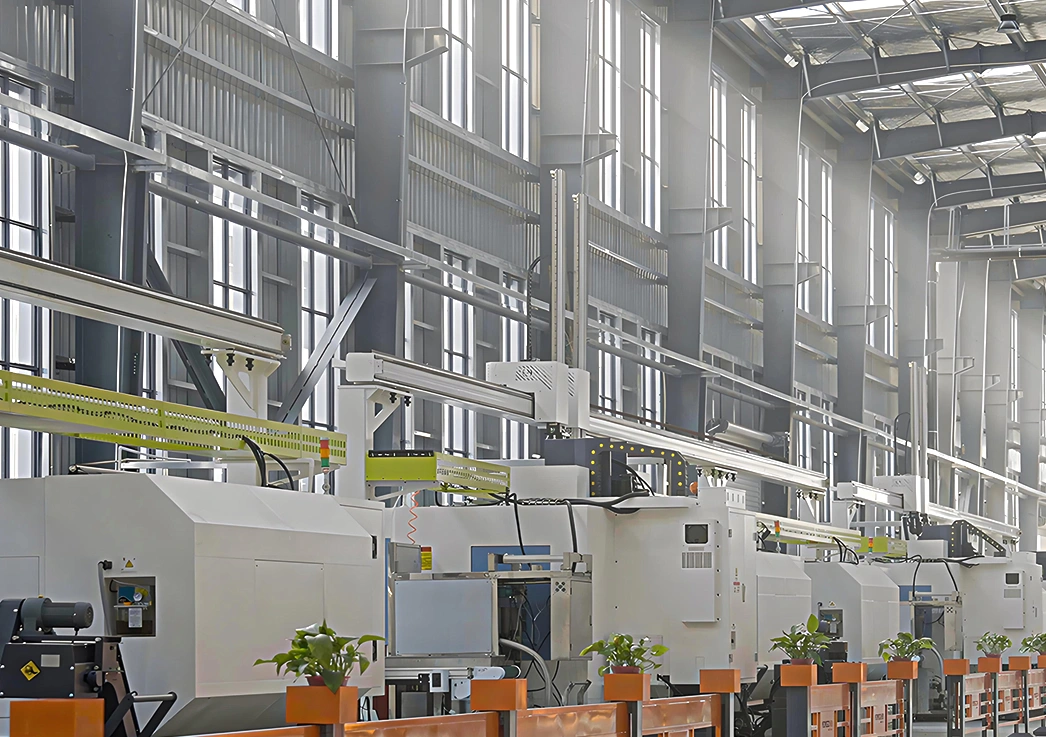
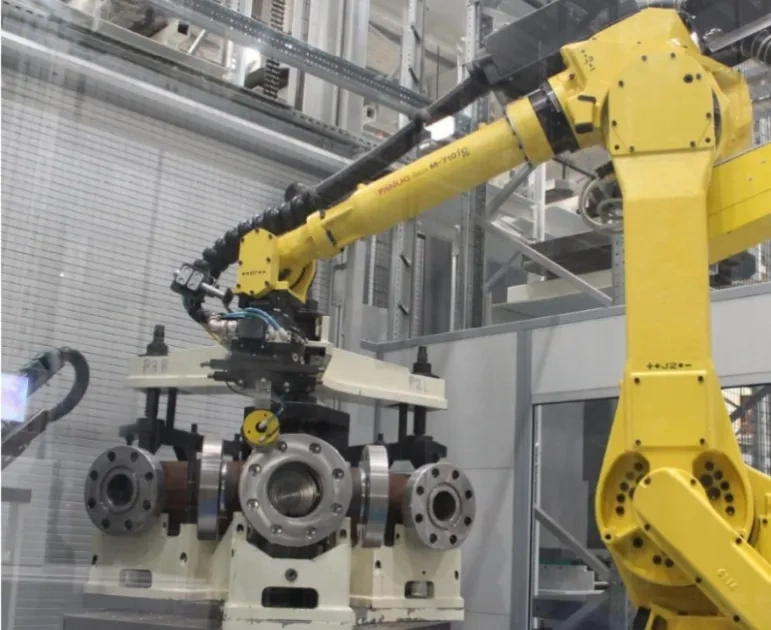
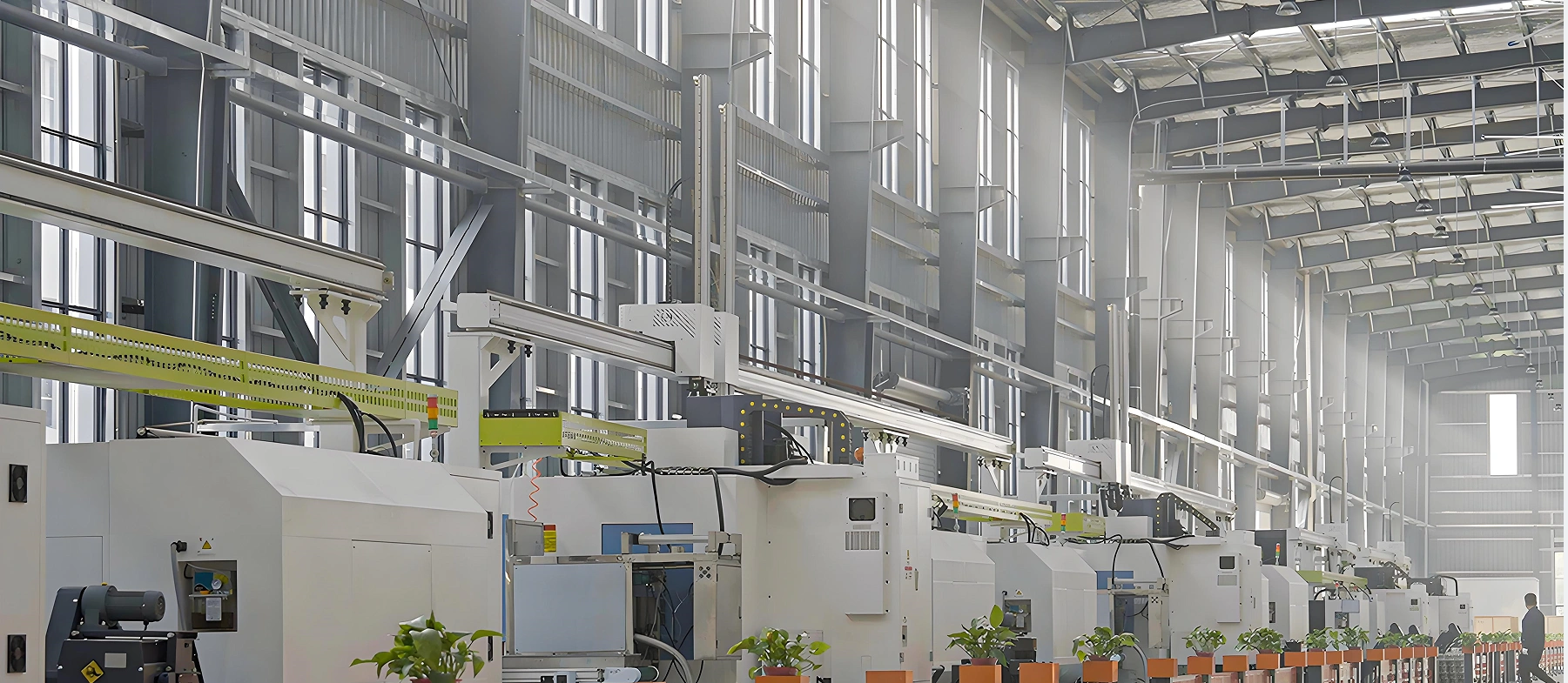
The valve body is manufactured using a hot-forging process, where LF2 carbon steel billets are heated to high temperatures (1100-1200°C) and shaped under extreme pressure using precision dies. This process enhances material density, eliminates internal defects such as porosity or inclusions, and improves mechanical properties, including tensile strength and impact resistance. After forging, the body undergoes heat treatment, including normalization and tempering, to refine its microstructure and relieve internal stresses, ensuring consistent performance across the component. The body is then machined to precise dimensions using CNC lathes and milling machines, with critical surfaces such as the ball cavity, stem bore, and weld ends finished to a roughness of Ra ≤ 3.2 μm to ensure proper assembly and welding.
The 321 stainless steel ball is manufactured using a precision forging process, followed by CNC turning and milling to achieve the required spherical shape and dimensional accuracy. The ball is then lapped and polished to a surface finish of Ra ≤ 0.8 μm, ensuring optimal sealing performance with the hard seat assembly. After machining, the ball undergoes solution annealing heat treatment (1040-1100°C) followed by rapid quenching, which refines the microstructure and enhances corrosion resistance.
Seat & Stem Production
The hard seats are fabricated from 321 stainless steel bases with Stellite 6 overlay. The Stellite 6 overlay is applied using plasma spray welding, a process that ensures a uniform, high-quality bond with the base material. The overlay is then machined to precise dimensions to ensure a tight seal with the 321 stainless steel ball. The stem is machined from 321 stainless steel billets using CNC lathes, with critical surfaces such as the sealing area and thread finished to tight tolerances to ensure compatibility with the packing system and ball connection.
Welding & Assembly
The full welded connections are performed by certified welders using TIG welding techniques, which provide superior weld quality and minimal heat-affected zones. The welding process is controlled using automated welding equipment to ensure consistency and precision, with weld parameters (current, voltage, travel speed) monitored and documented in real time. After welding, the welds undergo non-destructive testing, including ultrasonic testing (UT) to detect internal defects and radiographic testing (RT) to verify weld penetration and integrity.
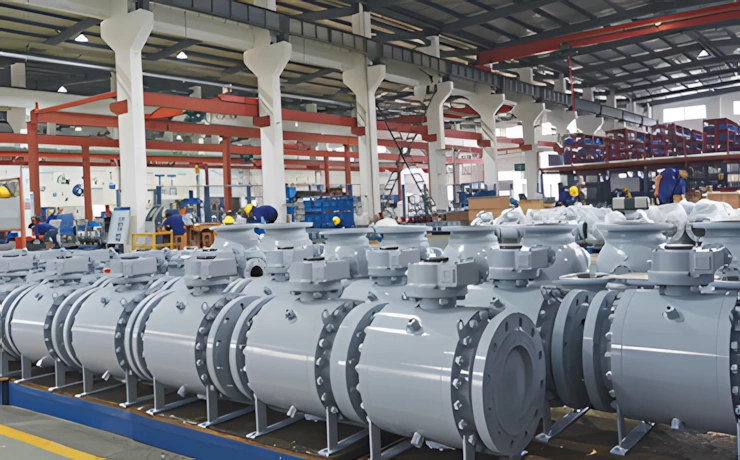
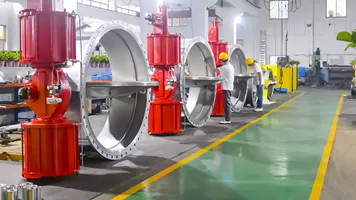
Valve assembly is performed in a controlled, clean environment to prevent contamination of internal components, with skilled technicians following detailed, step-by-step assembly work instructions. The assembly process involves installing the hard seat assemblies into the valve body cavity; inserting the 321 stainless steel ball into the body, ensuring proper alignment with the seats; installing the stem through the bonnet packing and connecting it to the ball via a square drive or keyed connection; mounting the bonnet to the body and torquing the bonnet bolts to the specified value using a calibrated torque wrench; installing the stem packing system, including graphite packing rings and a packing gland, to ensure a leak-proof seal; attaching the manual light stem and position indicator, and calibrating the position indicator to align with the ball’s open/closed status; and lubricating all moving parts with a high-performance, high-temperature grease compatible with the valve’s materials. During assembly, critical dimensions and clearances are verified using precision measurement tools, including coordinate measuring machines (CMMs), dial indicators, and calipers, to ensure compliance with design specifications.
Factory Testing & Certification
Before leaving the factory, every TIANYU DN400 PN80 full welded ball valve undergoes a comprehensive series of performance tests in accordance with API 6D, API 598, and ISO 5208 standards, with all test results documented in a factory test certificate (FTC) provided with each valve. The testing program includes a shell test, a hydrostatic pressure test conducted at 1.5 times the rated PN80 pressure (12.0 MPa) for a minimum of 30 seconds, to verify the body’s structural integrity and no visible leakage or deformation; a seat test (hydrostatic), a hydrostatic pressure test of the seat assemblies at 1.1 times the rated pressure for both upstream and downstream flow directions, to verify compliance with ANSI/FCI Class IV leakage standards; a seat test (pneumatic), a pneumatic pressure test at 0.69 MPa (100 PSI) to verify the metal-to-metal seal’s integrity in low-pressure applications; an operational test, a functional test of the manual light stem to verify smooth opening and closing, accurate position indication, and positive locking; a fugitive emission test, a test of the stem packing system in accordance with ISO 15848-1, to verify emissions are below the specified limit (≤ 100 ppm for Class A); a fire-safe test, a third-party fire test in accordance with API 607 and API 6FA to verify the metal-to-metal seal maintains integrity after fire exposure; and a weld integrity test, a re-test of the welded joints using UT and RT to confirm no post-assembly defects. Only valves that pass all tests are certified and released for shipment, with the FTC including all test results, material certifications, and compliance standards for full traceability.
Quality Management System
TIANYU maintains a certified quality management system (QMS) compliant with ISO 9001:2015 and API Q1, the oil and gas industry’s premier quality standard for manufacturing facilities. The QMS covers all aspects of the manufacturing process, from raw material procurement to final delivery, with a focus on continuous improvement, customer satisfaction, and compliance with global industry standards. The QMS is supported by a team of experienced quality assurance (QA) engineers who conduct regular internal audits, process reviews, and supplier audits to ensure compliance, and a document control system that maintains all manufacturing, testing, and certification records for a minimum of 7 years—meeting the traceability requirements of the oil and gas industry.