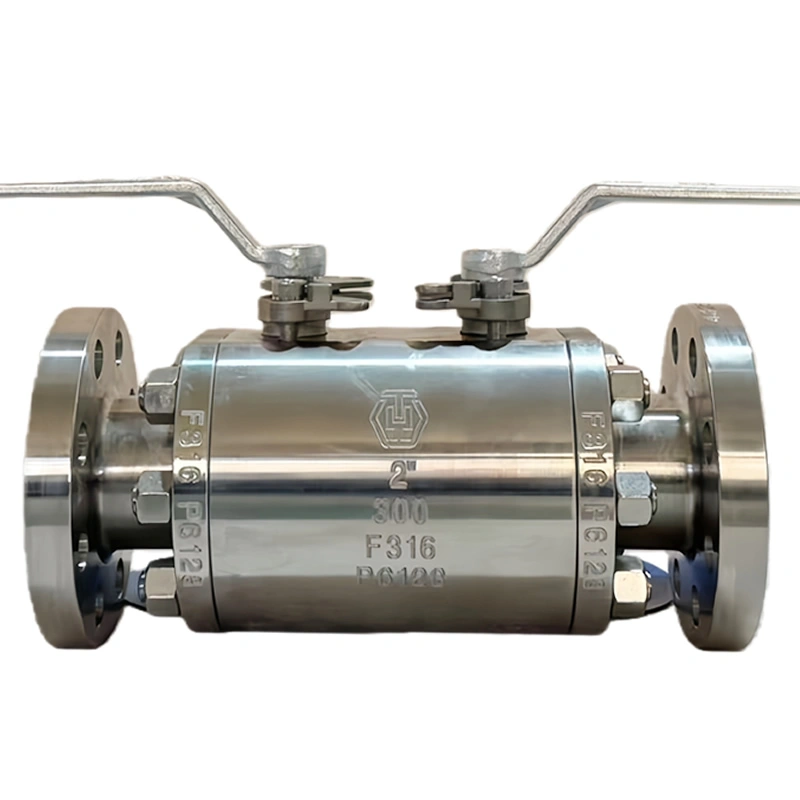
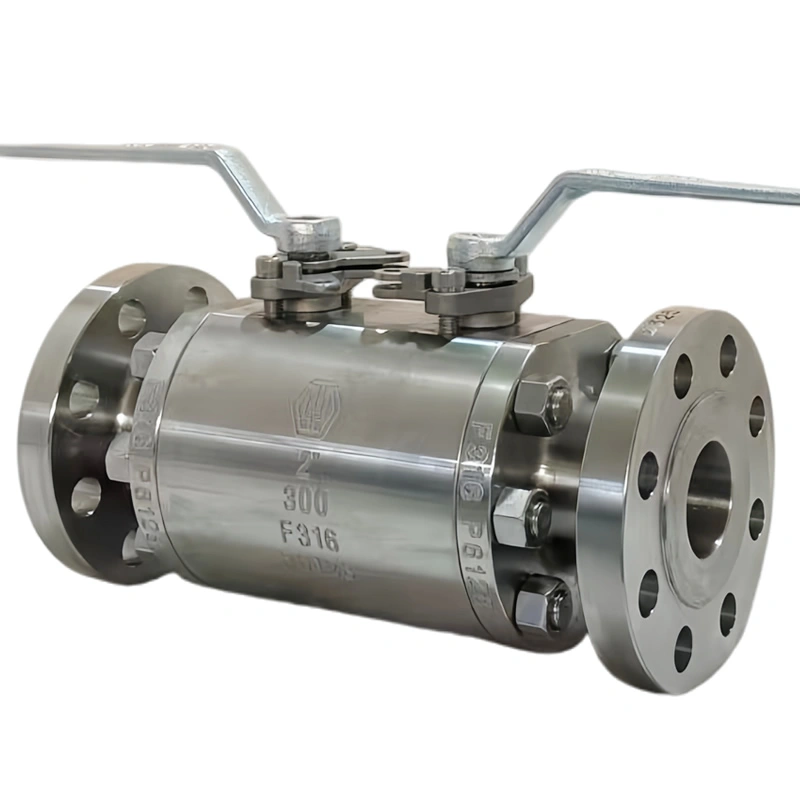
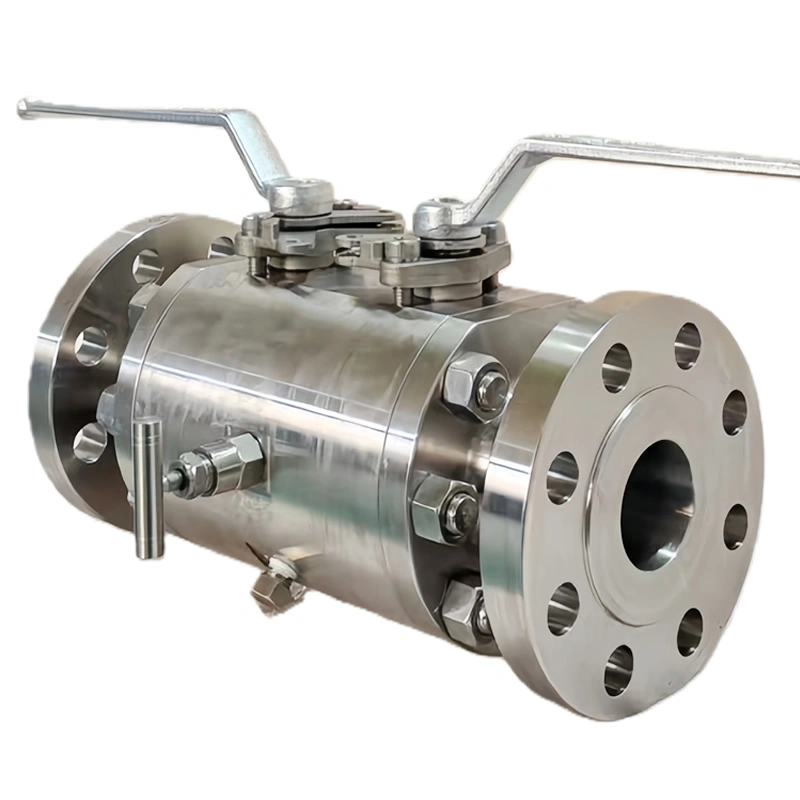
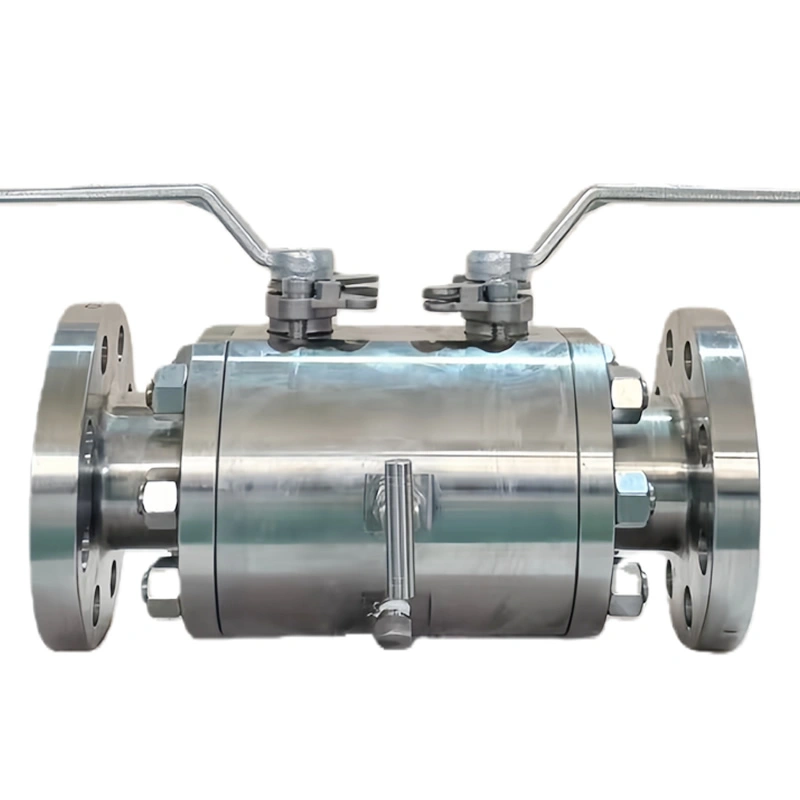
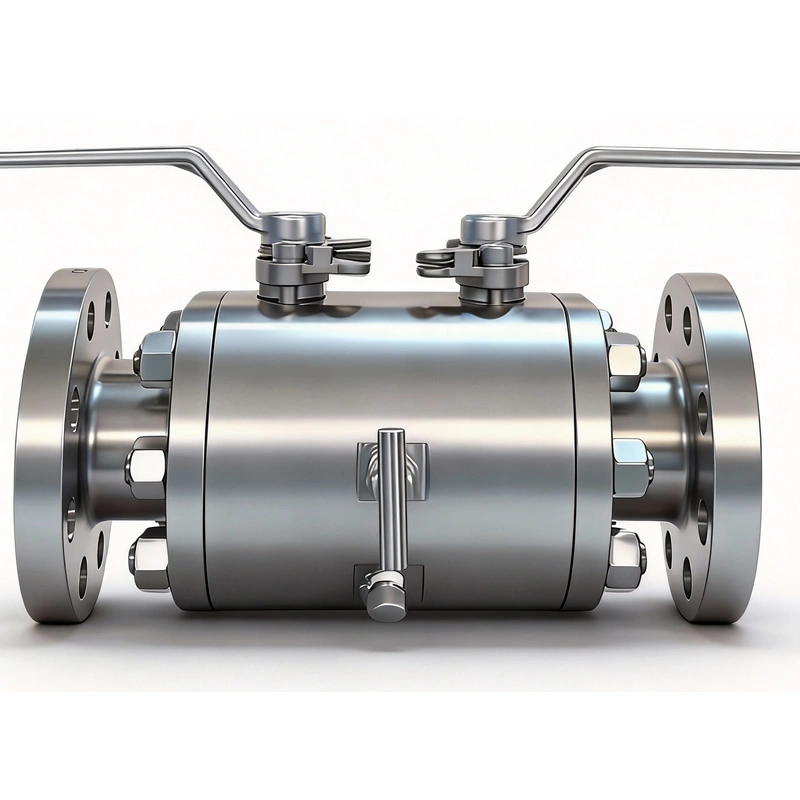
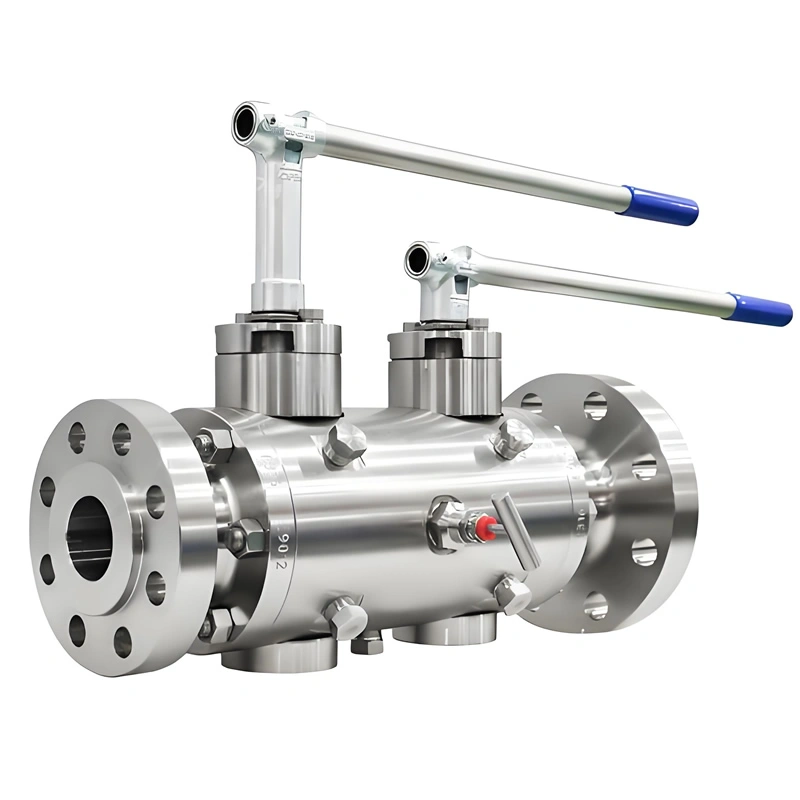
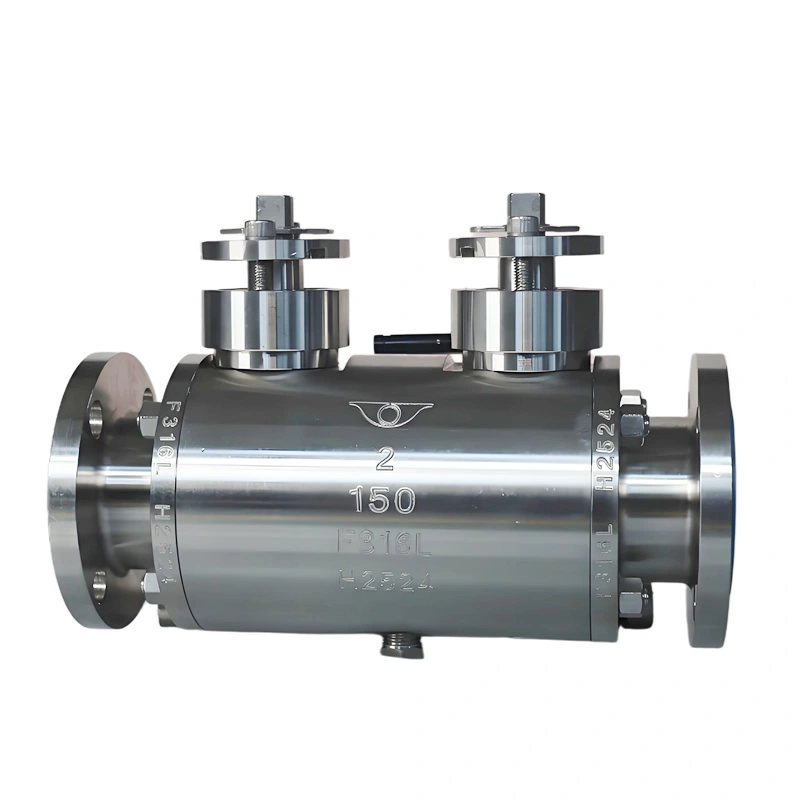
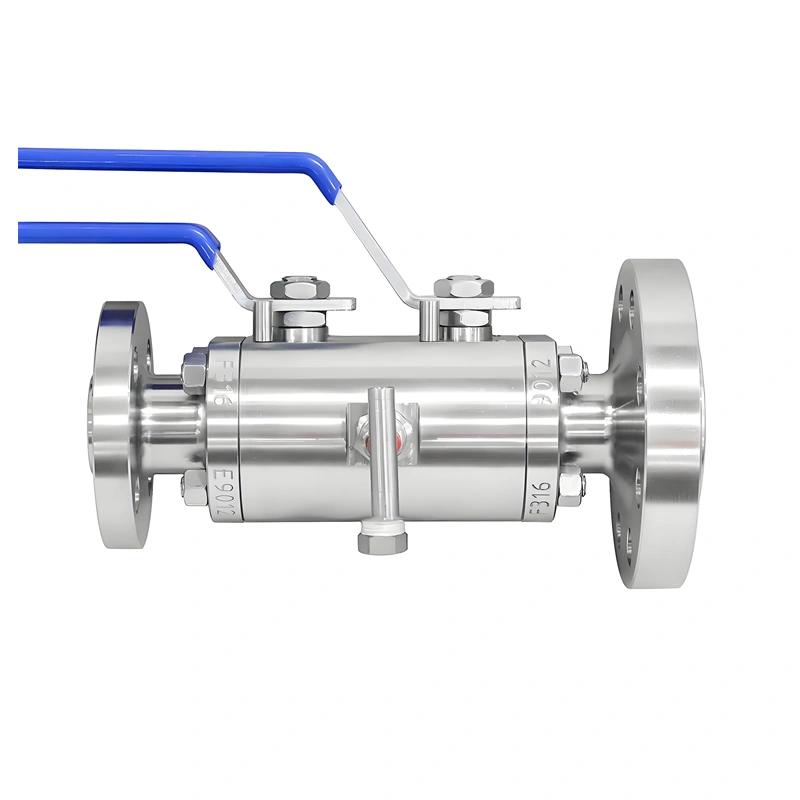
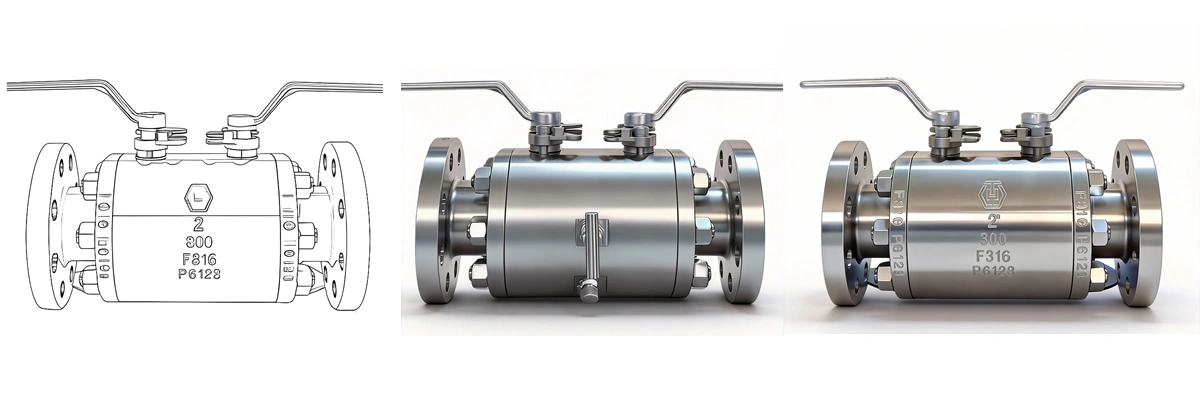
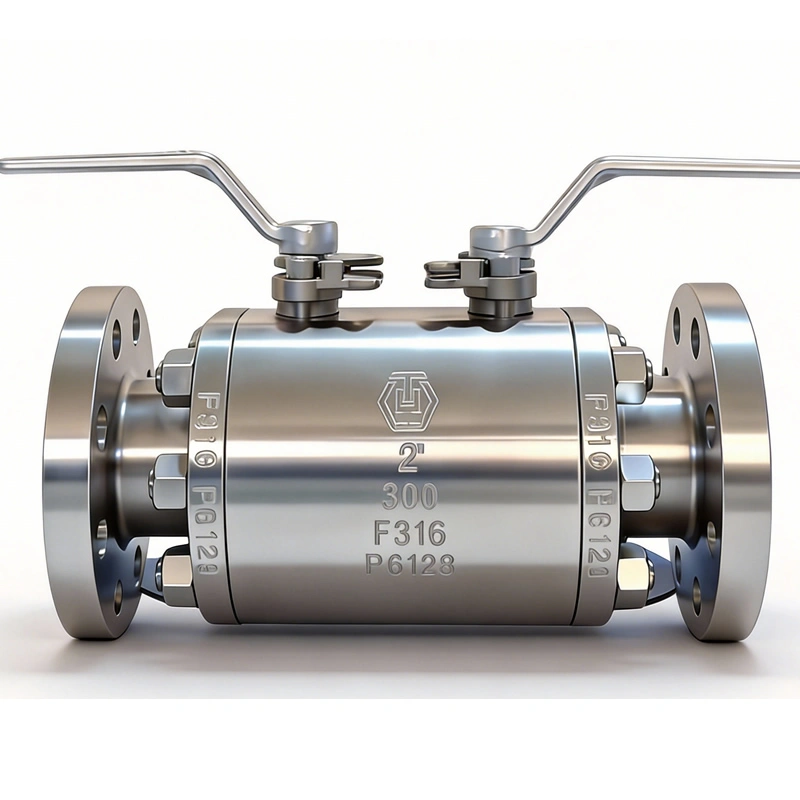
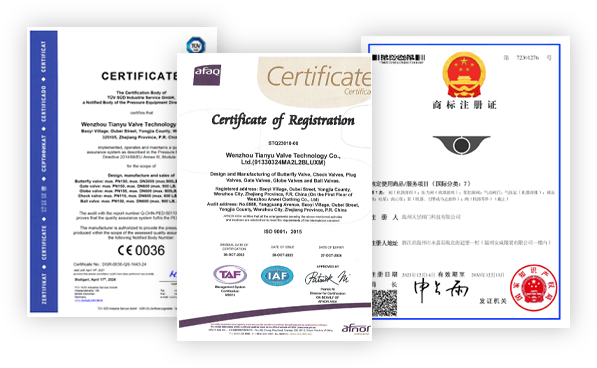
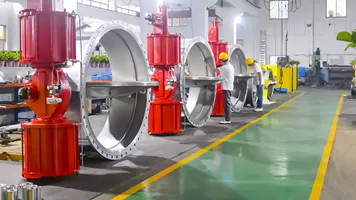
API 609 ASME B16.34 CE Certified DN50 300LB F316 Stainless Steel Body PEEK Soft Seated Flanged Connection Manual Operated DBB Double Block and Bleed Ball Valve by TIANYU
I. Product Overview & Core Specifications
The TIANYU DBB double block and bleed ball valve represents a specialized solution for critical fluid isolation and pressure management in process industries, engineered to deliver uncompromising safety and reliability in high-demand applications. Designed with a nominal diameter of DN50, this valve is optimized for medium-flow pipeline systems where precise isolation and controlled bleed-down are essential to maintenance efficiency and operational safety. Rated for a pressure class of 300LB, it operates reliably at pressures up to 5.17 MPa, making it ideal for oil and gas, chemical processing, and pharmaceutical applications where system integrity and leak prevention are non-negotiable.
The valve body is constructed from F316 (AISI 316) stainless steel, a premium alloy selected for its exceptional corrosion resistance, high-temperature stability, and mechanical strength. F316 contains 16-18.5% chromium, 10-14% nickel, and 2-3% molybdenum, forming a passive oxide layer that protects against oxidation, pitting, and crevice corrosion in aggressive environments, including exposure to saltwater, acids, and organic solvents. This material ensures the valve maintains structural integrity and performance over decades of service, even in harsh offshore or chemical processing conditions.
Complementing the robust body, the valve seat is fabricated from PEEK (Polyether Ether Ketone), a high-performance thermoplastic renowned for its exceptional chemical resistance, thermal stability, and low friction properties. PEEK retains its mechanical strength at temperatures up to 260°C, resists degradation from most acids, solvents, and hydrocarbons, and exhibits self-lubricating characteristics that reduce wear and ensure consistent sealing performance. The soft-seated design achieves bubble-tight shutoff, minimizing leakage to levels compliant with ANSI/FCI Class VI standards, which is critical for preventing product loss, environmental contamination, and safety hazards.
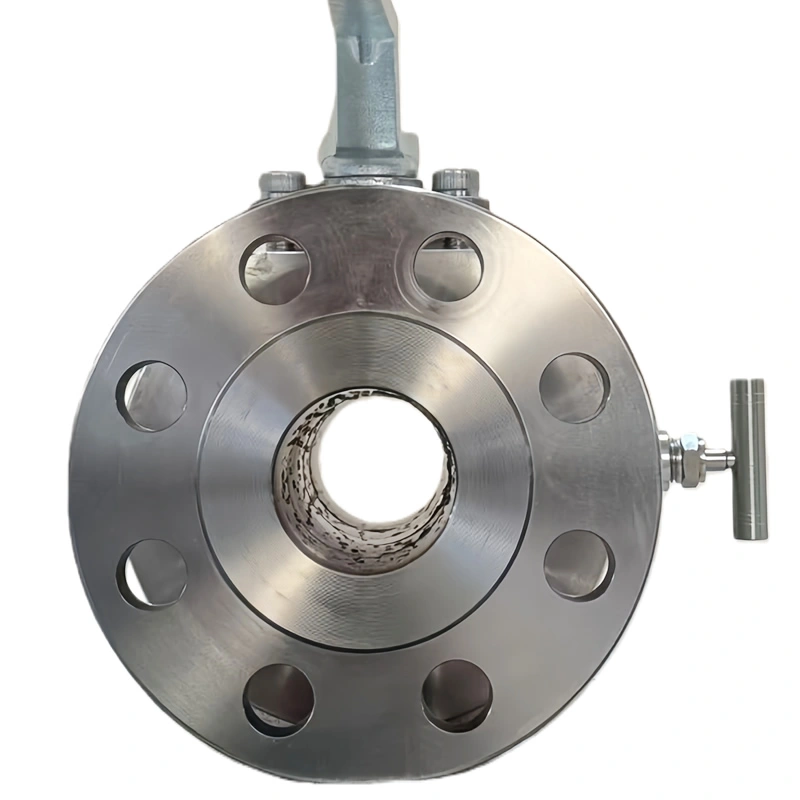
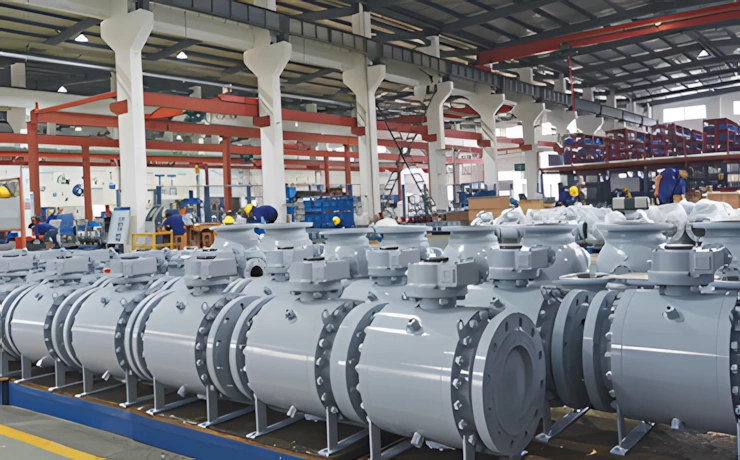
For seamless integration into pipeline systems, the valve features a flanged connection design compliant with ASME B16.5 standards. Flanged connections provide a secure, leak-proof interface, allowing for easy assembly and disassembly during maintenance or retrofitting. The standardized flange dimensions and bolt patterns ensure interoperability with existing infrastructure, reducing installation time and costs while ensuring compatibility with global piping systems.
Actuation is delivered by a precision-engineered manual handle, designed to provide intuitive, responsive control over valve positioning. The handle incorporates a positive-locking mechanism to prevent accidental operation, ensuring the valve remains in the desired position even under vibration or external forces. The ergonomic design reduces operator fatigue during frequent adjustments, while the compact footprint ensures compatibility with space-constrained installations.
II. Design Features & Functional Advantages
The TIANYU DN50 300LB DBB ball valve incorporates innovative design elements that elevate its performance, safety, and operational efficiency beyond conventional isolation valves.
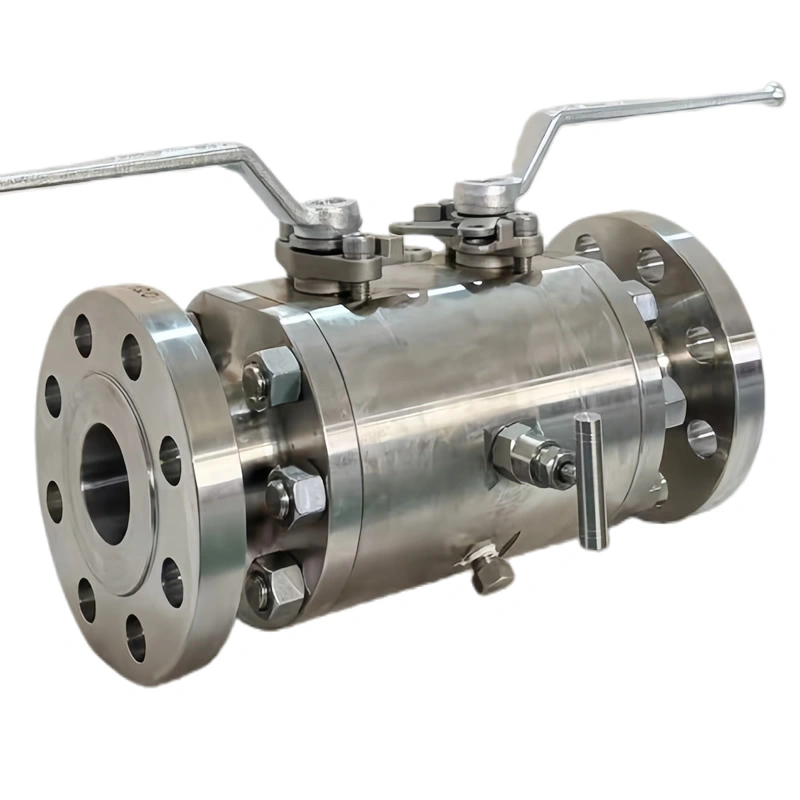
At the core of its design is the double block and bleed (DBB) functionality, which enables simultaneous isolation of fluid flow from both upstream and downstream sources, while providing a dedicated bleed port to vent trapped pressure or fluid between the two isolation points. This eliminates the need for multiple valves to achieve isolation and bleed-down, reducing system complexity, installation costs, and potential leak points. The DBB design is critical for maintenance scenarios, allowing technicians to safely depressurize and drain sections of the pipeline without risk of cross-contamination or fluid release, enhancing workplace safety and compliance with industry regulations.
The soft-seated design, utilizing PEEK seats, ensures bubble-tight shutoff across the entire operating range. The seats are engineered to conform to the ball surface under pressure, creating a tight seal that minimizes leakage even at low pressures or with viscous fluids. PEEK’s self-lubricating properties reduce friction between the ball and seat, extending service life and ensuring smooth operation over thousands of cycles. Additionally, the seats are replaceable, allowing for easy maintenance and extending the valve’s service life without full replacement.
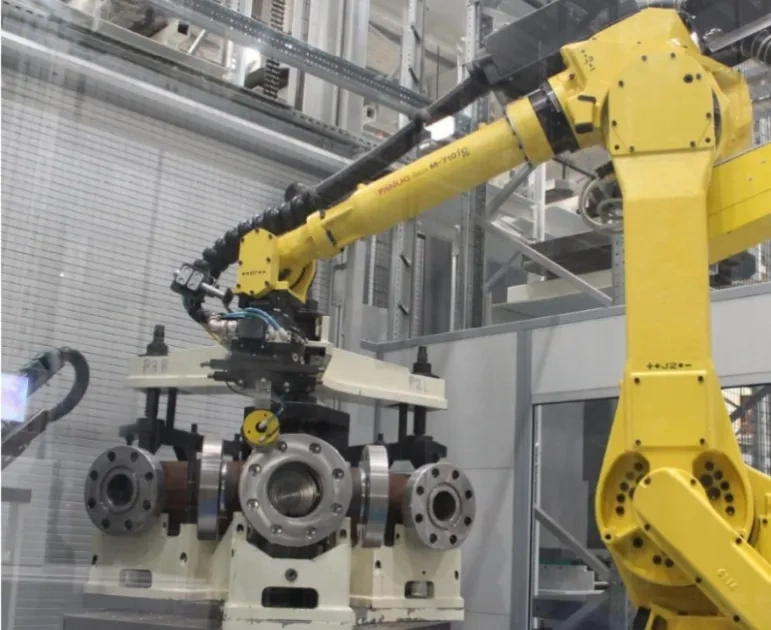
The valve body is manufactured using a hot-forging process, which enhances material density and mechanical properties, ensuring a uniform grain structure and resistance to deformation under pressure. The forging process also eliminates internal defects, such as porosity or inclusions, that could compromise structural integrity. The body’s streamlined internal geometry minimizes pressure drop and turbulence, optimizing flow efficiency and reducing energy consumption in high-throughput systems.
The manual handle incorporates a visual position indicator, providing clear, at-a-glance confirmation of the valve’s open/closed status. This reduces the risk of operator error and enhances safety by ensuring personnel can quickly verify valve position during maintenance or emergency response. The handle also features a compact, low-profile design that minimizes space requirements, making it suitable for installation in confined areas or on skid-mounted systems.
To address the risk of fire, a critical concern in oil and gas applications, the valve incorporates a fire-safe design compliant with API 607 and API 6FA standards. In the event of a fire, the PEEK seats may degrade, but the valve’s metal-to-metal backup seal ensures continued isolation of fluid flow, preventing catastrophic leakage and minimizing fire propagation. This design provides an additional layer of safety, ensuring the valve maintains integrity even under extreme thermal conditions.
The valve also features a bleed port with a threaded connection, allowing for the installation of a pressure gauge, relief valve, or drain line. This enables continuous monitoring of trapped pressure between the two isolation points, as well as controlled bleed-down of fluid during maintenance. The bleed port is positioned to ensure complete drainage of trapped fluid, reducing the risk of contamination or corrosion in the valve body.