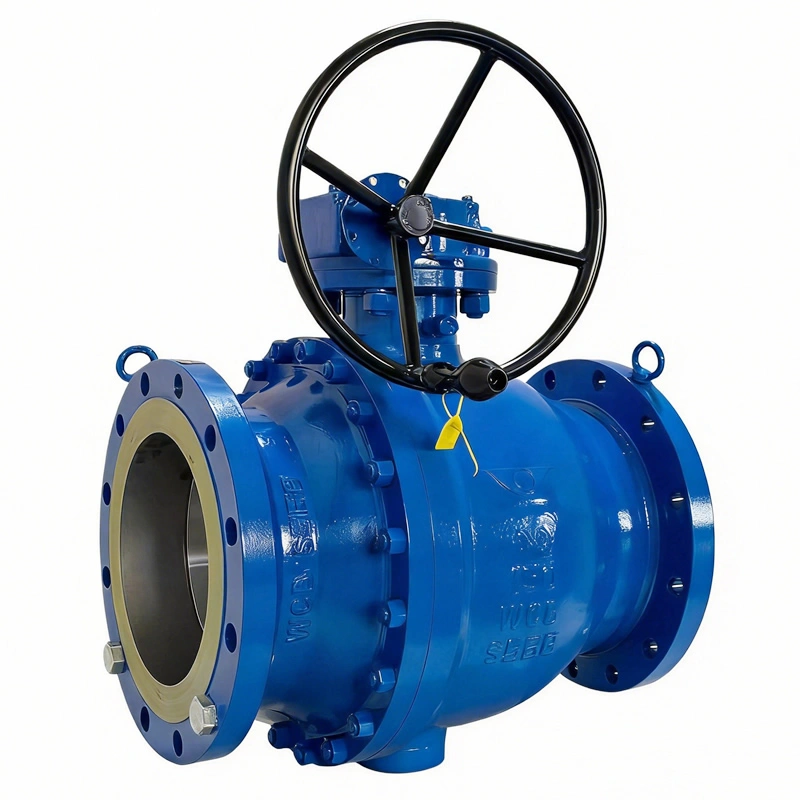
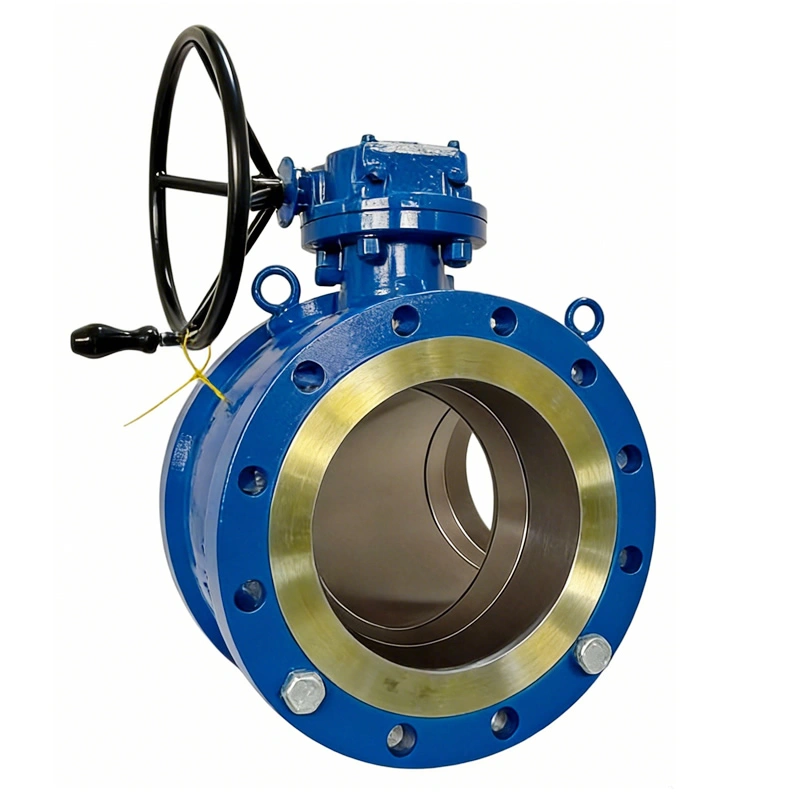
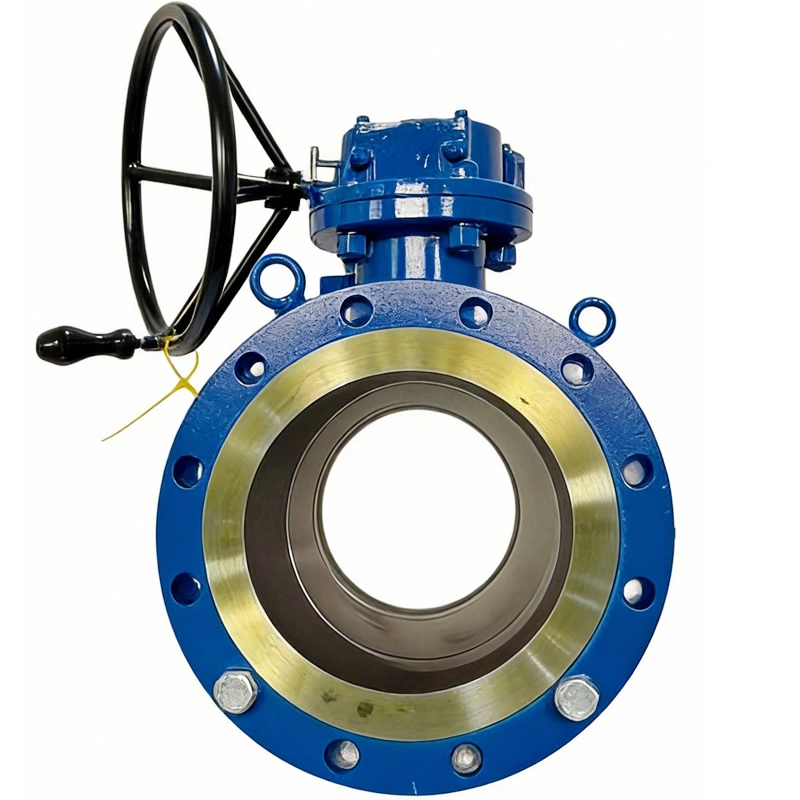
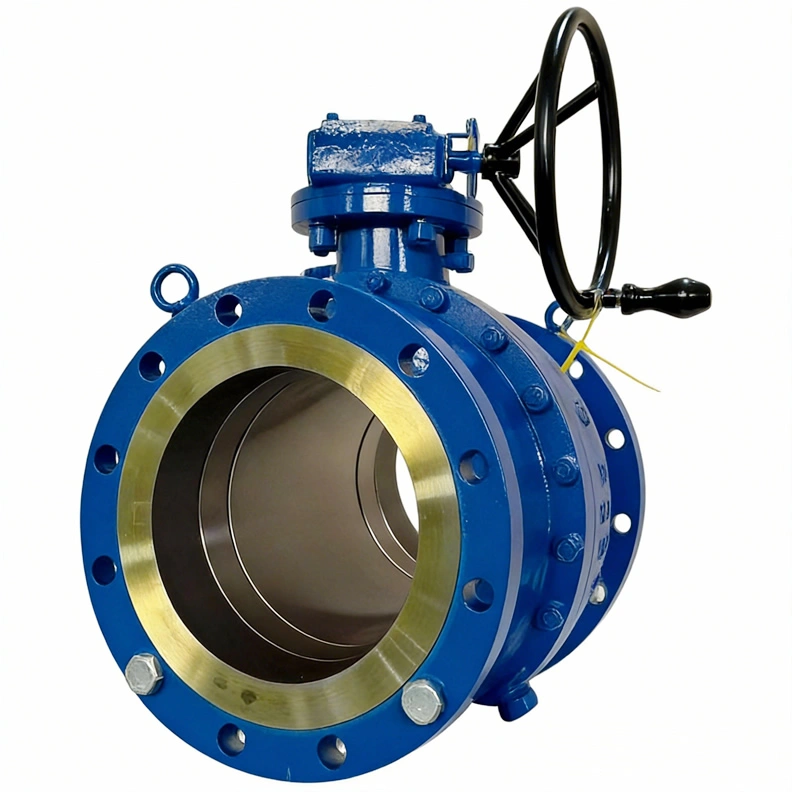
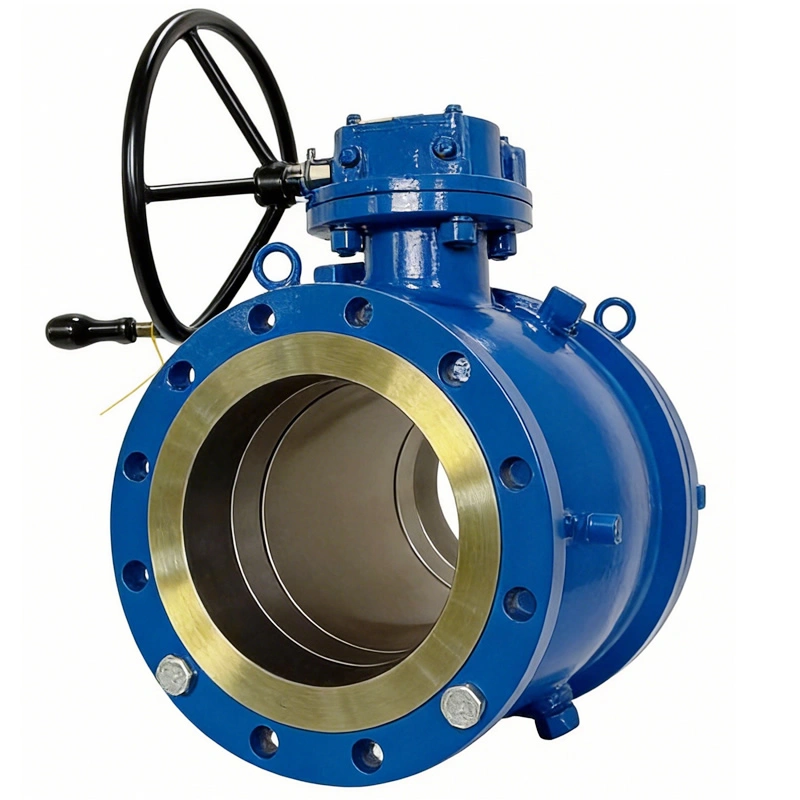
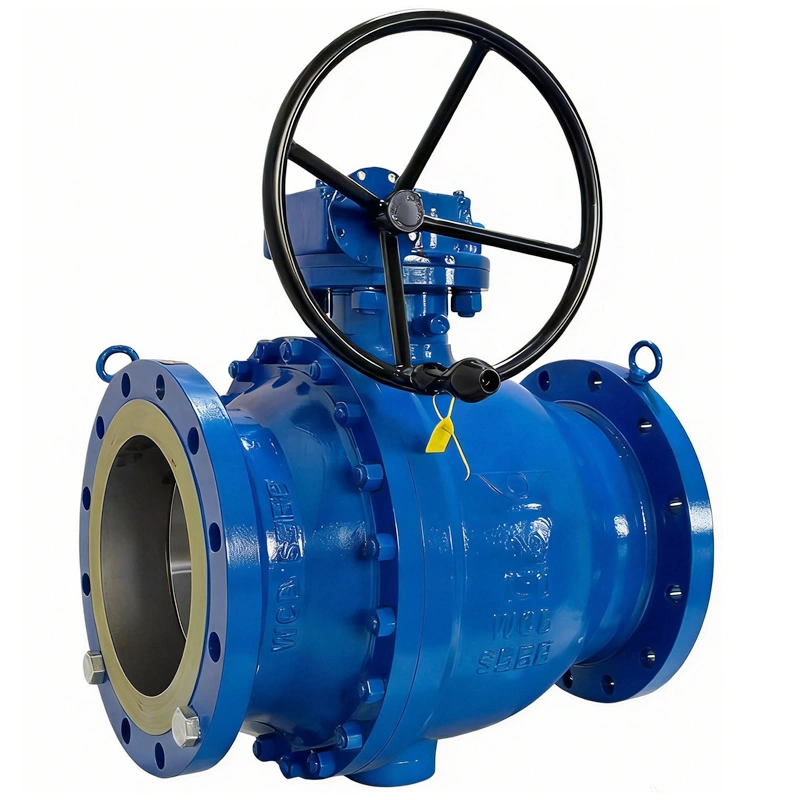
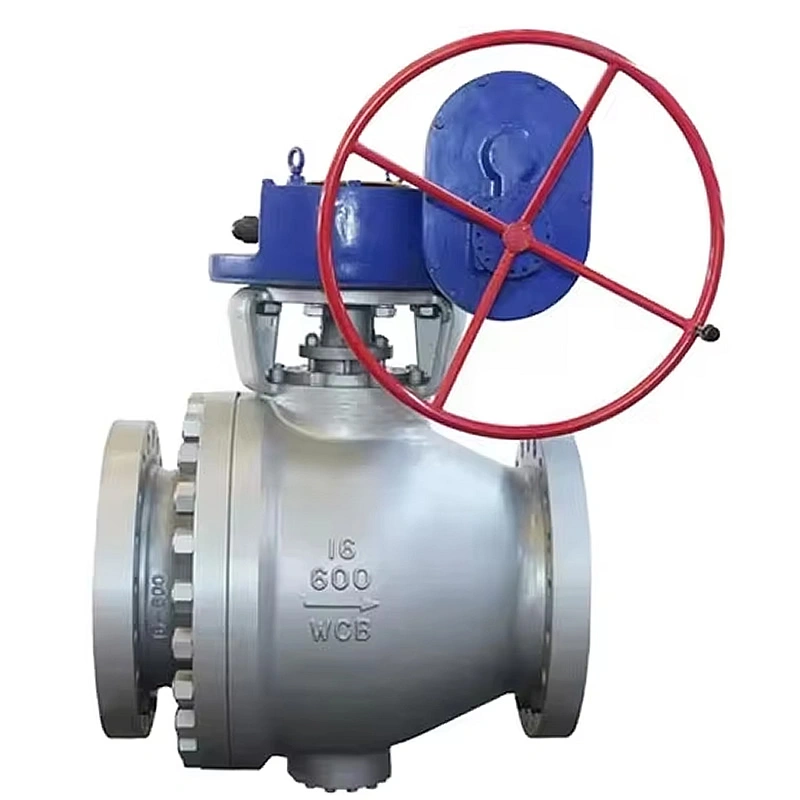
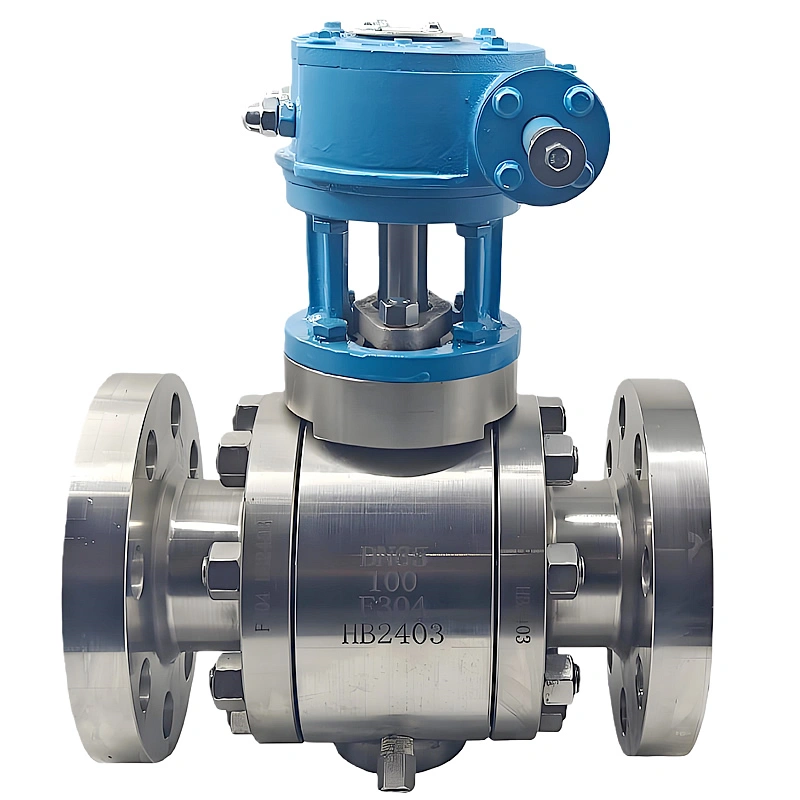
API 609 ASME B16.34 CE Certified 10” 150LB WCB Carbon Steel Body F304 Stainless Steel Seat Flanged Connection Gear Operated Trunnion Mounted Soft Seated Ball Valve by TIANYU
I. Product Overview & Core Specifications
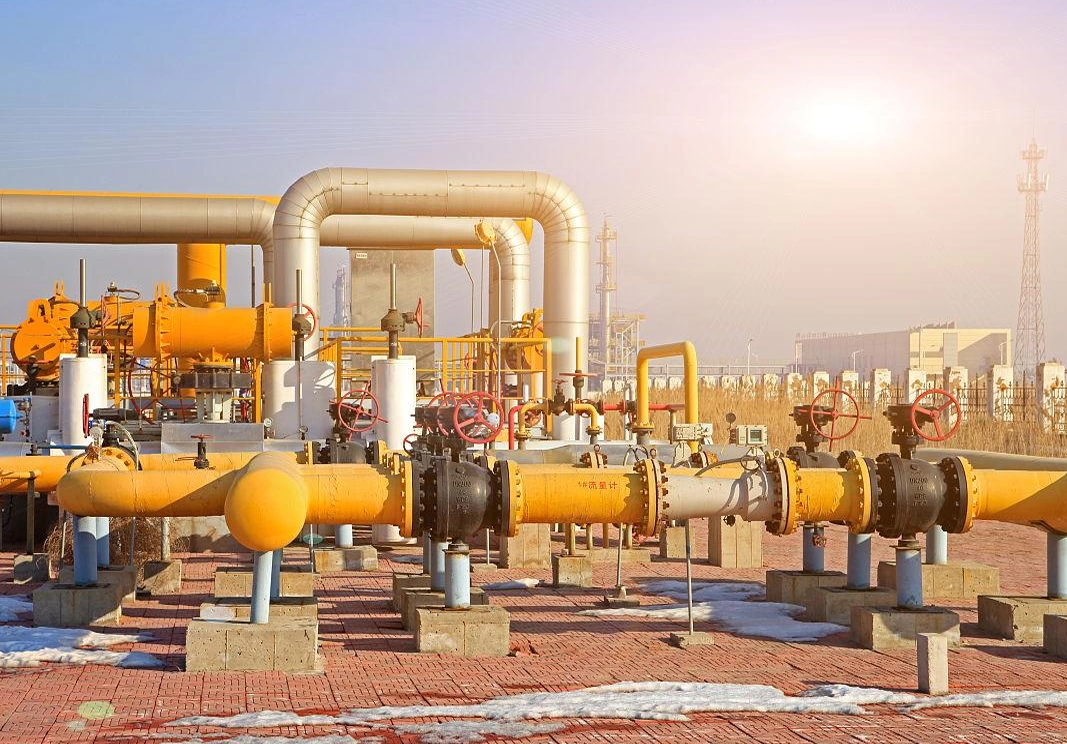
The TIANYU trunnion mounted ball valve represents a robust, precision-engineered solution for critical fluid isolation and flow control in industrial pipeline systems, designed to deliver uncompromising reliability and performance in high-demand applications. Engineered with a nominal size of 10” (DN250), this valve is optimized for medium-to-large flow rates, making it a cornerstone of oil and gas transmission, chemical processing, and power generation infrastructure. Rated for a pressure class of 150LB, it operates reliably at pressures up to 2.07 MPa, ensuring stability and leak prevention in systems where operational safety and regulatory compliance are non-negotiable.
The valve body is constructed from WCB carbon steel, a versatile material selected for its exceptional mechanical strength, impact resistance, and cost-effectiveness. Conforming to ASTM A216 standards, WCB exhibits a minimum tensile strength of 485 MPa and excellent ductility, enabling it to withstand cyclic pressure fluctuations, thermal shocks, and abrasive wear from particulate-laden fluids. This material choice ensures the valve maintains structural integrity over decades of service, even in harsh outdoor or corrosive operating conditions, while its weldability and machinability simplify installation and maintenance.
Complementing the robust body, the valve seat is fabricated from F304 (AISI 304) stainless steel, a premium alloy renowned for its corrosion resistance, temperature stability, and dimensional precision. With 18-20% chromium and 8-10.5% nickel content, F304 forms a passive oxide layer that protects against oxidation, pitting, and crevice corrosion in mild corrosive environments, including exposure to water, steam, and neutral chemicals. The soft-seated design, paired with F304’s smooth surface finish, achieves bubble-tight shutoff compliant with ANSI/FCI Class VI standards, minimizing leakage to prevent product loss, environmental contamination, and safety hazards.
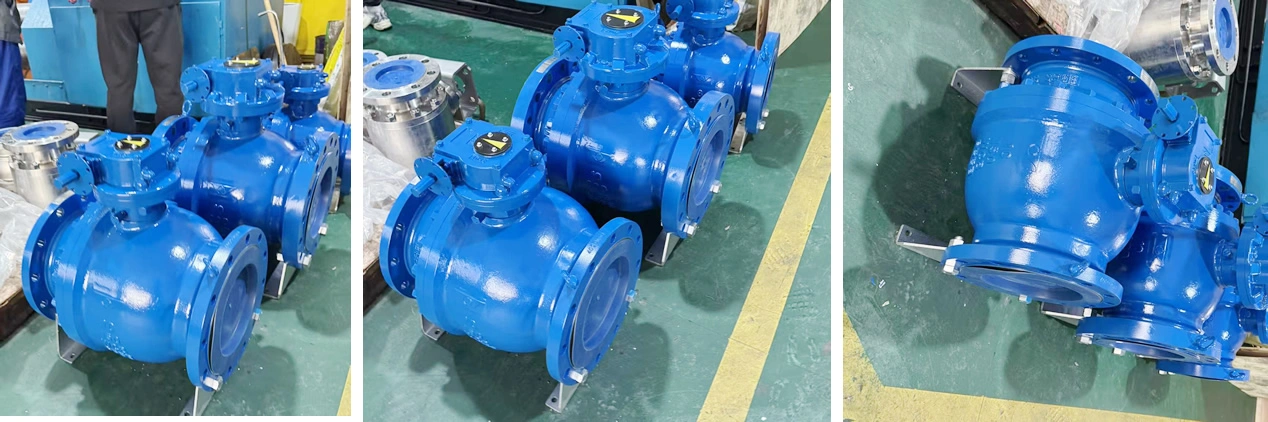
For seamless integration into pipeline systems, the valve features a flanged connection design compliant with ASME B16.5 standards. Flanged connections provide a secure, leak-proof interface, allowing for easy assembly and disassembly during maintenance or retrofitting. The standardized flange dimensions and bolt patterns ensure interoperability with existing infrastructure, reducing installation time and costs while ensuring compatibility with global piping systems.
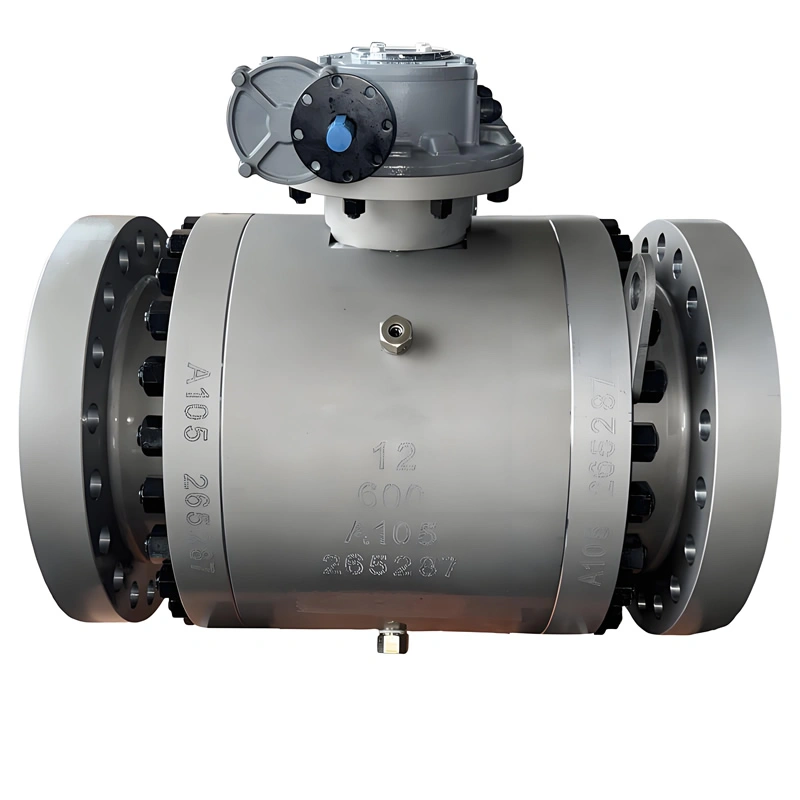
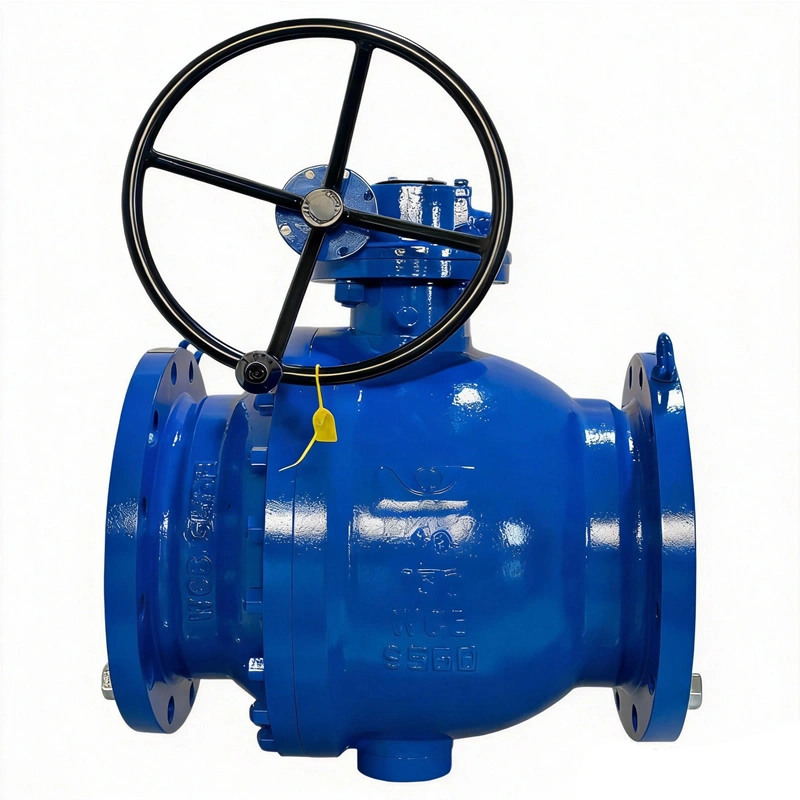
Actuation is delivered by a precision-engineered gear operator, designed to provide mechanical advantage for smooth, torque-controlled valve positioning. The gear box reduces the force required to operate the valve, enabling manual control even in high-pressure applications where direct manual operation would be impractical. The integrated handwheel features a positive-locking mechanism to prevent accidental operation, ensuring the valve remains in the desired position even under vibration or external forces. The ergonomic design of the handwheel reduces operator fatigue during frequent adjustments, while the compact footprint ensures compatibility with space-constrained installations.
II. Design Features & Functional Advantages
The TIANYU 10” 150LB trunnion mounted ball valve incorporates innovative design elements that elevate its performance, safety, and operational efficiency beyond conventional floating ball valves.
At the core of its design is the trunnion mounted configuration, which supports the ball on both upper and lower trunnions, reducing friction and wear between the ball and seats. This design distributes the fluid pressure evenly across the trunnions, eliminating the risk of ball displacement under high pressure and ensuring consistent sealing performance over thousands of cycles. Unlike floating ball valves, which rely on fluid pressure to seat the ball, the trunnion mounted design maintains a constant seal regardless of pressure fluctuations, enhancing reliability in critical isolation applications.
The soft-seated design, utilizing F304 stainless steel seats with a polymer seal insert, ensures bubble-tight shutoff across the entire operating range. The seats are engineered to conform to the ball surface under pressure, creating a tight seal that minimizes leakage even at low pressures or with viscous fluids. The polymer insert provides additional resilience, absorbing shock and vibration to maintain sealing integrity in dynamic operating conditions. Additionally, the seats are replaceable, allowing for easy maintenance and extending the valve’s service life without full replacement.
The valve incorporates an anti-blowout stem design, a critical safety feature that prevents the stem from being ejected from the body under high fluid pressure. The stem is secured by a mechanical retainer, ensuring it remains in place even if the primary seal fails, reducing the risk of catastrophic leakage and personnel injury. The stem also features a double-seal design, with both primary and secondary packing glands to prevent fugitive emissions, ensuring compliance with ISO 15848-1 standards for low-emission valves.
To address the risk of fire, a critical concern in oil and gas applications, the valve incorporates a fire-safe design compliant with API 607 and API 6FA standards. In the event of a fire, the polymer seal insert may degrade, but the valve’s metal-to-metal backup seal—formed by the F304 seat and stainless steel ball—ensures continued isolation of fluid flow, preventing catastrophic leakage and minimizing fire propagation. This design provides an additional layer of safety, ensuring the valve maintains integrity even under extreme thermal conditions.
The gear operator is equipped with a visual position indicator, providing clear, at-a-glance confirmation of the valve’s open/closed status. This reduces the risk of operator error and enhances safety by ensuring personnel can quickly verify valve position during maintenance or emergency response. The gear box also features a lubrication fitting, allowing for regular maintenance to ensure smooth operation and extend the service life of the gear train.
The valve body features a full-bore flow path, optimized through computational fluid dynamics (CFD) simulations to minimize pressure drop and turbulence. The smooth, laminar flow profile reduces energy consumption in high-throughput systems, while the full-bore configuration prevents debris accumulation, reducing the risk of clogging and extending maintenance intervals. The body’s streamlined internal geometry also minimizes erosion, ensuring long-term performance in abrasive fluid applications.