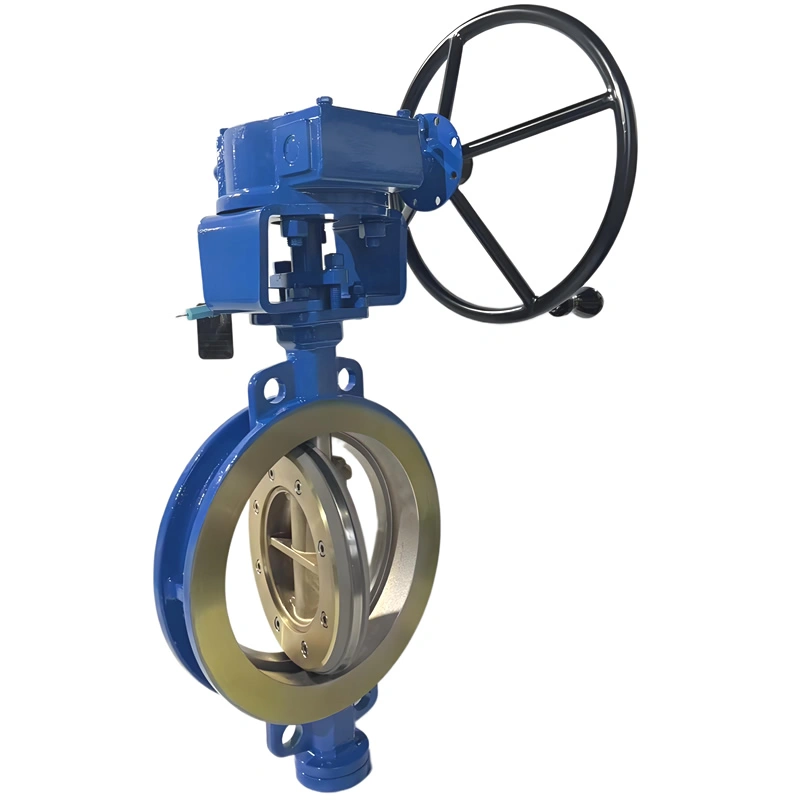
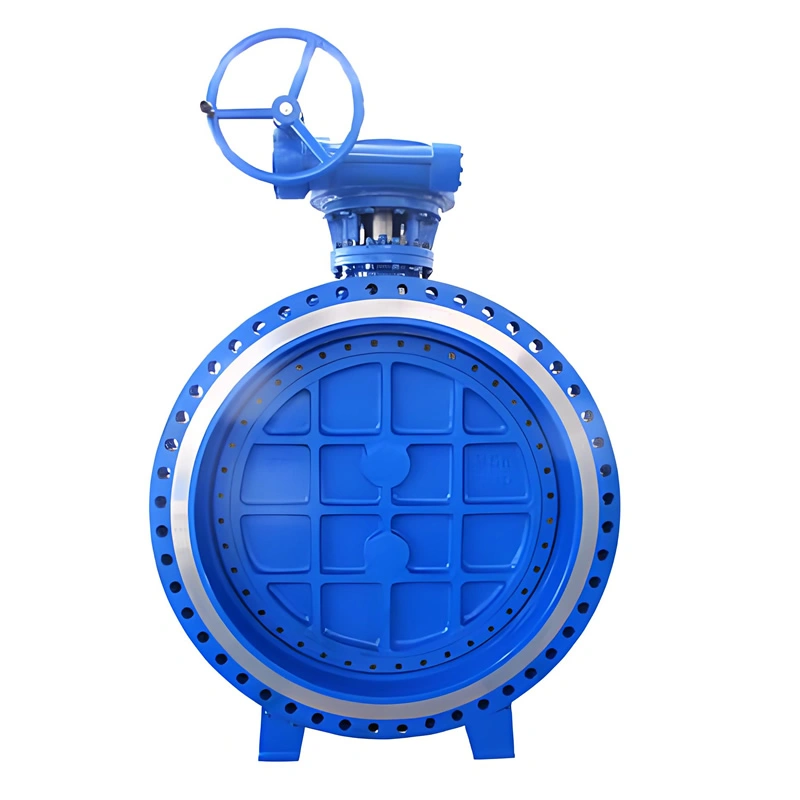
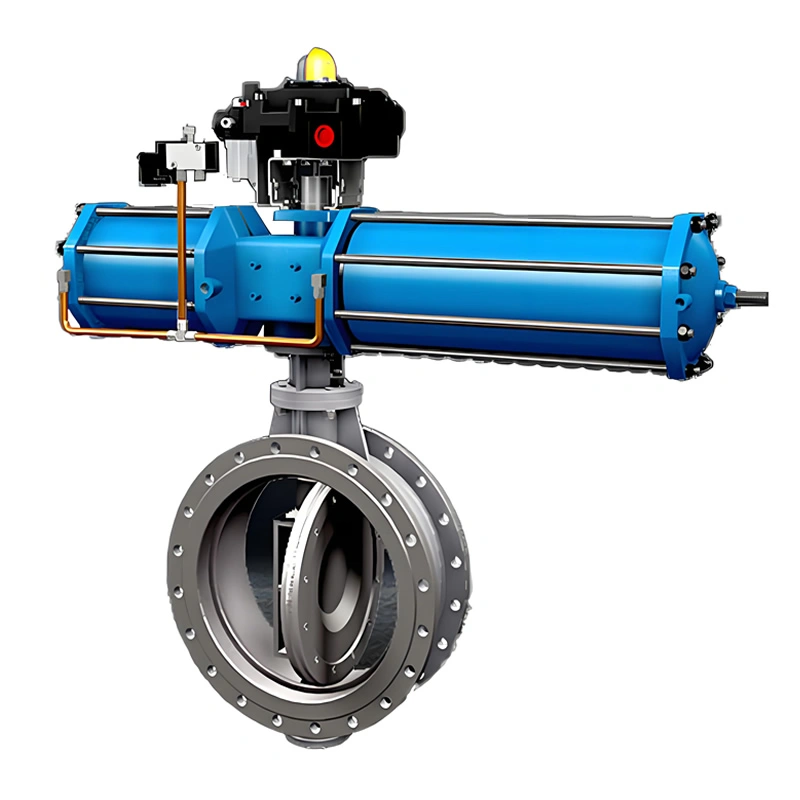
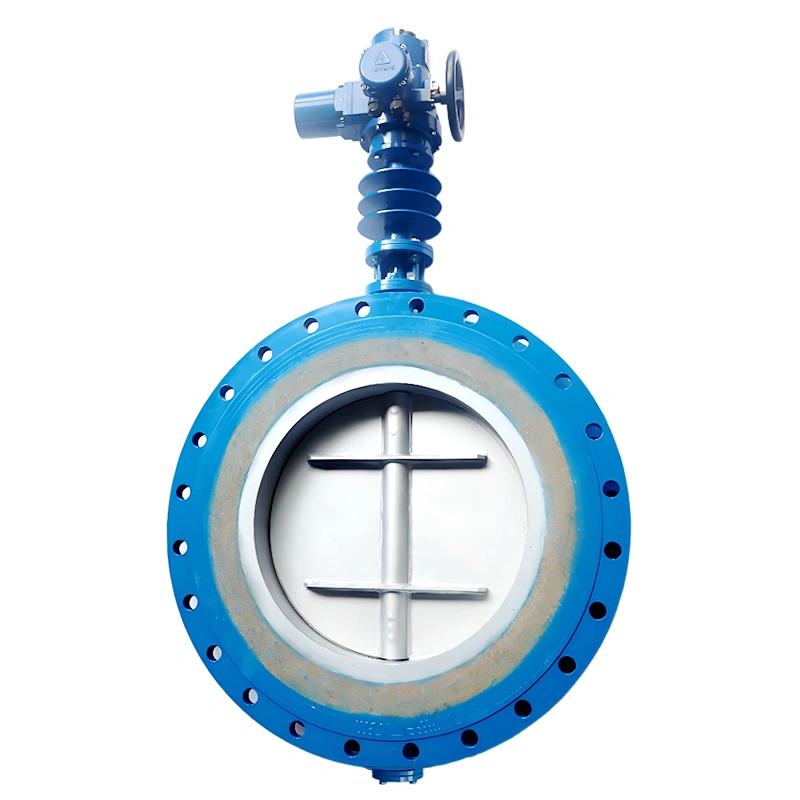
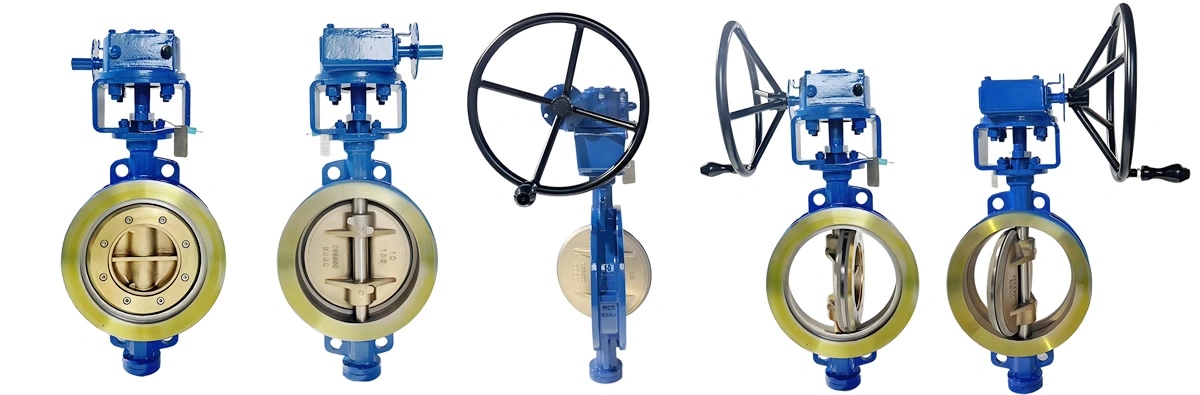
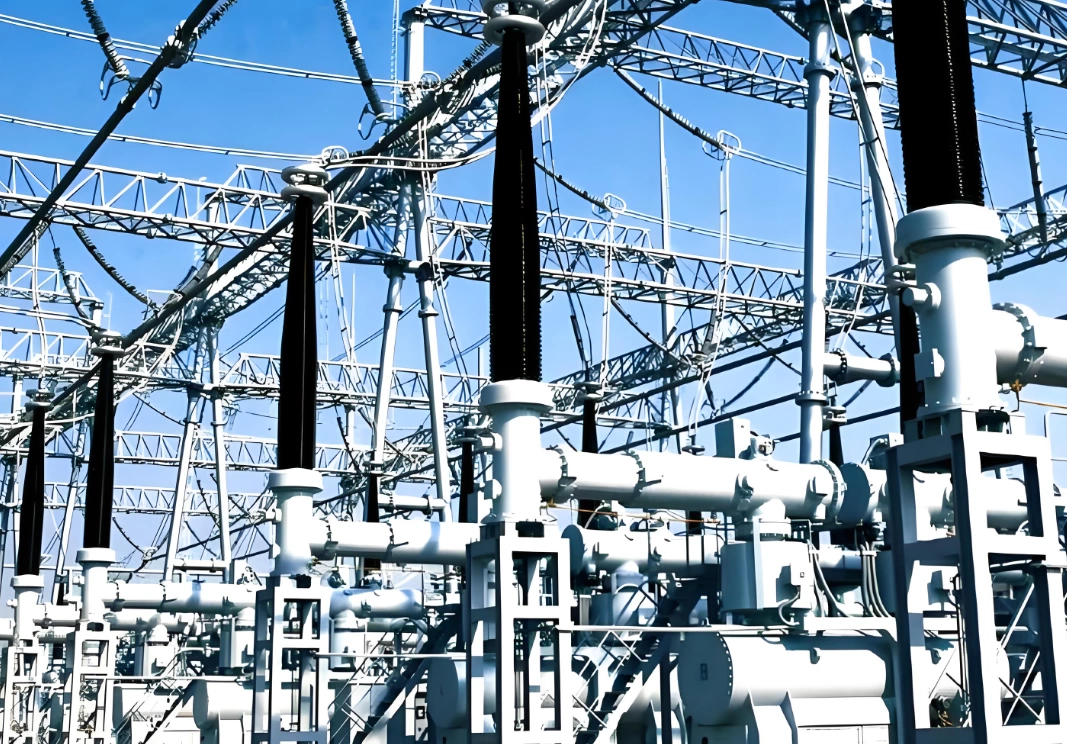
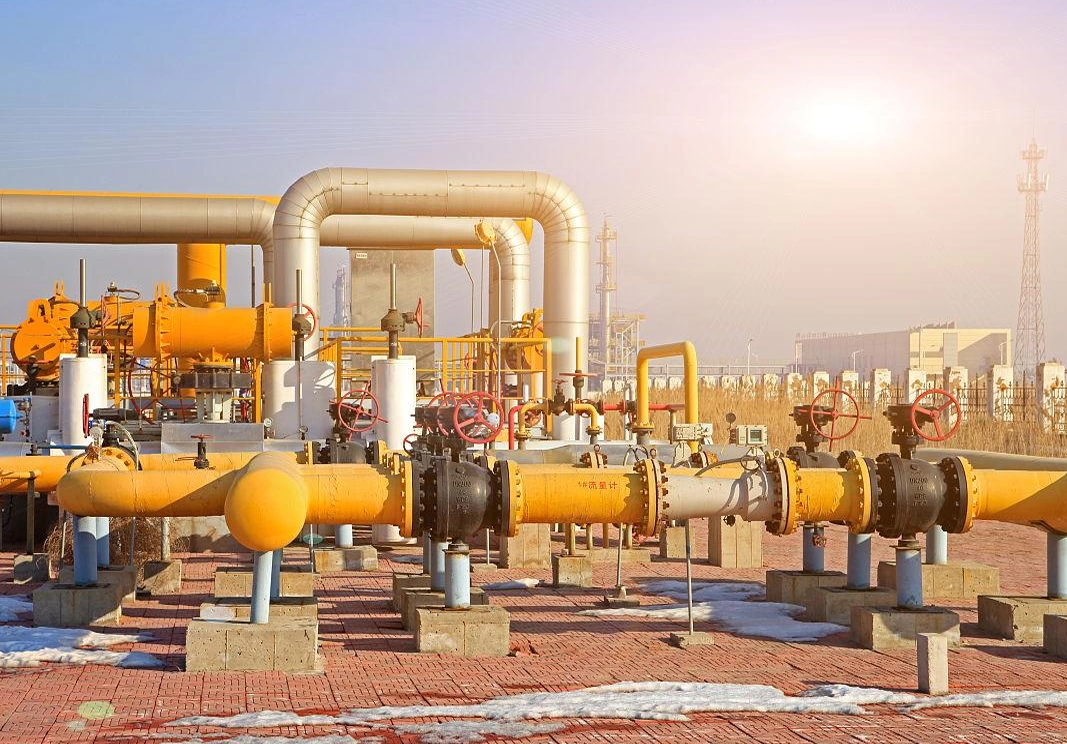
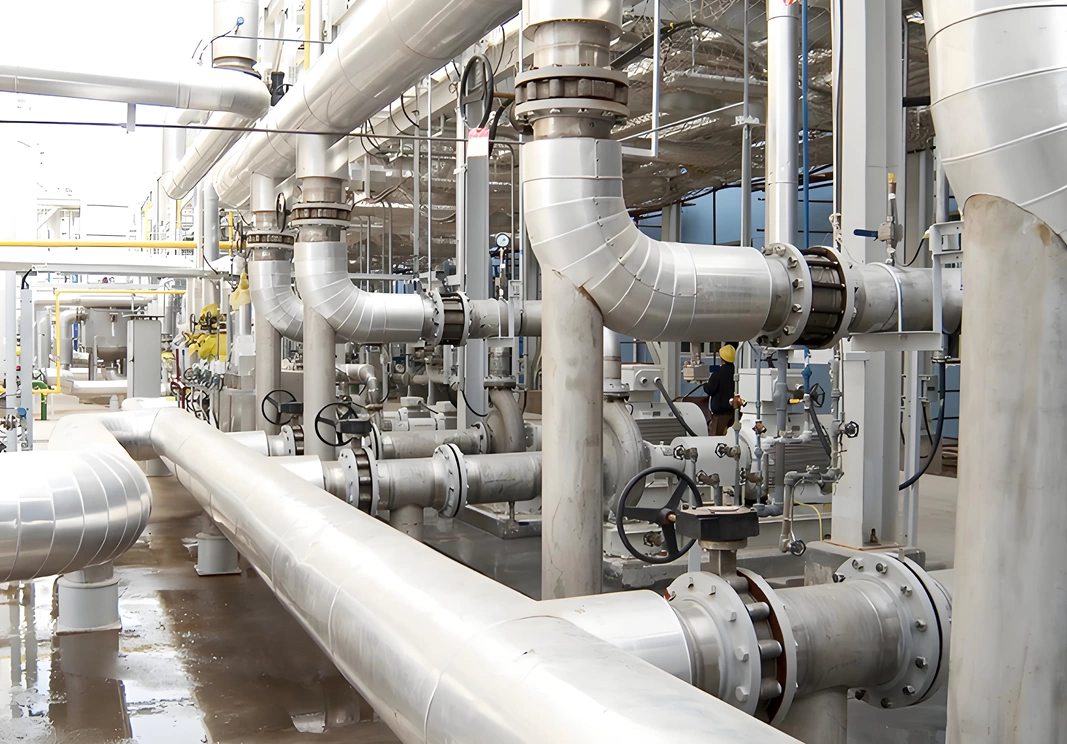
The triple offset design is the core of the valve’s performance, addressing a key limitation of concentric and double offset butterfly valves: sliding friction between the disc and seat during operation. The three eccentricities work in tandem:
- Valve Stem Offset: The stem is positioned off-center from the valve’s centerline, creating a cam-like motion as the stem rotates.
- Disc Offset: The disc is mounted off-center from the stem, ensuring it lifts away from the seat as the stem turns.
- Seat Angle Offset: The seat is machined at a slight angle (typically 3–5°) to the valve’s centerline, completing the disc-seat disengagement.
This combination means the disc makes only point contact with the seat at the fully closed position—there is no sliding or rubbing during opening/closing. In a refinery’s 10” (DN250) 150LB high-temperature steam line, this design extended seal life from 18 months (double offset soft-seal valve) to 8 years—reducing maintenance frequency and downtime.
The geometry also reduces operational torque by 40–60% compared to concentric valves. A 24” (DN600) 600LB model requires only 250 N·m of torque (via worm gear operator), enabling manual operation without specialized equipment—a critical advantage for remote pipeline sections.
The “hard-to-hard” seal system (STL seat + aluminum bronze disc) is engineered for scenarios where soft-seal valves (e.g., EPDM, PTFE) fail:
- High-Temperature Tolerance: STL retains its hardness (≥58 HRC) up to 425℃, while aluminum bronze maintains structural integrity at these temperatures. This makes the valve suitable for high-temperature steam (power plants), heated crude oil (refineries), and industrial process fluids.
- Abrasive Media Resistance: The hard surfaces resist wear from particulate-laden media, such as natural gas with sand particles (oil & gas transmission) or mineral slurry (mining). In a coal-fired power plant’s ash-handling system, the valve withstood abrasive wear for 5 years—compared to 6 months for a soft-seal alternative.
- Corrosion Compatibility: Aluminum bronze resists corrosion in seawater, saline fluids, and mild acids, while STL is immune to most industrial corrosives. This makes the valve ideal for coastal oil platforms or chemical processing lines handling chlorinated fluids.
- Fire-Safe Reliability: Unlike soft-seal valves (which melt in fires), the metal-to-metal seal complies with API 607—maintaining leakage below 0.1×DN mm³/min after 30 minutes of 750℃ exposure. This is mandatory for facilities operating under OSHA or ATEX safety regulations.
WCB carbon steel is the material of choice for the valve body due to its balance of strength, cost, and thermal stability:
- High-Pressure Strength: WCB’s tensile strength (≥485MPa) enables it to withstand pressures up to 600LB (PN100), making it suitable for mid-to-high-pressure industrial systems. In a petrochemical reactor feed line (300LB), the WCB body maintained structural integrity through 10,000+ pressure cycles.
- Thermal Stability: Annealed WCB retains its mechanical properties up to 425℃, matching the temperature range of the hard seal system. It does not soften or deform under high-heat conditions—unlike low-grade cast iron.
- Corrosion Protection: The external blue epoxy coating resists rust and environmental degradation in outdoor installations (e.g., pipeline valves exposed to rain or salt spray). For extreme corrosive environments (e.g., offshore), an optional PTFE lining can be applied to the body interior.
The wafer-type connection offers practical advantages for industrial operators:
- Space Savings: Wafer valves require 30% less axial space than flanged valves, making them ideal for crowded piping racks (e.g., refinery process units) or retrofits into existing pipeline systems with limited clearance.
- Installation Speed: The valve is clamped between two pipeline flanges with through-bolts, eliminating the need for dedicated valve flanges. This reduces installation time by 25% compared to flanged valves—critical for time-sensitive shutdowns.
- Cost Reduction: Wafer valves are 20–30% less expensive than flanged valves (due to reduced material and machining costs), while maintaining the same pressure rating and sealing performance.
Quality control begins with rigorous validation of raw materials to ensure compliance with ASTM/API standards:
- WCB Body Verification: WCB castings undergo spectral analysis (XRF) to confirm chemical composition (C: 0.25–0.35%, Mn: 0.60–1.05%) and ultrasonic testing (UT) to detect internal defects (porosity, cracks). Mechanical testing (tensile strength, impact resistance) ensures compliance with ASTM A216, documented in Material Test Reports (MTRs).
- Aluminum Bronze Disc Testing: C95400 disc blanks are tested for aluminum, iron, and nickel content (via XRF) and hardness (Brinell ≥160 HB) to confirm wear resistance. Salt spray testing (ASTM B117) verifies corrosion resistance in saline environments.
- STL Seat Validation: STL alloy is tested for cobalt and chromium content (XRF) and Rockwell hardness (≥58 HRC). A bond test confirms the STL layer adheres to the seat substrate (WCB or stainless steel) with a shear strength of ≥50MPa.
- Stem & Fastener Testing: 17-4PH stem blanks undergo tensile strength testing (≥1000MPa), while ASTM A193 B7 bolts are tested for yield strength (≥620MPa) to ensure load capacity.
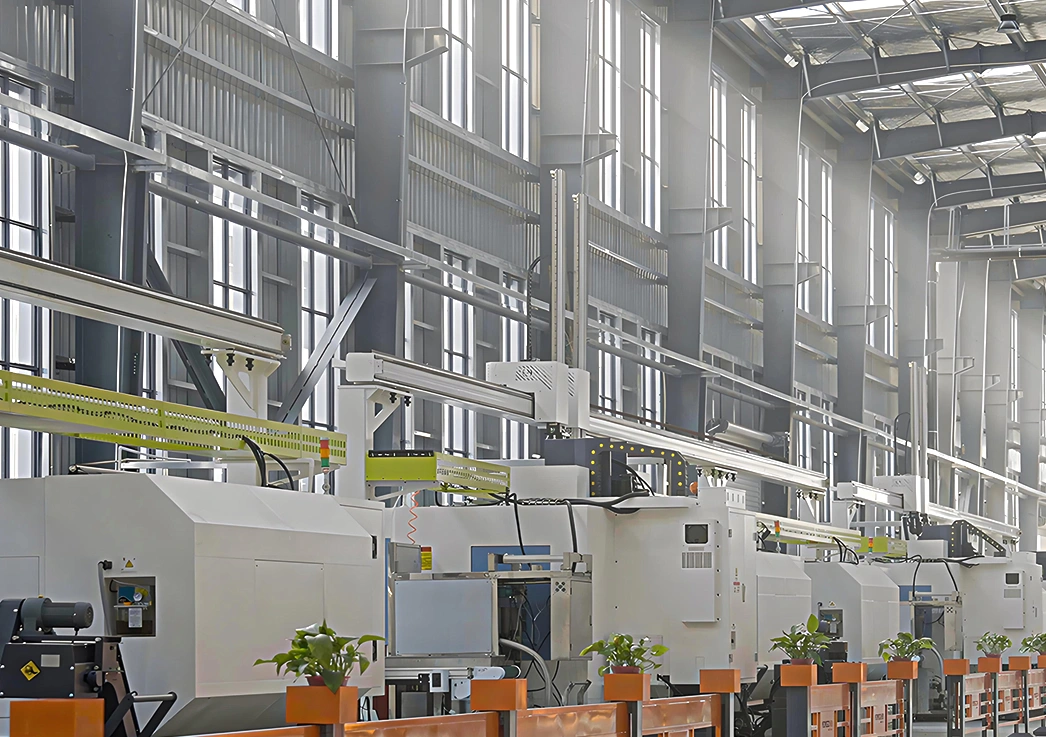
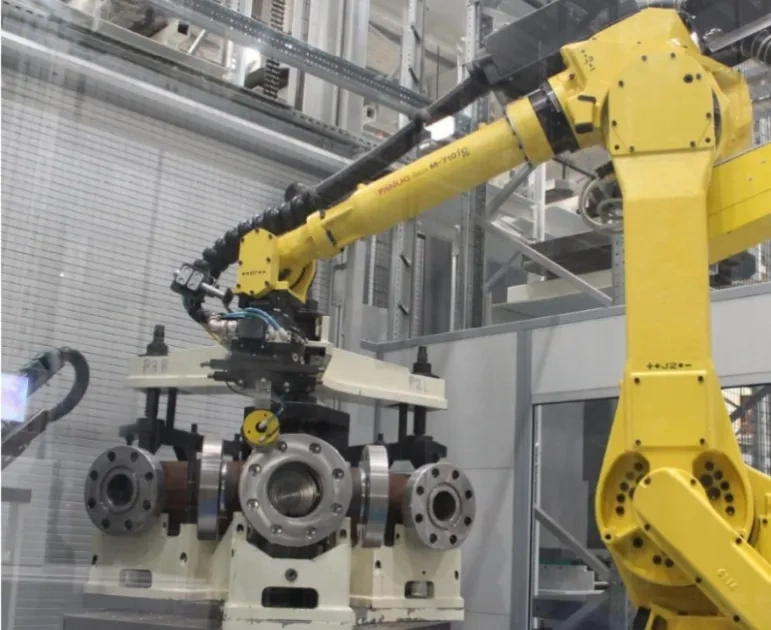
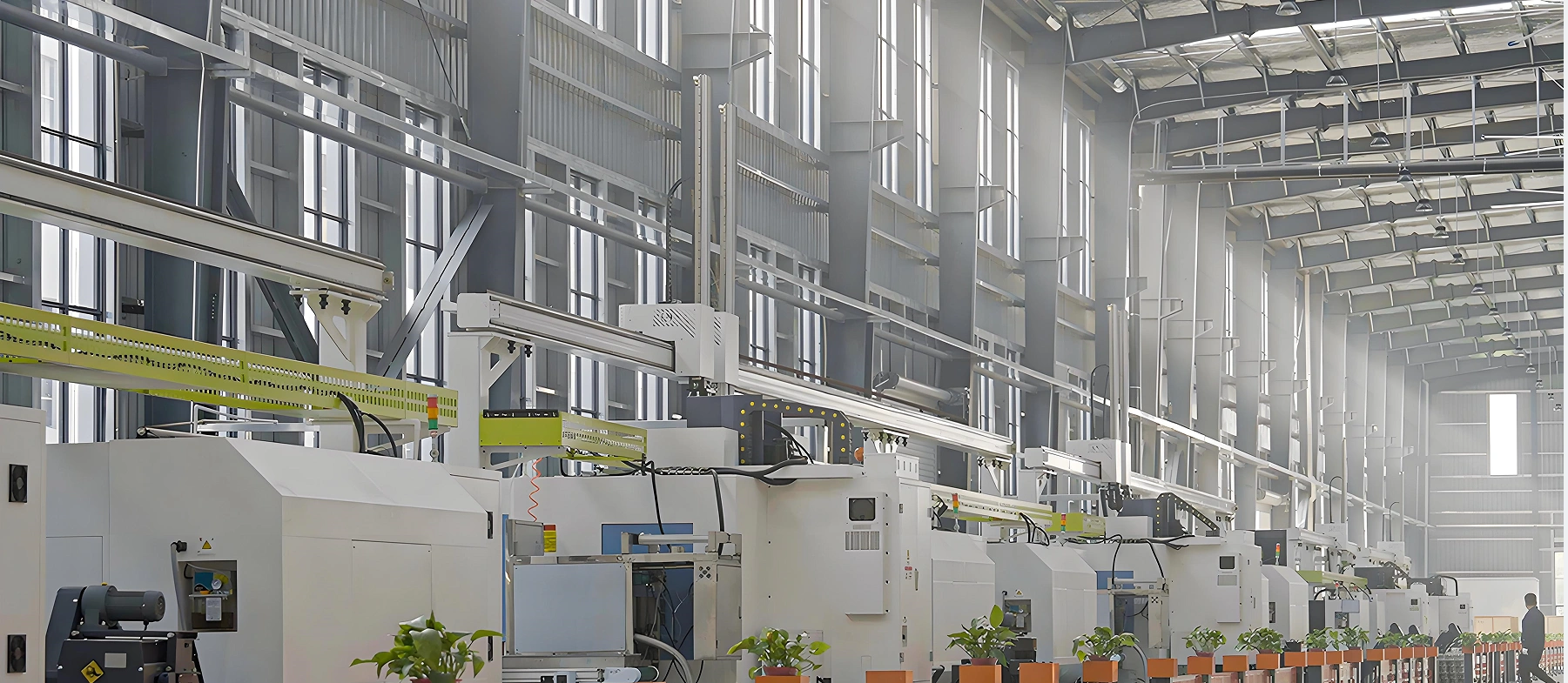
- WCB Body Machining: WCB castings are first shot-blasted to remove surface scale, then machined via 5-axis CNC centers. The wafer flange faces are precision-machined to ASME B16.5 flatness (≤0.05mm/m) and surface finish (Ra ≤3.2μm) to ensure proper gasket seating. The stem bore and seat pocket are honed to ±0.02mm tolerance to align with the triple offset geometry.
- Aluminum Bronze Disc Processing: C95400 bar stock is cut to size, then turned and milled to the triple offset disc profile via CNC lathes. The disc’s sealing surface is ground to a Ra ≤0.2μm finish to ensure uniform contact with the STL seat. Post-machining, the disc undergoes stress-relief heat treatment (300–350℃, 2 hours) to reduce internal stresses.
- STL Seat Manufacturing: The seat substrate (WCB or 316 stainless steel) is machined to the angled offset profile, then STL alloy is applied via plasma transfer arc (PTA) welding. The welded seat is ground to a Ra ≤0.2μm finish and lapped (paired with an aluminum bronze disc) to ensure a tight metal-to-metal seal.
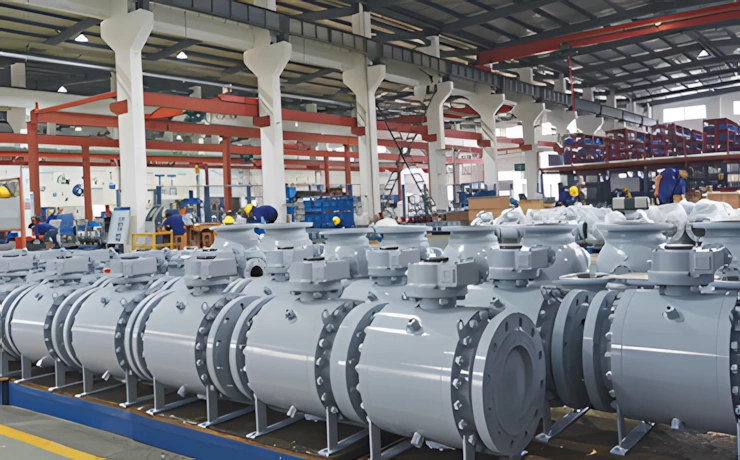
Assembly is performed in a Class 10,000 cleanroom to prevent contamination of sealing surfaces:
- Stem & Disc Assembly: The 17-4PH stem is inserted into the body, then the aluminum bronze disc is keyed to the stem. The stem packing (graphite-impregnated PTFE) is installed in layers (5–7 layers) with controlled compression (10–15%) to balance sealing and torque.
- Seat & Body Assembly: The lapped STL seat is pressed into the body’s seat pocket, with a preload applied to ensure initial sealing. The triple offset geometry is verified via coordinate measuring machine (CMM) to confirm the disc disengages from the seat during rotation.
- Actuator Mounting: Worm gear/pneumatic/electric actuators are attached via ISO 5211 flanges, with laser alignment to ensure the actuator’s drive shaft is coaxial with the valve stem (runout ≤0.05mm). This alignment prevents premature wear and ensures smooth actuation. For automated actuators, limit switches and positioners are calibrated to provide accurate position feedback.
Every valve undergoes multi-stage testing to meet API/ASME standards:
- Hydrostatic Testing (API 598):
- Shell Test: 1.5× rated pressure (e.g., 22.5MPa for 600LB) for 30 minutes, with no leakage, sweating, or deformation.
- Seat Test: 1.1× rated pressure (e.g., 16.5MPa for 600LB) for 15 minutes, with leakage measured via bubble counting (≤1 bubble/minute for ANSI/FCI Class IV).
- Operational Testing: 100 open-close cycles to verify torque consistency, actuation speed (3–5 seconds for pneumatic models), and disc-seat disengagement.
- Fire Testing (API 607): Random samples undergo 30-minute exposure to 750℃ propane flames, followed by a seat test to confirm post-fire leakage compliance.
- Non-Destructive Testing (NDT):
- Liquid Penetrant Testing (PT): For the body, disc, and seat to detect surface cracks.
- Magnetic Particle Testing (MPI): For the stem and fasteners to ensure structural integrity.
- Fugitive Emissions Testing (ISO 15848-1): The stem and body-bonnet joint are tested for methane emissions, meeting Class BH standards (≤100 ppmv).
Post-test, each valve receives a unique serial number, and documentation (MTRs, test reports, certifications) is packaged with the unit for traceability.