II. Design Features & Functional Advantages
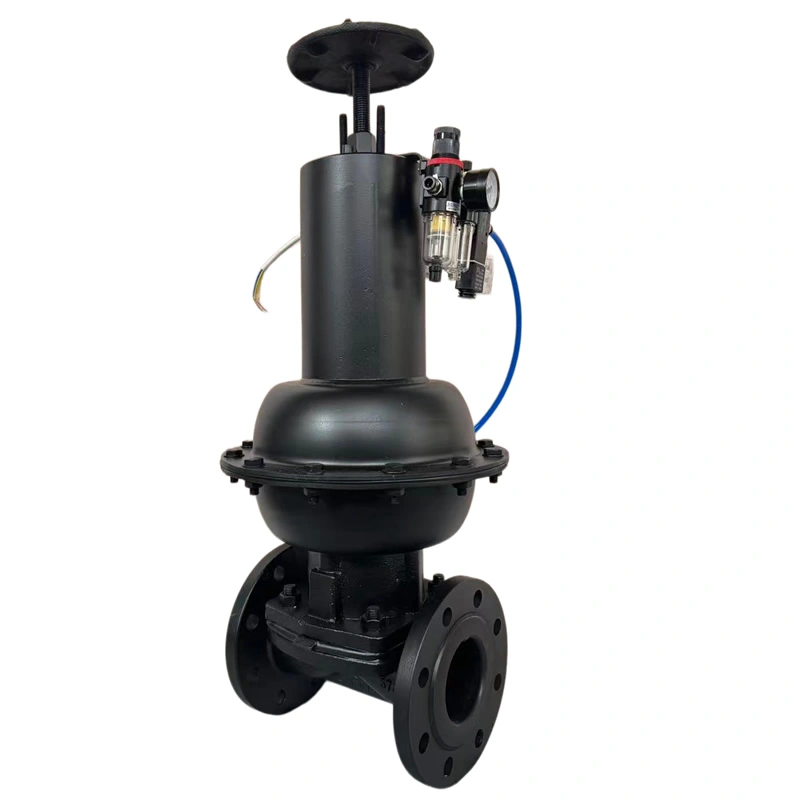
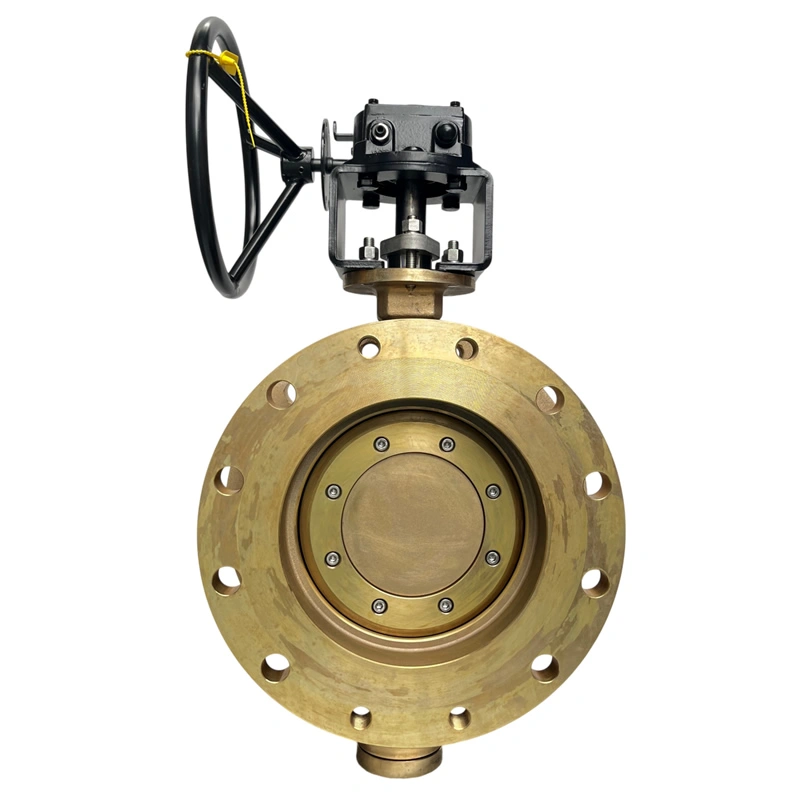
The TIANYU DN80 PN10 pneumatic diaphragm valve incorporates innovative design elements that elevate its performance, reliability, and operational efficiency beyond conventional control valves, addressing the unique challenges of industrial fluid control applications.
At the core of its design is the diaphragm mechanism, which provides a hermetic seal between the process fluid and the actuator, eliminating the risk of fugitive emissions and cross-contamination. Unlike traditional valve designs that use stems or packing glands, the diaphragm acts as both the sealing element and the actuation interface, creating a completely isolated flow path that prevents fluid from contacting the actuator components. This design eliminates the need for stem packing, a common source of leakage and maintenance in other valve types, ensuring zero leakage across the entire operating pressure and temperature range.
The EPDM diaphragm and seat offer exceptional chemical resistance and flexibility, enabling the valve to handle a wide range of fluids, including abrasive slurries, corrosive chemicals, and viscous media. The diaphragm’s flexible structure allows it to conform to irregularities in the flow path, maintaining a tight seal even in the presence of particulate matter or debris, reducing the risk of clogging and extending maintenance intervals. The soft-seated design also minimizes turbulence and pressure drop, optimizing flow efficiency and reducing energy consumption in process systems.
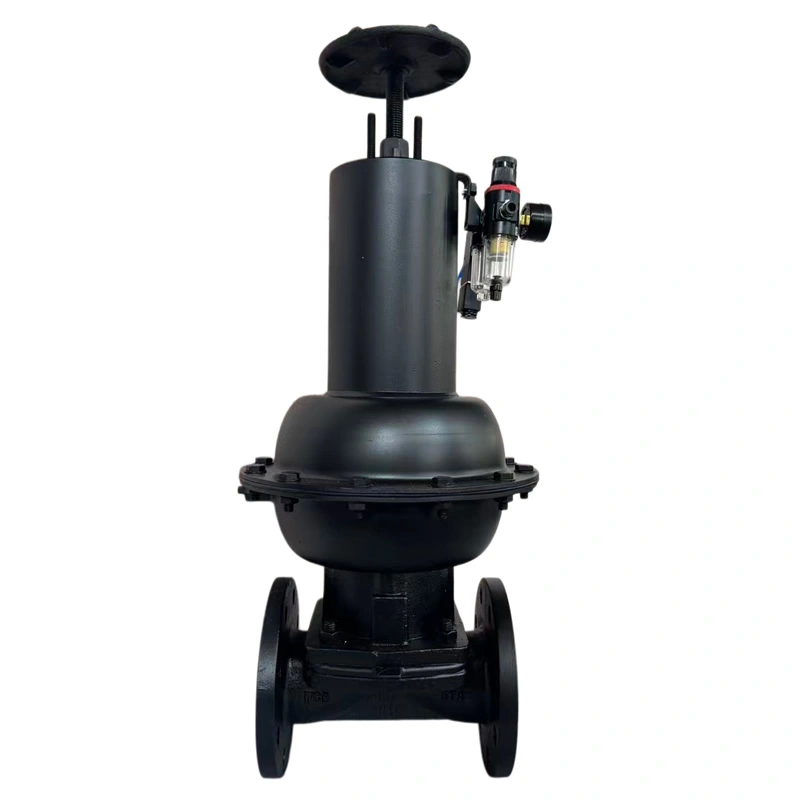
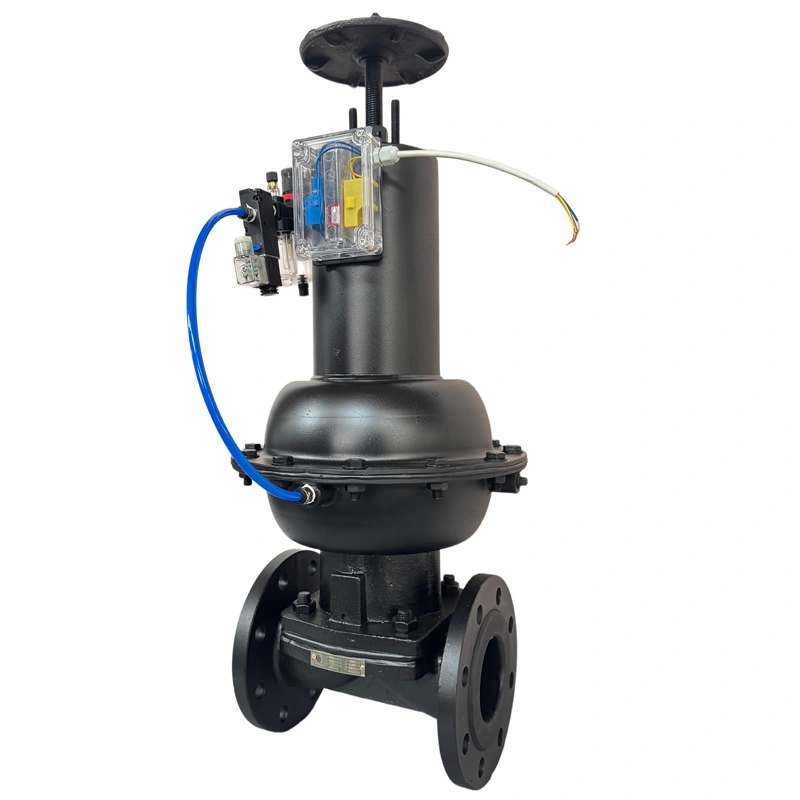
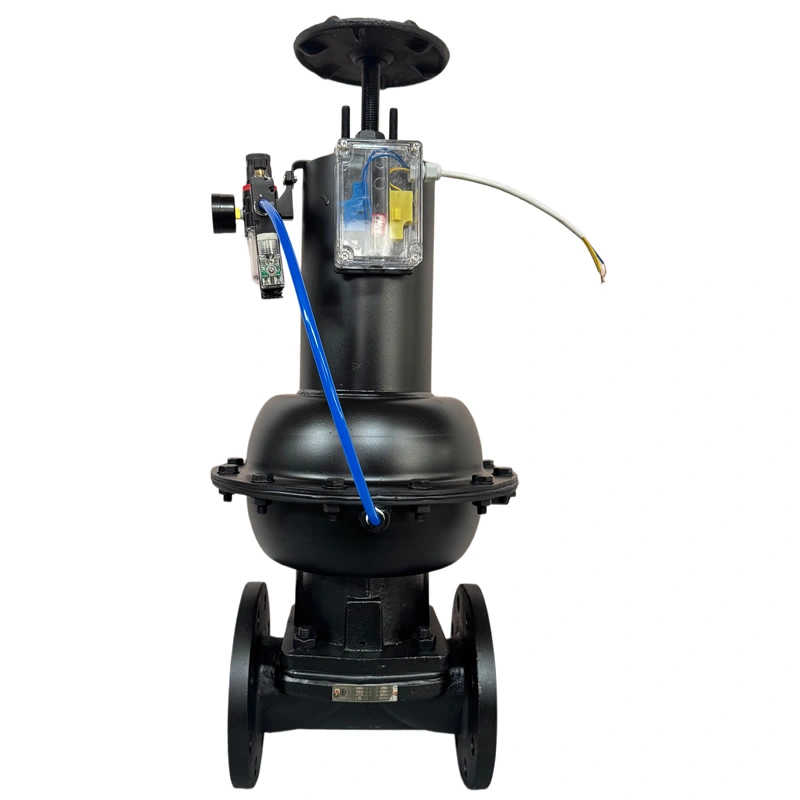
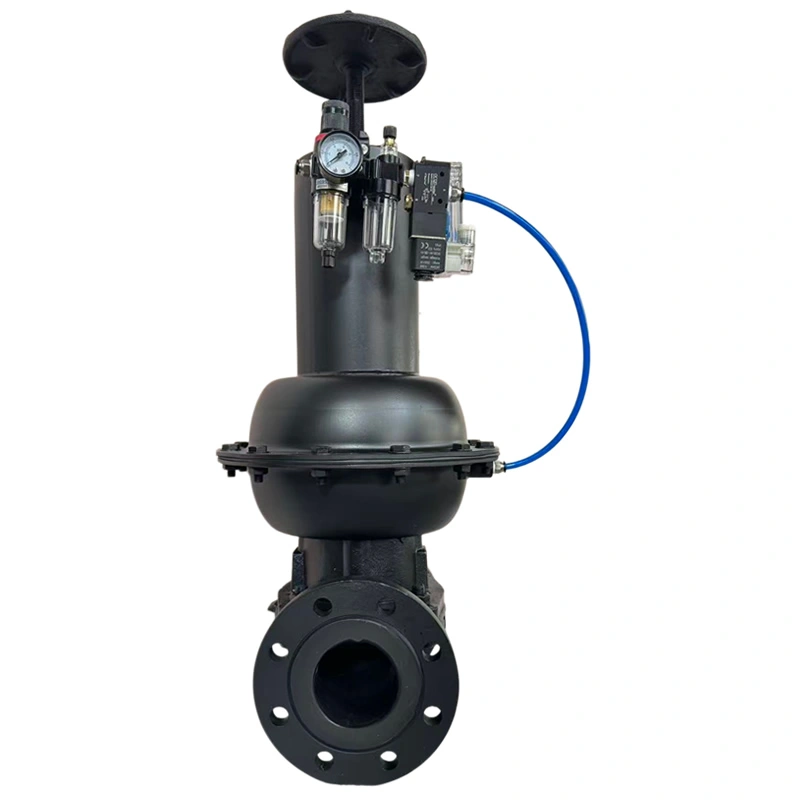
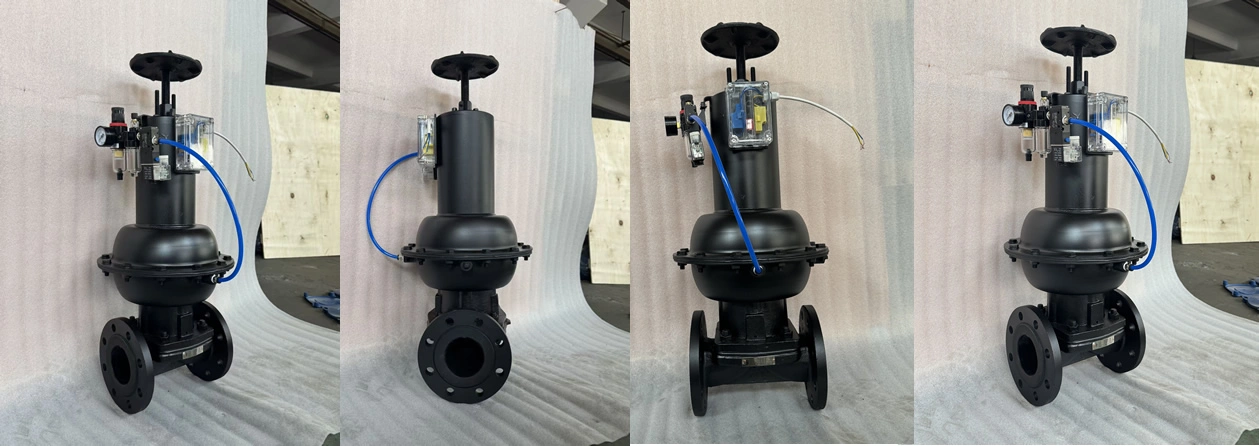
The pneumatic actuator is engineered for precise control and reliability, featuring a large diaphragm area that delivers high thrust at low air pressures, ensuring smooth, consistent actuation even at low operating pressures. The integrated solenoid valve allows for remote control and automation, integrating seamlessly with SCADA, DCS, and PLC systems for advanced process control. The position feedback unit provides real-time visibility of the valve’s open/closed status, enabling operators to monitor system performance and identify potential issues before they impact valve operation. The manual override handwheel offers a backup control option, ensuring the valve can be operated manually in the event of air supply failure or system maintenance, enhancing operational resilience.
The valve body features a streamlined, full-bore flow path that minimizes hydraulic resistance and pressure loss, optimizing flow efficiency and reducing energy consumption. The smooth internal geometry prevents debris accumulation, reducing the risk of clogging and ensuring consistent performance over time. The body’s robust construction ensures resistance to vibration and mechanical shock, making it suitable for installation in industrial environments with high levels of mechanical stress. The bolted bonnet design allows for easy access to internal components, simplifying maintenance and component replacement without removing the valve from the pipeline.
Safety and environmental protection are integrated into every design detail, starting with the fail-safe actuator functionality. In the event of an air supply failure, the actuator automatically returns the valve to a pre-defined safe position, preventing the release of hazardous fluids and ensuring system stability. The hermetic diaphragm seal eliminates fugitive emissions, meeting strict environmental regulations for industrial process systems, while the WCB carbon steel body provides exceptional fire resistance, ensuring the valve maintains structural integrity in the event of a fire. The valve’s design also incorporates a pressure relief feature, preventing overpressure damage to the actuator and valve body, further enhancing operational safety.
The valve’s modular design enables easy maintenance and component replacement, with the diaphragm and seat accessible without removing the valve from the pipeline. This reduces downtime and maintenance costs, making it an ideal choice for critical process systems where operational continuity is essential. The actuator is also modular, allowing for easy replacement of components such as the solenoid valve or position feedback unit, further enhancing the valve’s maintainability and service life.
III. Manufacturing Process & Quality Assurance
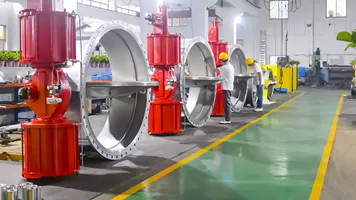
The production of the TIANYU DN80 PN10 pneumatic diaphragm valve adheres to rigorous manufacturing processes and quality control protocols, ensuring each unit meets or exceeds industry standards and customer expectations.
Body Fabrication
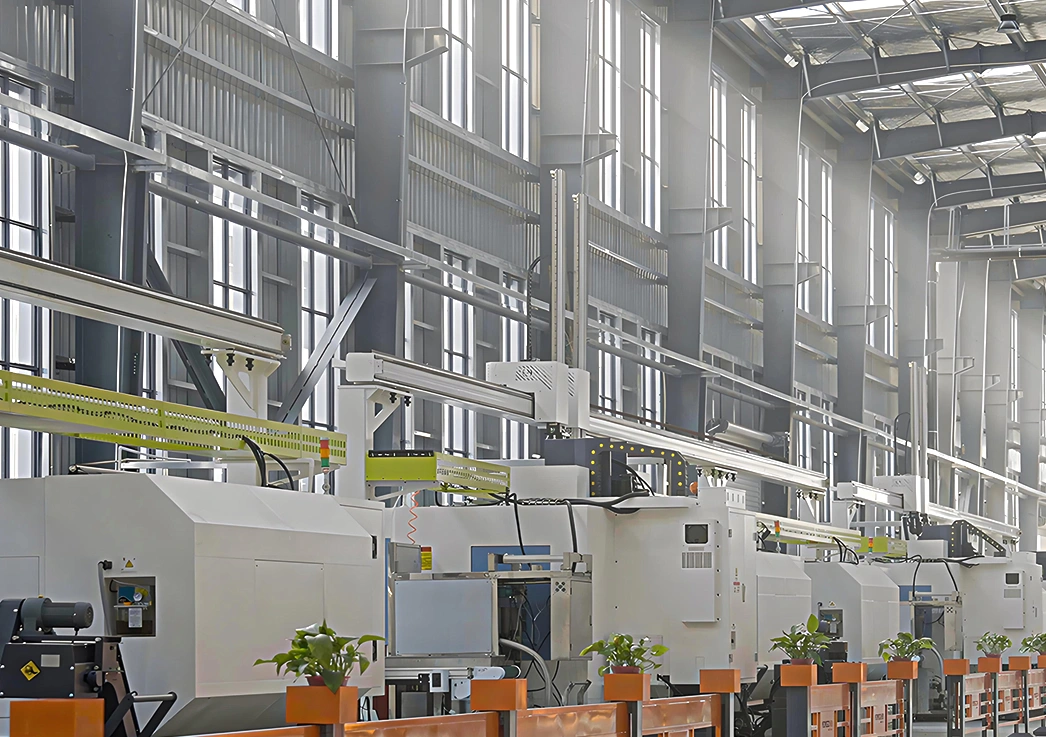
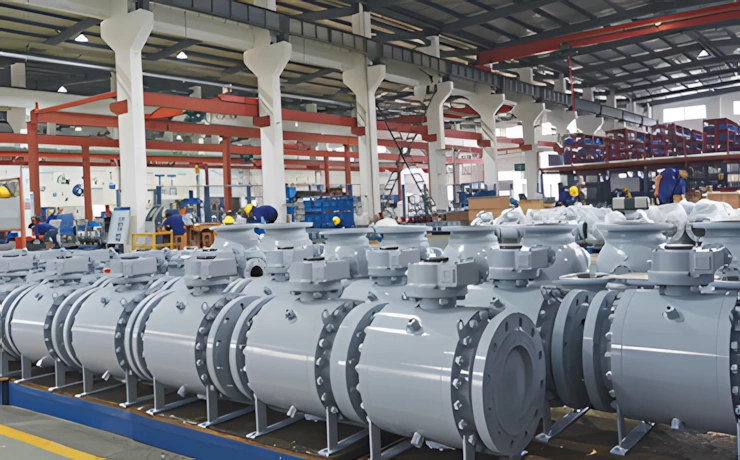
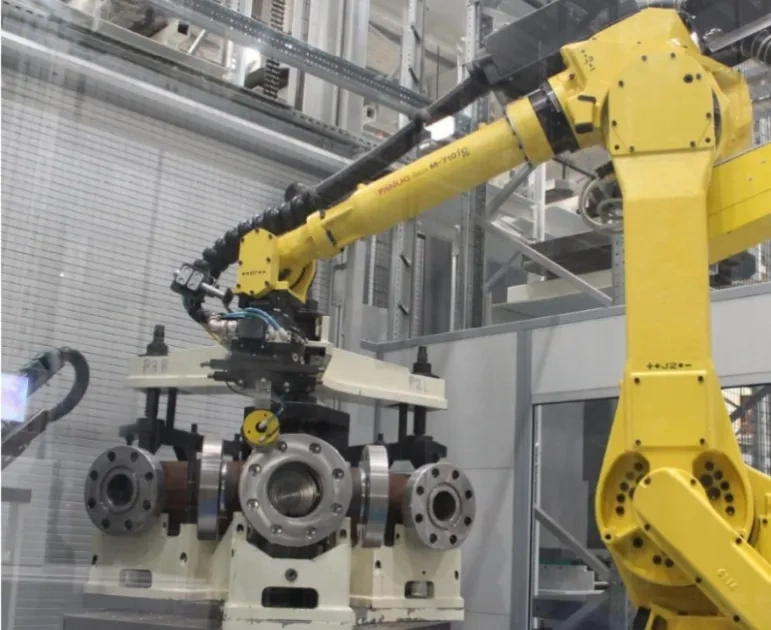
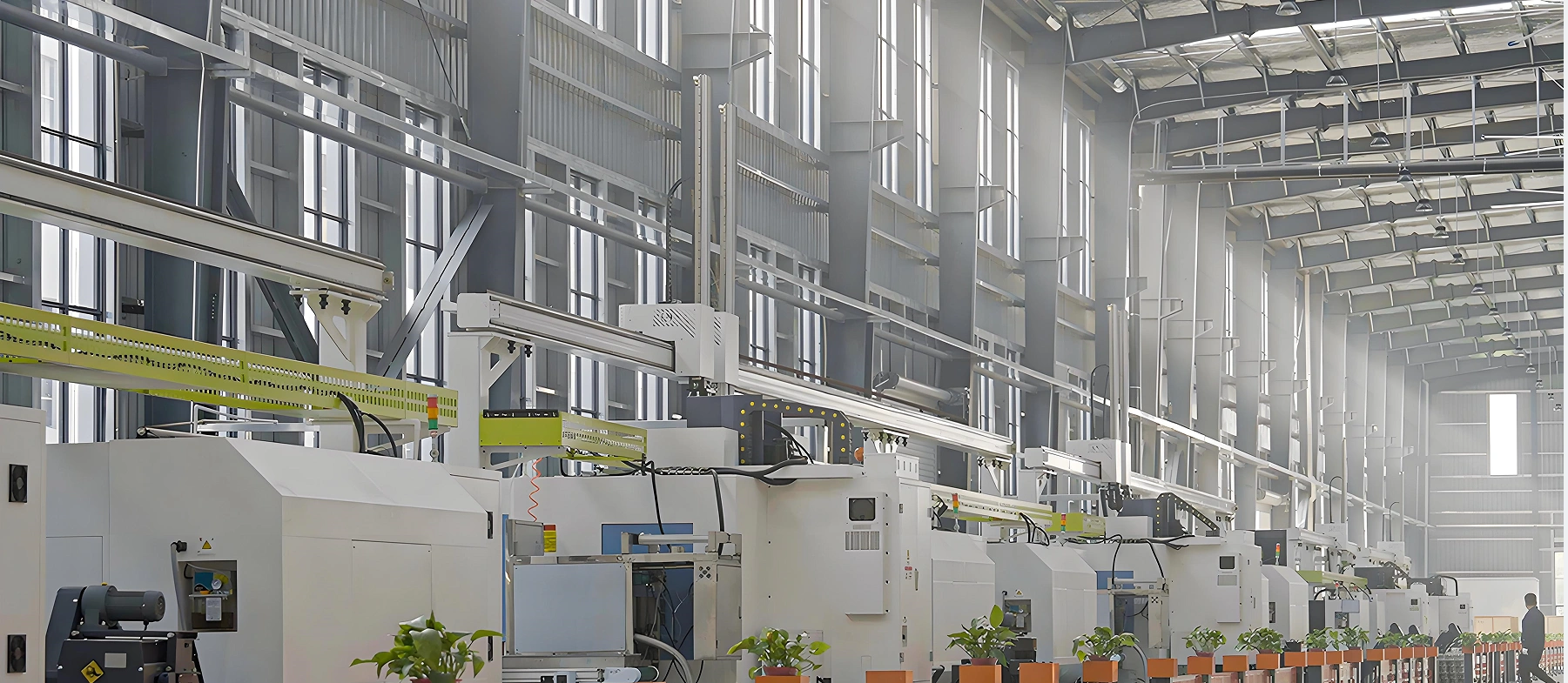
The valve body is manufactured using a precision sand casting process, where WCB carbon steel is melted and poured into pre-formed molds to create the desired geometry. The casting process delivers exceptional dimensional accuracy and structural integrity, eliminating internal defects such as porosity or inclusions that could compromise performance. After casting, the body undergoes heat treatment, including normalization and tempering, to refine its microstructure and relieve internal stresses, ensuring consistent mechanical properties across the component. The body is then machined to precise dimensions using CNC lathes and milling machines, with critical surfaces such as flange faces and diaphragm seats finished to a roughness of Ra ≤ 3.2 μm to ensure proper sealing and alignment. Non-destructive testing (NDT) is performed on the cast body, including ultrasonic testing and magnetic particle testing, to detect any internal or surface defects before machining.
Diaphragm & Seat Production
The EPDM diaphragm and seat are fabricated from high-grade EPDM elastomer, which is molded and cured under controlled conditions to ensure consistent mechanical properties and chemical resistance. The molding process uses precision dies to create the desired shape and thickness, ensuring the diaphragm’s flexibility and sealing performance. After molding, the diaphragm and seat undergo post-curing treatment to enhance their thermal stability and chemical resistance, followed by dimensional inspection to verify compliance with design specifications. Each diaphragm and seat undergoes leak testing under hydrostatic pressure to ensure it provides a hermetic seal, with no visible leakage. Material testing is also performed to verify the EPDM’s chemical resistance and mechanical properties, ensuring it meets the requirements of the intended application.
Assembly & Testing
The valve assembly process is conducted in a controlled, clean environment to prevent contamination of internal components, with skilled technicians following detailed work instructions and quality checklists. The assembly process involves mounting the diaphragm and seat into the valve body, attaching the pneumatic actuator, and connecting the control module components (solenoid valve, position feedback unit, manual override handwheel). Critical assembly steps, such as diaphragm alignment and actuator mounting, are verified using precision measurement tools to ensure compliance with design specifications.
Before leaving the factory, each valve undergoes a comprehensive series of performance tests in accordance with EN 12266 and API 598 standards:
- Shell Test: A hydrostatic pressure test conducted at 1.5 times the rated pressure (1.5 MPa for PN10 valves) to verify the body’s structural integrity and resistance to leakage.
- Seat Test: A pneumatic pressure test conducted at 1.1 times the rated pressure to ensure the diaphragm and seat provide a bubble-tight seal under both forward and reverse flow conditions.
- Operational Test: A functional test of the pneumatic actuator to verify smooth opening, closing, and modulation, with accurate position feedback and fail-safe functionality.
- Cycle Test: A durability test involving repeated opening and closing cycles to verify the valve’s long-term performance and resistance to wear.
- Chemical Resistance Test: A specialized test to evaluate the diaphragm and seat’s resistance to the intended process fluids, ensuring they maintain their mechanical properties and sealing performance over extended service life.
- Manual Override Test: A test to verify the functionality of the manual override handwheel, ensuring it can operate the valve smoothly in the event of air supply failure.
Quality Management
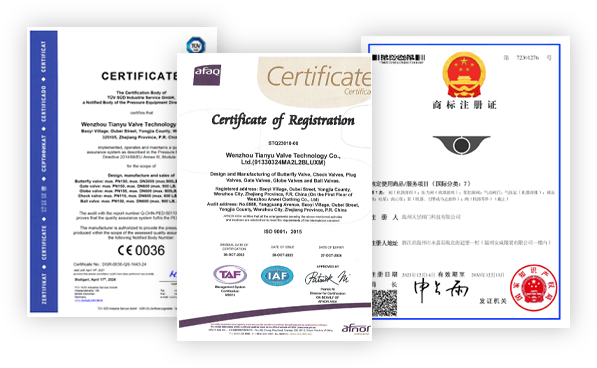
TIANYU maintains an ISO 9001:2015 certified quality management system, governing all aspects of manufacturing from raw material procurement to final delivery. Raw materials, including WCB carbon steel and EPDM elastomer, are sourced from approved suppliers and undergo rigorous incoming inspection, including chemical analysis and mechanical testing, to ensure compliance with material specifications.
The company’s quality control laboratory is equipped with advanced testing equipment, including spectrometers, hardness testers, and pressure testing rigs, enabling real-time monitoring of material properties and product performance. A team of experienced quality assurance engineers conducts regular audits, process reviews, and non-destructive testing to identify and address potential issues before they impact product quality. All manufacturing and testing records are documented and stored for a minimum of 7 years, ensuring full traceability for every valve produced.