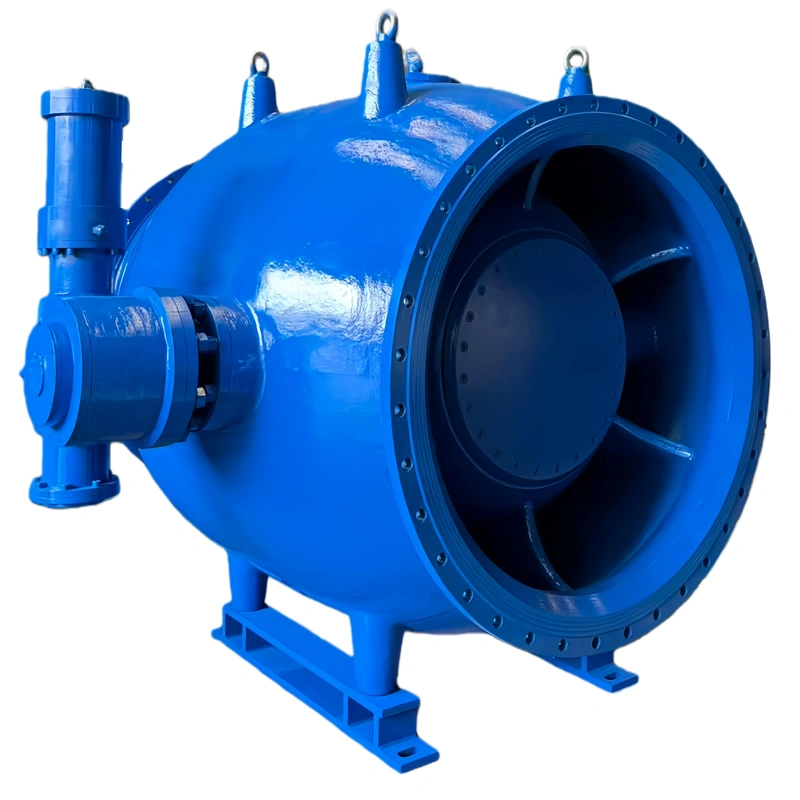
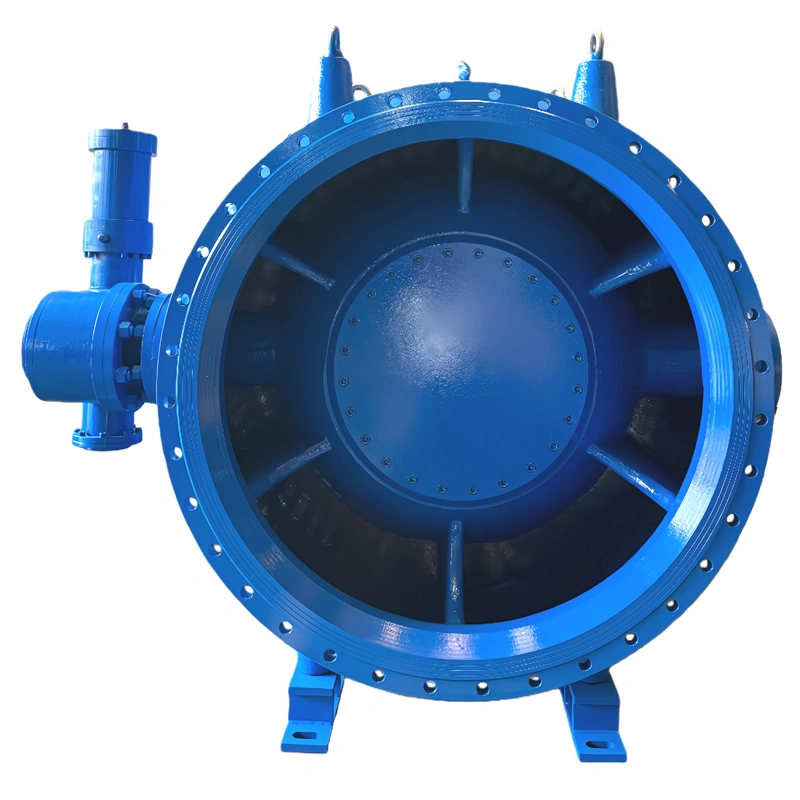
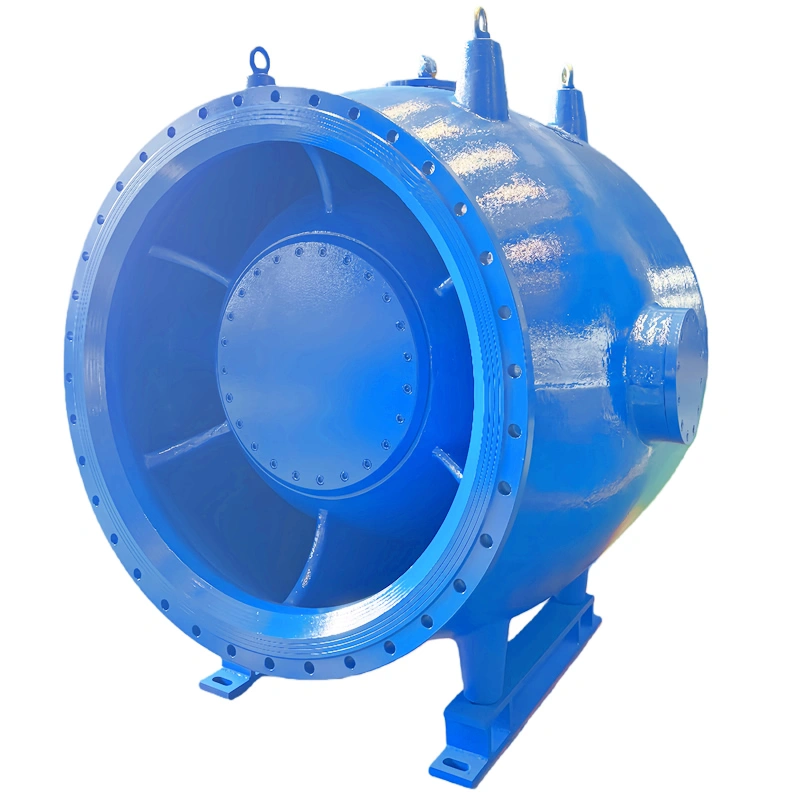
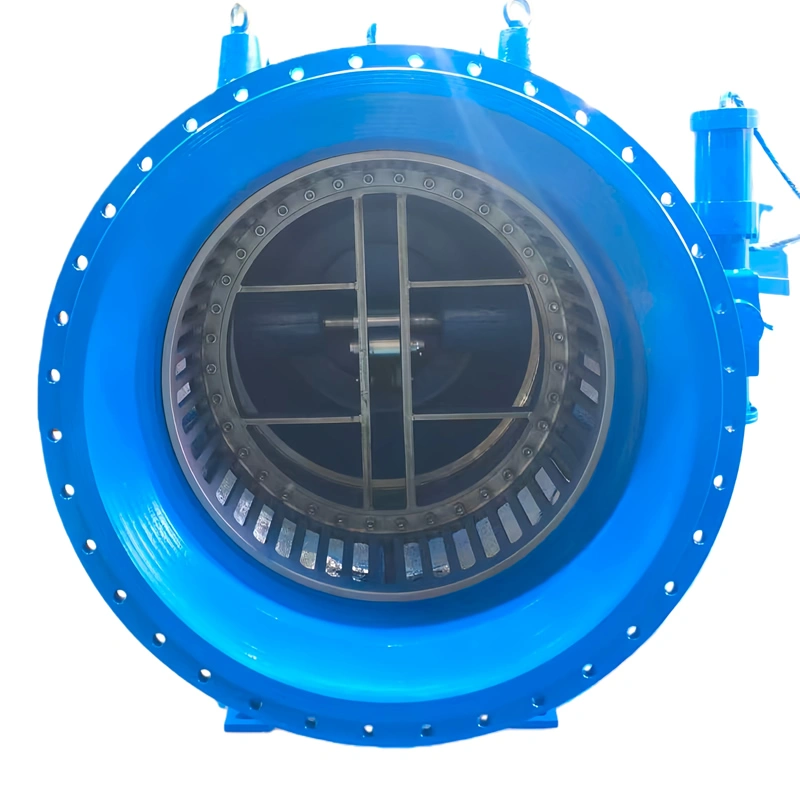
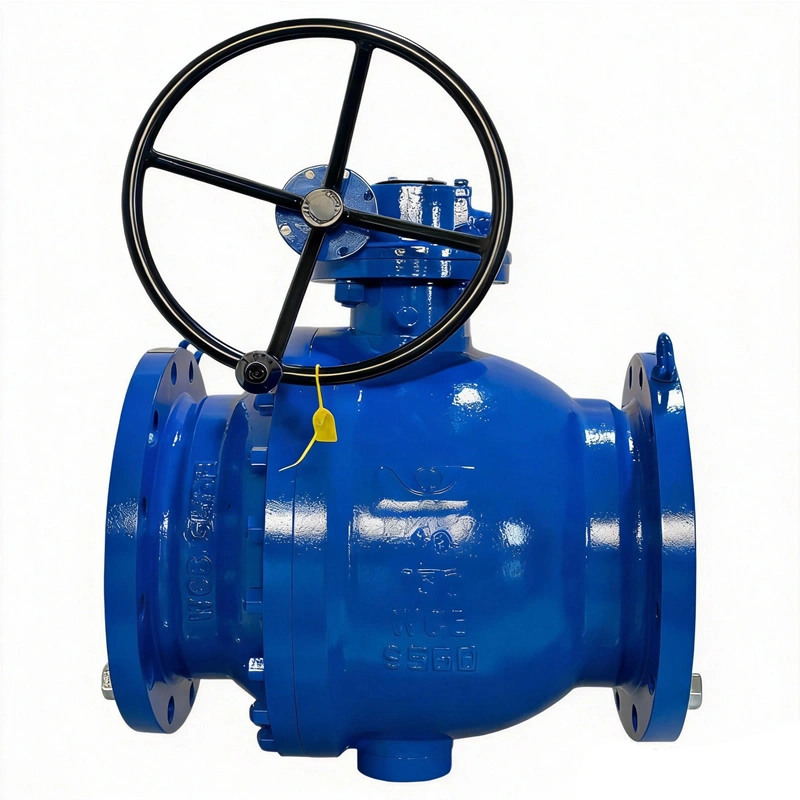
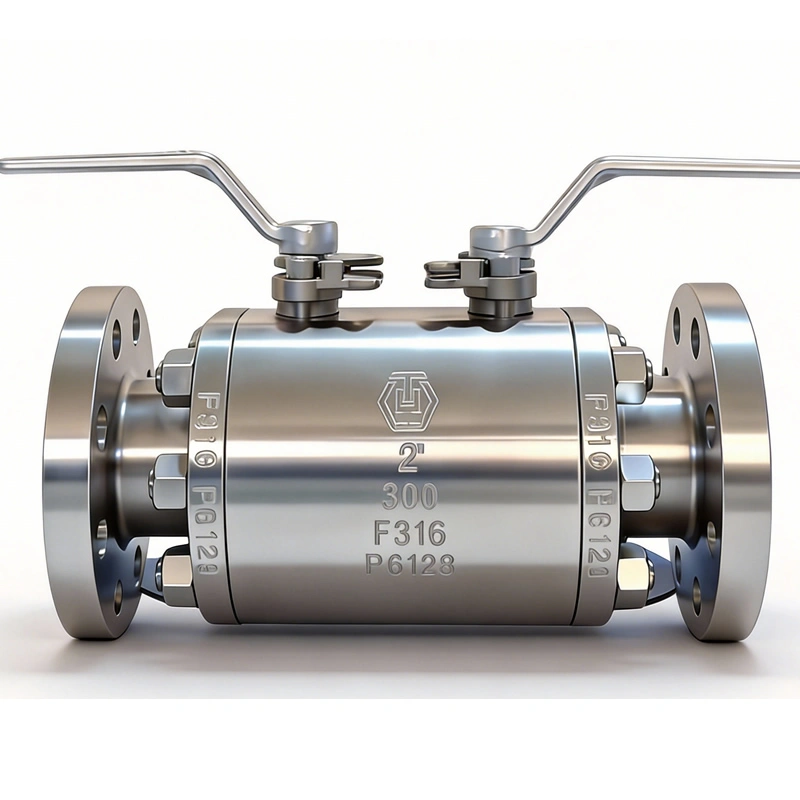
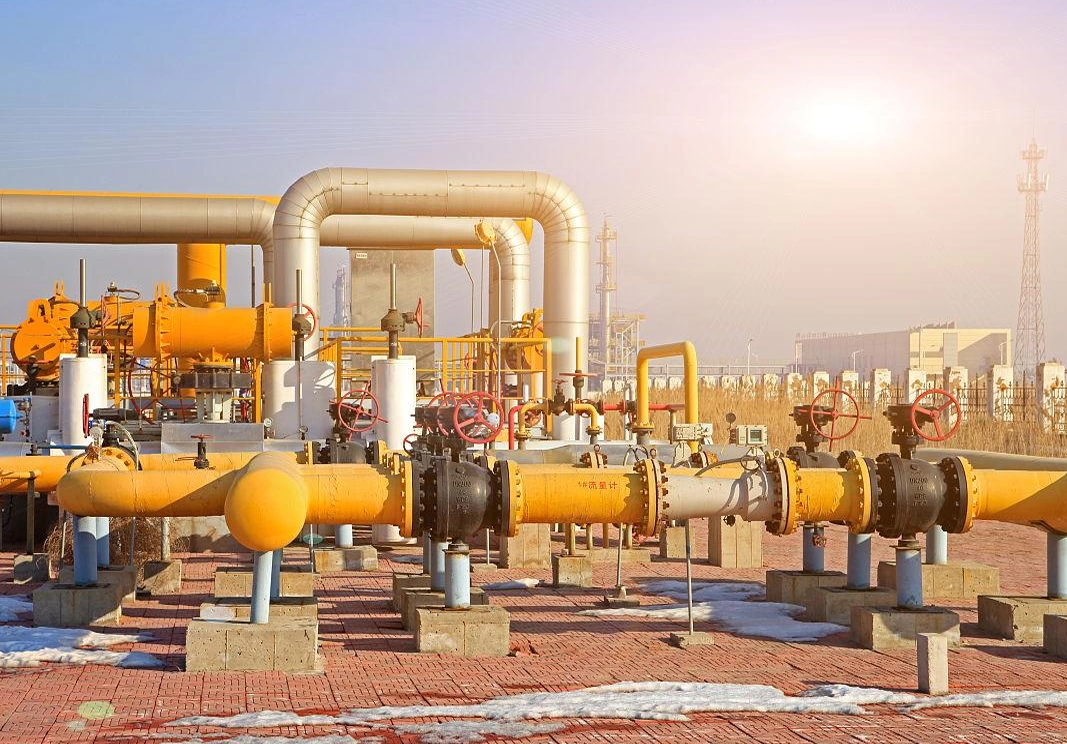
API 600 GB/T 12233 CE Certified DN1500 PN6 QT450 Ductile Iron Body 1Cr18Ni9 Stainless Steel Seat Flanged Connection Electric Actuated Flow and Pressure Control Valve by TIANYU
I. Product Overview & Core Specifications
The TIANYU flow and pressure control valve represents a pinnacle of precision engineering tailored for large-scale fluid management systems, specifically engineered to address the demands of high-flow, low-to-medium pressure applications. At its core, this valve is dimensioned to DN1500, a substantial nominal diameter that positions it as a critical component in municipal water distribution networks, large-scale hydraulic projects, and industrial process systems requiring significant volumetric throughput. Rated for a pressure class of PN6, it is optimized for operating pressures up to 0.6 MPa, making it ideal for scenarios where consistent pressure regulation and flow modulation are essential to prevent pipeline damage, ensure system stability, and maintain efficient fluid delivery.
The valve body is fabricated from QT450 ductile iron, a material renowned for its exceptional combination of high tensile strength, impact resistance, and corrosion resilience. QT450, conforming to GB/T 1348 and ISO 1083 standards, exhibits superior mechanical properties compared to traditional gray iron, with a minimum tensile strength of 450 MPa and elongation of 10%, enabling it to withstand cyclic pressure fluctuations, hydraulic shocks, and the abrasive effects of particulate-laden fluids. This material choice ensures the valve’s longevity even in harsh operating environments, including those with varying pH levels or moderate sediment content.
Complementing the robust body, the valve seat is constructed from 1Cr18Ni9 (AISI 302) stainless steel, a versatile alloy celebrated for its excellent corrosion resistance, high temperature tolerance, and dimensional stability. 1Cr18Ni9 contains 18% chromium and 9% nickel, forming a passive chromium oxide layer that protects against oxidation and chemical degradation, making it suitable for contact with potable water, wastewater, and mild industrial fluids. The seat’s precision-machined surface ensures a tight, bubble-tight seal, minimizing leakage and enhancing the valve’s overall efficiency in pressure and flow control.
For installation flexibility and system compatibility, the valve features a flanged connection design, adhering to GB/T 9112-9124 and EN 1092-1 standards. Flanged connections facilitate secure, leak-proof integration into pipeline systems, allowing for easy assembly and disassembly during maintenance or retrofitting. The flange dimensions and bolt patterns are standardized to ensure interoperability with existing infrastructure, reducing installation time and costs.
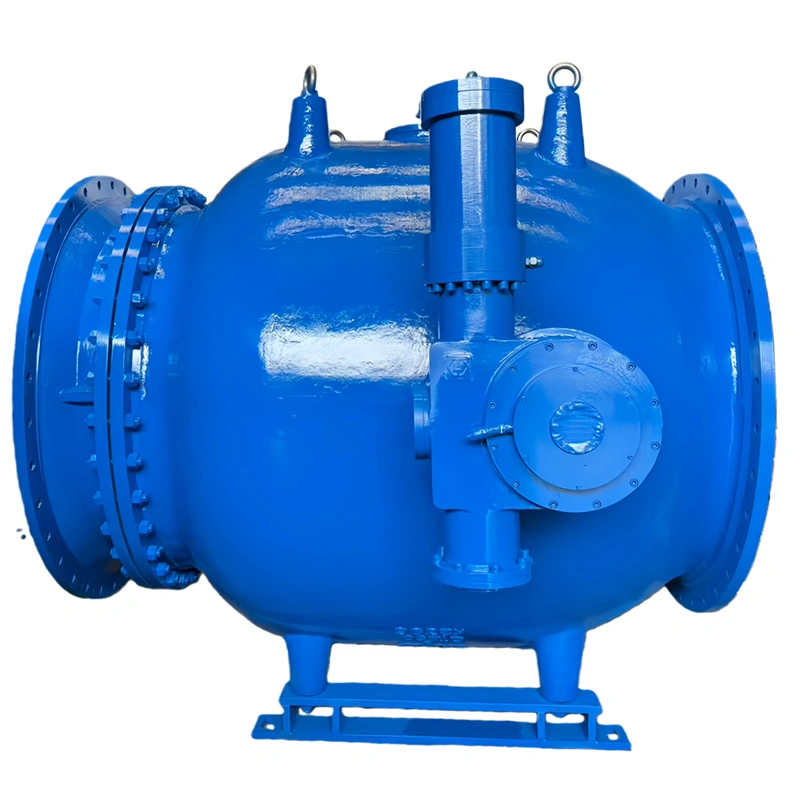
Actuation is provided by a state-of-the-art electric actuator, engineered to deliver precise, responsive control over valve positioning. The actuator integrates advanced motor technology, gear reduction systems, and position feedback mechanisms, enabling both on-off and modulating control modes. This electric actuation eliminates the need for pneumatic or hydraulic supply lines, simplifying system design and reducing operational complexity. It also supports remote monitoring and control, a critical feature for large-scale infrastructure projects where on-site adjustments are impractical or hazardous. The actuator is equipped with overload protection, thermal sensors, and fail-safe functionality, ensuring reliable operation even under adverse conditions, such as power outages or electrical surges.
II. Design Features & Functional Advantages
The TIANYU DN1500 PN6 flow and pressure control valve incorporates a range of innovative design features that set it apart from conventional control valves, enhancing its performance, reliability, and operational efficiency.
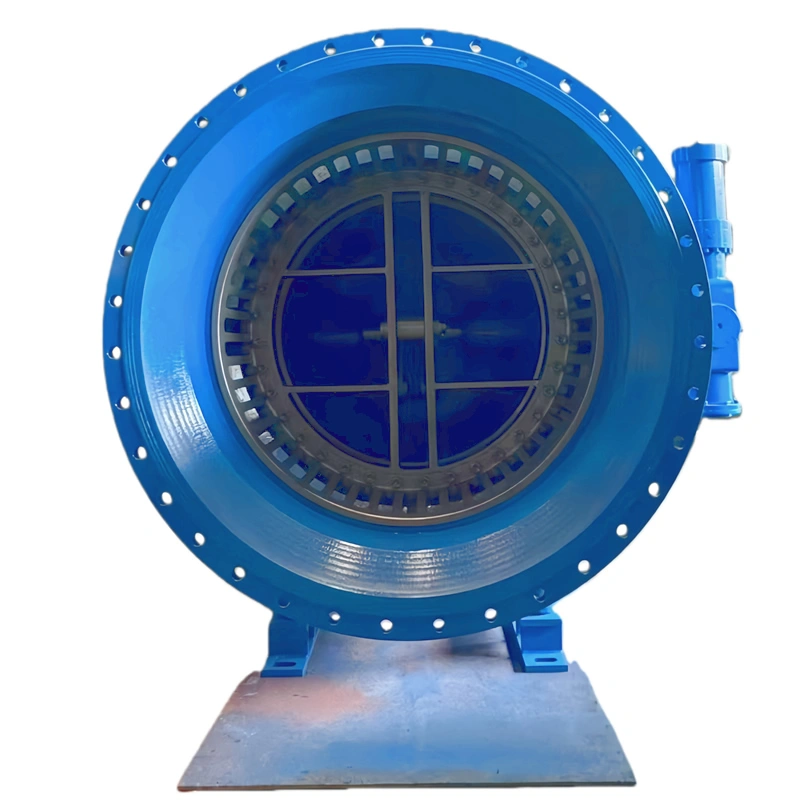
At the heart of its design is a streamlined, full-bore flow path that minimizes hydraulic resistance and pressure loss. The valve’s internal geometry is optimized through computational fluid dynamics (CFD) simulations, ensuring smooth, laminar flow across the entire operating range. This design reduces energy consumption by minimizing turbulence, which is particularly critical in large-diameter systems where even minor pressure losses can translate to significant operational costs. Additionally, the full-bore configuration prevents debris accumulation, reducing the risk of clogging and extending maintenance intervals.
To address the challenges of cavitation and erosion, common issues in flow control applications, the valve incorporates anti-cavitation trim and a multi-stage pressure reduction mechanism. The trim is engineered to dissipate energy gradually, breaking down high-velocity fluid streams into smaller, lower-velocity jets that reduce the formation of vapor bubbles and subsequent cavitation damage. This design not only protects the valve internals from erosion but also minimizes noise and vibration, ensuring quieter, more stable system operation.
The valve seat features a self-sealing design that enhances sealing integrity under both forward and reverse flow conditions. As fluid pressure increases, the seat is pressed against the valve plug, creating a tighter seal that prevents leakage even at maximum operating pressures. This self-energizing mechanism eliminates the need for additional sealing components, reducing complexity and potential points of failure. Furthermore, the seat is replaceable, allowing for easy maintenance and extending the valve’s service life without requiring full replacement.
The electric actuator is integrated with intelligent control electronics that offer precise positioning accuracy, typically within ±0.5% of full stroke. This level of precision enables fine-tuned regulation of flow and pressure, ensuring that system parameters remain within tight tolerances. The actuator also supports communication protocols such as Modbus, Profibus, and HART, enabling seamless integration with SCADA (Supervisory Control and Data Acquisition) systems for remote monitoring, data logging, and automated control. This connectivity enhances operational visibility, allowing operators to detect anomalies, perform predictive maintenance, and optimize system performance in real time.
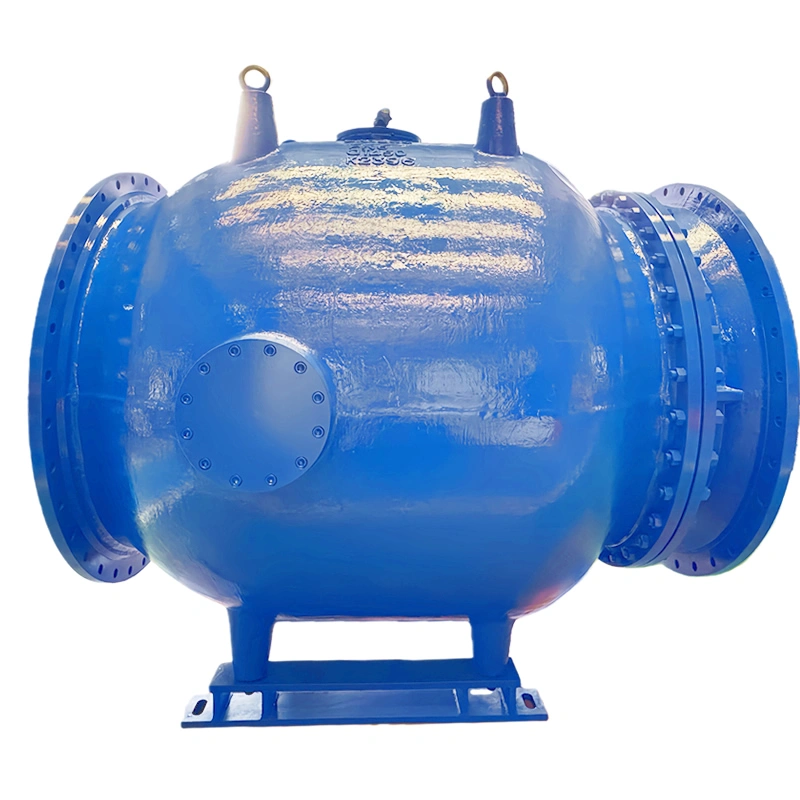
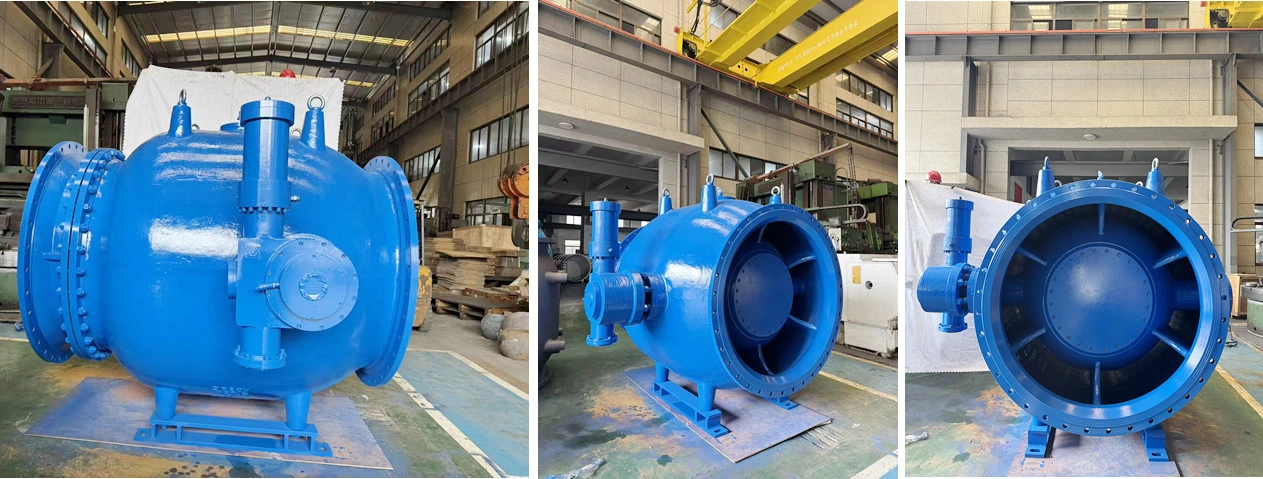
Another key design feature is the valve’s robust support structure, which includes a heavy-duty base and lifting lugs for safe handling and installation. The base provides stable support for the valve body, reducing stress on the pipeline connections and ensuring alignment under dynamic operating conditions. The lifting lugs, strategically positioned on the valve body, facilitate easy lifting and maneuvering using cranes or hoists, a critical consideration for large-diameter valves that can weigh several tons.
The valve’s external surface is coated with a high-performance, epoxy-based protective finish, applied using a multi-stage coating process that includes surface preparation, primer application, and topcoat finishing. This coating provides exceptional resistance to corrosion, UV radiation, and chemical exposure, ensuring the valve’s aesthetic and structural integrity even in outdoor or corrosive environments. The vibrant blue finish also enhances visibility, making it easier to identify the valve within complex pipeline layouts.