1. Introduction: The Dilemma of Balancing Cost and Risk in European Procurement of Chinese Valves
Against the backdrop of global economic volatility, rising raw material prices, and stricter EU environmental regulations, European procurement of valves from China is facing dual pressures of cost control and risk prevention. On the one hand, European enterprises need to reduce costs through procurement to improve market competitiveness; on the other hand, they must strictly prevent four types of risks—compliance risks, quality risks, delivery risks, and after-sales risks—to avoid economic losses.
2024-2025 industry data shows that in China’s valve exports to Europe,hidden costs (quality failures, after-sales maintenance, delivery delay losses) account for 35%-45% of the total procurement cost, far exceeding expectations. For example, the cost of a single valve may seem low, but the hidden costs caused by quality problems or delivery delays can significantly increase the total cost of ownership (TCO). This is particularly true for large-caliber valves, where the cost can increase exponentially with size, making cost control even more critical.
At the same time, the EU’s increasing emphasis on sustainable development and carbon neutrality has put forward higher requirements for the environmental performance and carbon footprint of valve products, adding new challenges to European procurement of Chinese valves. European purchasers are no longer just concerned about price and quality; they also pay attention to the environmental impact of the products they purchase, which requires Chinese suppliers to adapt to new market demands.
Based on the core pain points identified in the first article, this article focuses oncost optimization, risk prevention, and sustainable cooperation in European procurement of Chinese valves, integrates the latest industry data and practical cases, and takes Tianyu Valves (tianyuvalves.com) as an example to provide targeted strategies and suggestions, helping European procurement teams achieve efficient, low-risk, and sustainable procurement.
2. Cost Optimization: Key Factors and Optimization Strategies for European Procurement of Chinese Valves
2.1 Key Factors Affecting Procurement Costs
The procurement cost of Chinese valves for European purchasers mainly includes four parts: purchase price, logistics cost, certification cost, and hidden cost. The key factors affecting each part are as follows:
First, the purchase price. The purchase price of Chinese valves is affected by raw material prices (such as stainless steel, carbon steel), production processes, product specifications, and order quantity. From 2024 to 2025, the global price of stainless steel increased by 12-15%, leading to an 8-10% increase in the purchase price of Chinese valves, bringing great pressure to European purchasers. In addition, the purchase price of small-batch and customized orders is usually 15-20% higher than that of large-batch orders, which is also a key factor affecting cost control. The purchase price is particularly sensitive to product specifications, with large-caliber valves (DN1200 and above) experiencing an exponential increase in cost due to higher structural requirements and manufacturing difficulties.
Second, logistics cost. Logistics cost accounts for 10-15% of the total procurement cost, mainly affected by transportation methods (sea freight, air freight), transportation distance, and customs clearance costs. Since 2024, global sea freight prices have fluctuated significantly, and the sea freight from Shanghai to Rotterdam has increased by 20% in some months, which has significantly increased the logistics cost of European procurement. According to Volza’s data, the volume of valve imports from European suppliers remains high, but logistics costs continue to be a major cost driver.
Third, certification cost. For European procurement, CE certification, third-party testing, and other related costs are indispensable. The certification cost of a single batch of valves ranges from 5,000 to 20,000 euros, depending on the product type, risk category, and certification agency. For small and medium-sized European purchasers, the certification cost is a significant burden. The cost of third-party verification (EN 10204 3.2) is higher than that of manufacturer’s declarations (EN 10204 3.1), but it is often necessary for high-risk applications to ensure compliance and quality.
Fourth, hidden cost. This is the most easily overlooked part, including quality failure costs (production shutdowns, maintenance, replacement), delivery delay losses (project delays, liquidated damages), and after-sales maintenance costs. As mentioned earlier, a German chemical company suffered a loss of 125,000 euros due to quality problems of Chinese valves, which is a typical hidden cost. Hidden costs can account for a significant portion of the total procurement cost, making them a critical factor in cost control.
2.2 Cost Optimization Strategies for European Purchasers
To effectively control procurement costs, European purchasers need to adopt a total cost management concept, considering not only the initial purchase price but also the hidden costs throughout the entire procurement cycle. The following are targeted optimization strategies:
First, optimize the order quantity and adopt batch procurement. By integrating procurement needs and increasing the order quantity, European purchasers can negotiate better purchase prices with Chinese manufacturers. Generally, the purchase price of orders with a quantity of more than 100 sets can be reduced by 8-12%. In addition, purchasers can adopt annual framework agreements with suppliers to lock in the purchase price and avoid the impact of raw material price fluctuations. This strategy is particularly effective for standard valves, where large-batch procurement can significantly reduce unit costs.
Second, choose cost-effective logistics solutions. For non-urgent orders, sea freight is preferred to reduce logistics costs; for urgent orders, air freight can be used selectively, and multiple orders can be combined to share logistics costs. In addition, European purchasers can cooperate with local logistics companies in China to optimize the domestic transportation and customs clearance process, reducing customs clearance time and costs. This is especially important for large-caliber valves, which require special transportation and handling, increasing logistics complexity and cost.
Third, choose suppliers with complete certifications to avoid additional certification costs. Suppliers like Tianyu Valves have obtained all the necessary certifications for the European market, and their products can directly enter the European market without additional certification, which can save European purchasers a lot of certification costs. In addition, purchasers can require suppliers to provide unified certification documents for multiple batches of orders to reduce repeated certification costs. This avoids the additional costs and delays associated with incomplete or incorrect certification documents.
Fourth, establish a long-term cooperative relationship with suppliers to reduce hidden costs. Long-term cooperation can help suppliers better understand the purchaser’s needs, improve product quality and delivery stability, and reduce quality failure and delivery delay losses. At the same time, long-term cooperation can also reduce the cost of supplier verification and communication. This aligns with the international procurement logic of building long-term partnerships to achieve mutual cost savings and value creation.
2.3 Tianyu Valves’ Cost-Effective Solutions for European Purchasers
Tianyu Valves has always adhered to the concept of cost-effectiveness, providing European purchasers with high-quality products at reasonable prices, while helping purchasers reduce hidden costs. The company’s cost advantages are mainly reflected in three aspects:
First, optimized production processes to reduce production costs. Tianyu Valves adopts advanced forging, machining, and assembly processes, and introduces automated production equipment to improve production efficiency and reduce labor costs. At the same time, the company has established a strict cost control system to optimize the use of raw materials and reduce waste. This enables Tianyu Valves to provide European purchasers with products that are 10-15% lower than the industry average price under the same quality and certification standards. The company’s focus on process optimization is particularly important for large-batch production, where efficiency gains translate directly to cost savings.
Second, flexible order policies to meet the needs of different purchasers. For large-batch orders, Tianyu Valves provides preferential prices and flexible payment terms; for small-batch and customized orders, the company optimizes the production process to reduce the cost premium, making the purchase price more competitive. For example, for a French purchaser who needs 50 sets of customized 3-way ball valves, Tianyu Valves reduced the cost premium from 20% to 10% by optimizing the production schedule and sharing the mold cost. This flexibility is critical for European purchasers with diverse order requirements, including both standard and customized products.
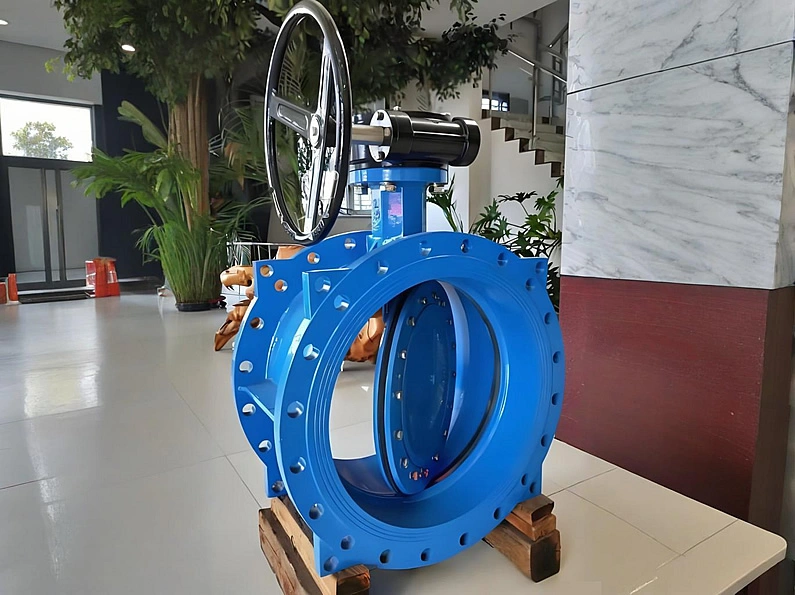
Third, helping purchasers reduce hidden costs. Through rigorous quality control, Tianyu Valves ensures that the product qualification rate reaches 99.8%, reducing the quality failure costs of purchasers. The company’s on-time delivery rate of 97% also avoids delayed delivery losses for purchasers. In addition, the company’s local after-sales service in Europe reduces the after-sales maintenance cost and cycle of purchasers, further helping purchasers control the total procurement cost. For example, the company’s smart valve solutions with IoT integration help customers reduce product waste and improve operational efficiency, further reducing hidden costs.
3. Risk Prevention: Key Risks and Response Measures in European Procurement of Chinese Valves
3.1 Key Procurement Risks and Their Impacts
European procurement of Chinese valves faces a variety of risks, including quality risks, compliance risks, supply risks, and legal risks. If these risks are not effectively prevented and controlled, they may bring significant economic losses to European purchasers. According to a 2025 industry report, 40% of European purchasers have suffered economic losses due to procurement risks, with an average loss of 50,000 euros per case.
First, quality risks. As mentioned earlier, quality instability and inconsistency between samples and bulk goods are prominent problems in Chinese valve manufacturing, which can lead to production shutdowns, maintenance costs, and even safety accidents for European purchasers. In 2024, a Dutch chemical company suffered a safety accident due to leakage of Chinese valves, resulting in a loss of 300,000 euros and being ordered to suspend production for rectification. Quality risks are particularly severe in high-risk industries such as oil and gas, where valve failures can have catastrophic consequences.
Second, compliance risks. Non-compliance with EU certification and technical standards can lead to customs detention, fines, product recalls, and even legal liabilities. According to EU customs data, in 2024, the EU imposed fines of more than 5 million euros on non-compliant Chinese valve products, and 12 batches of products were recalled. Compliance risks are becoming increasingly important as the EU tightens its regulatory requirements for imported industrial products.
Third, supply risks. Supply chain disruptions, delayed delivery, and shortage of raw materials can affect the normal production of European purchasers. For example, during the 2025 global supply chain crisis, many Chinese valve manufacturers were unable to deliver on time due to the shortage of imported seals, affecting the production plans of European purchasers. Supply risks are exacerbated by the global nature of the valve supply chain, which relies on raw materials and components from multiple countries.
Fourth, legal risks. Disputes over contract performance, quality issues, and intellectual property rights are common in European procurement of Chinese valves. A Chinese valve manufacturer was sued by a German purchaser in 2024 for failing to fulfill the delivery commitment, and the court ordered the manufacturer to pay liquidated damages of 80,000 euros. Legal risks can be costly and time-consuming, highlighting the importance of clear contract terms and reliable suppliers.
3.2 Risk Prevention and Response Measures
To effectively prevent and control procurement risks, European purchasers need to establish a complete risk management system, covering supplier selection, contract signing, production supervision, and after-sales service. The following are key response measures:
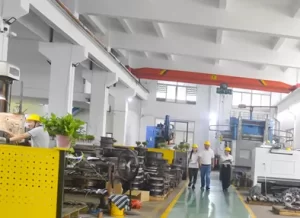
First, strictly select suppliers. Before cooperating with Chinese valve manufacturers, European purchasers should conduct a comprehensive investigation of the supplier’s certification, quality control system, production capacity, and customer reputation. It is recommended to choose suppliers with international certifications, rich experience in serving the European market, and good customer feedback, such as Tianyu Valves. In addition, purchasers can conduct on-site inspections of suppliers to understand their production conditions and quality control processes. This supplier selection process is a critical step in risk prevention, as it helps eliminate high-risk suppliers early in the procurement process.
Second, sign a detailed and standardized contract. The contract should clearly stipulate the product quality standards, certification requirements, delivery time, payment terms, liquidated damages for breach of contract, and dispute resolution methods. For quality issues, the contract should specify the quality inspection standards, inspection methods, and liability for quality problems. For example, the contract can stipulate that if the product qualification rate is less than 99%, the supplier shall bear the corresponding maintenance and replacement costs. Clear contract terms help mitigate disputes and ensure that both parties are accountable for their obligations.
Third, strengthen production supervision. European purchasers can appoint professional inspectors to supervise the production process of Chinese manufacturers, especially key processes such as raw material inspection, machining, and assembly. In addition, purchasers can require suppliers to provide real-time production reports and inspection records to ensure that the production process meets the agreed standards. This supervision is particularly important for large or customized orders, where quality and delivery timelines are critical.
Fourth, establish a risk early warning mechanism. European purchasers should closely track the changes in raw material prices, EU regulations, and global supply chains, and establish a risk early warning mechanism. If there is a potential risk (such as a sharp increase in raw material prices or a change in EU standards), purchasers should communicate with suppliers in a timely manner to adjust the procurement plan and avoid losses. This proactive approach to risk management helps purchasers adapt to changing market conditions and minimize the impact of unexpected events.
3.3 Tianyu Valves’ Risk Control System to Protect European Purchasers
Tianyu Valves has established a complete risk control system to help European purchasers avoid procurement risks, providing a safe and reliable procurement environment for purchasers:
First, strict quality risk control. As mentioned earlier, Tianyu Valves has a full-process quality control system, ensuring that the product qualification rate reaches 99.8%, and reducing the quality risk for purchasers. The company also provides third-party testing reports to verify product quality, further ensuring the reliability of products. The company’s quality control system includes strict incoming inspection of raw materials, in-process inspection of key processes, and 100% final inspection of finished products, ensuring that every valve meets the required standards.
Second, compliance risk prevention. Tianyu Valves’ professional compliance team closely tracks updates to EU regulations and standards, and ensures that all products are compliant. The company provides complete certification documents and technical files for each batch of products, helping purchasers avoid customs detention and fines. In 2024, Tianyu Valves did not have any compliance-related disputes with European purchasers. The company’s focus on compliance ensures that its products meet all EU requirements, including PED 2014/68/EU and EN ISO 15848, reducing compliance risks for purchasers.
Third, supply risk control. Tianyu Valves has established a stable supply chain system and a backup supplier mechanism. If a core supplier has supply problems, the company can quickly switch to a backup supplier to ensure the stable supply of raw materials and components. The company’s ERP system can also predict production and supply risks in advance, and take corresponding measures to avoid delayed delivery. This supply chain resilience is critical for ensuring on-time delivery, even in the face of global supply chain disruptions.

Fourth, legal risk protection. Tianyu Valves strictly abides by international trade rules and signs standardized contracts with European purchasers, clearly stipulating the rights and obligations of both parties. The company has a professional legal team to handle contract disputes and intellectual property issues, ensuring that the legitimate rights and interests of European purchasers are protected. Since its establishment, Tianyu Valves has not had any major legal disputes with international purchasers, providing purchasers with peace of mind.
4. Sustainable Cooperation: Building Long-Term Win-Win Partnerships Between European Purchasers and Chinese Manufacturers
4.1 Key Elements of Sustainable Cooperation
In the context of global economic integration, sustainable cooperation between European purchasers and Chinese valve manufacturers is not only conducive to reducing procurement costs and risks but also to promoting the upgrading of the valve industry and achieving mutual development. However, building a long-term win-win partnership requires joint efforts from both parties.
First, mutual trust. Trust is the foundation of long-term cooperation. European purchasers should recognize the efforts of Chinese manufacturers in quality improvement and compliance, and Chinese manufacturers should fulfill their commitments and provide high-quality products and services. Through transparent communication and mutual supervision, both parties can establish a stable trust relationship. Trust is particularly important in cross-border cooperation, where cultural and geographical differences can create misunderstandings.
Second, mutual benefit. Long-term cooperation should be based on mutual benefit. Chinese manufacturers should provide cost-effective products and services to help European purchasers improve market competitiveness; European purchasers should provide stable orders and reasonable prices to help Chinese manufacturers expand the European market and achieve technological upgrading. This mutual benefit ensures that both parties have an incentive to maintain the partnership and work together to solve problems.
Third, joint innovation. With the continuous development of European industrial technology, the demand for valves is becoming more and more personalized and high-end. European purchasers and Chinese manufacturers should strengthen technical cooperation, jointly develop new products and technologies that meet the European market demand, and achieve common development. Joint innovation can help both parties stay ahead of market trends and meet the evolving needs of the European industrial sector. For example, the development of smart valves with IoT integration is a key area of innovation that benefits both purchasers and manufacturers.
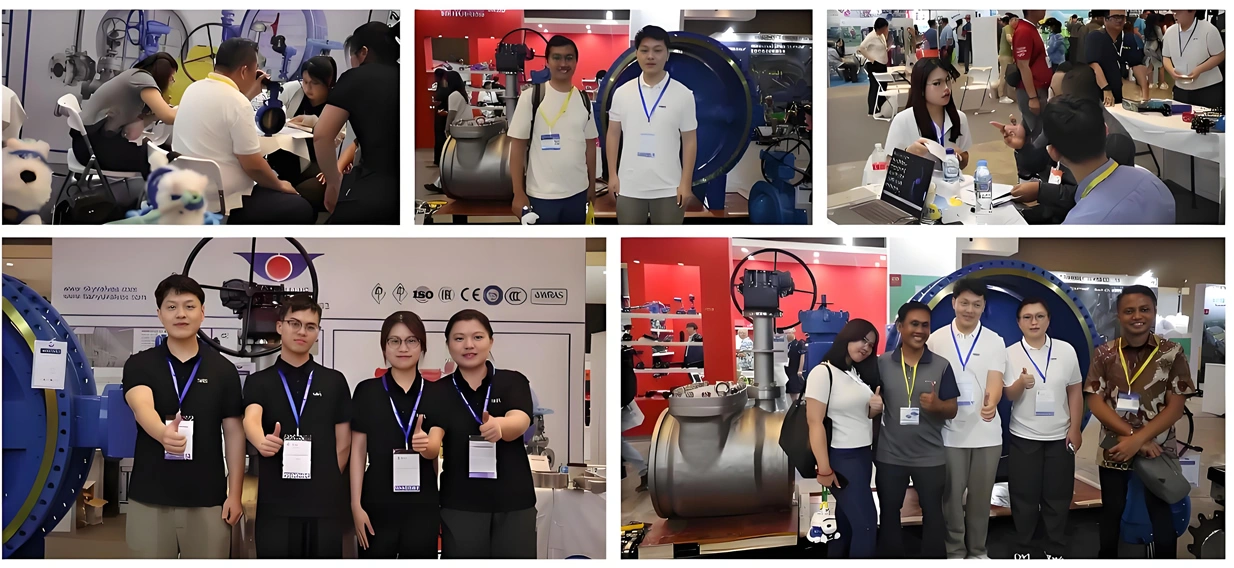
Fourth, sustainable development. In recent years, the EU has paid more and more attention to environmental protection and carbon neutrality, and has put forward higher requirements for the environmental performance of industrial products. European purchasers and Chinese manufacturers should cooperate to develop environmentally friendly, energy-saving, and low-carbon valve products, and promote the sustainable development of the industry. This focus on sustainability not only meets EU regulatory requirements but also helps both parties achieve long-term economic and environmental benefits.
4.2 Tianyu Valves’ Practice in Building Long-Term Win-Win Partnerships
Tianyu Valves has always adhered to the concept of long-term cooperation and mutual benefit and has built stable long-term cooperative relationships with more than 100 European purchasers. The company’s practices mainly include:
First, establishing a dedicated customer service team. Tianyu Valves assigns a dedicated customer manager to each European purchaser, responsible for daily communication, order tracking, and problem solving. The customer manager maintains close contact with the purchaser to understand their needs and feedback in a timely manner, and provides personalized solutions. This dedicated customer service ensures that purchasers receive timely and responsive support, building trust and strengthening the partnership.
Second, strengthening technical cooperation with European purchasers. Tianyu Valves has established a research and development team of 20 people, and cooperates with European purchasers to develop customized products according to their specific needs. For example, the company cooperated with a British power company to develop a high-temperature and high-pressure ball valve that meets the requirements of the power industry, which has been widely used in the company’s projects. This technical cooperation not only meets the purchaser’s specific needs but also helps Tianyu Valves improve its product portfolio and technological capabilities.
Third, promoting sustainable development. Tianyu Valves is committed to developing environmentally friendly and energy-saving valve products, adopting environmentally friendly materials and production processes, and reducing carbon emissions. The company’s products have passed the EU environmental protection certification, and the carbon footprint meets the EU requirements, helping European purchasers achieve their carbon neutrality goals. The company’s focus on sustainability aligns with the EU’s environmental policies and helps purchasers meet their own sustainability objectives.
Fourth, sharing industry information and resources. Tianyu Valves regularly shares the latest information on China’s valve industry, raw material prices, and EU regulatory updates with European purchasers, helping purchasers make more informed procurement decisions. At the same time, the company also introduces European purchasers to other high-quality suppliers in China, helping purchasers optimize their supply chain. This information sharing helps purchasers stay informed about market trends and make better procurement decisions, while also strengthening the partnership between Tianyu Valves and its customers.
5. Achieving Efficient, Low-Risk, and Sustainable Procurement
European procurement of Chinese valves is a process of balancing cost, quality, and risk. By adopting scientific cost control strategies, establishing a complete risk management system, and building long-term win-win partnerships with suppliers like Tianyu Valves (tianyuvalves.com), European purchasers can effectively solve the key problems in procurement, reduce costs, avoid risks, and achieve efficient and sustainable procurement.
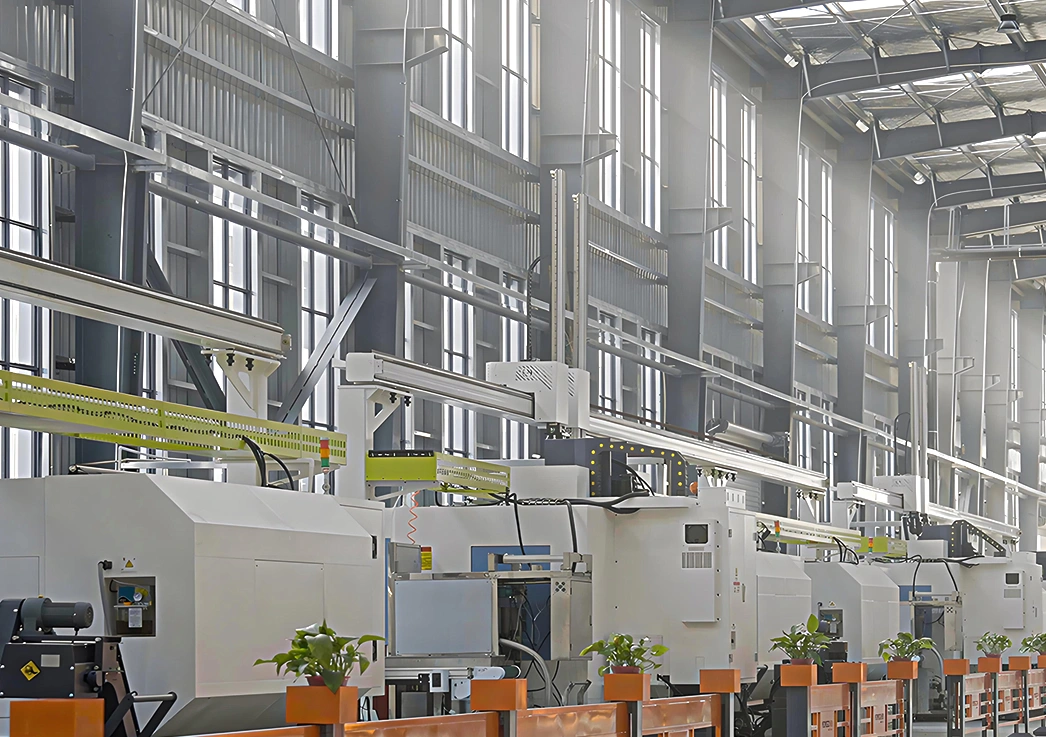
As a leading enterprise in China’s valve industry, Tianyu Valves will continue to optimize its products and services, adhere to compliance and quality first, and provide European purchasers with more cost-effective, reliable, and environmentally friendly valve solutions. The company’s commitment to quality, compliance, and customer service makes it a trusted partner for European purchasers looking to source valves from China.
We believe that with the joint efforts of both parties, the cooperation between European purchasers and Chinese valve manufacturers will be more in-depth and sustainable, creating greater value for both sides. As the global valve industry continues to evolve, the partnership between European purchasers and Chinese manufacturers will play an increasingly important role in driving industrial development and achieving mutual success.