I. Introduction
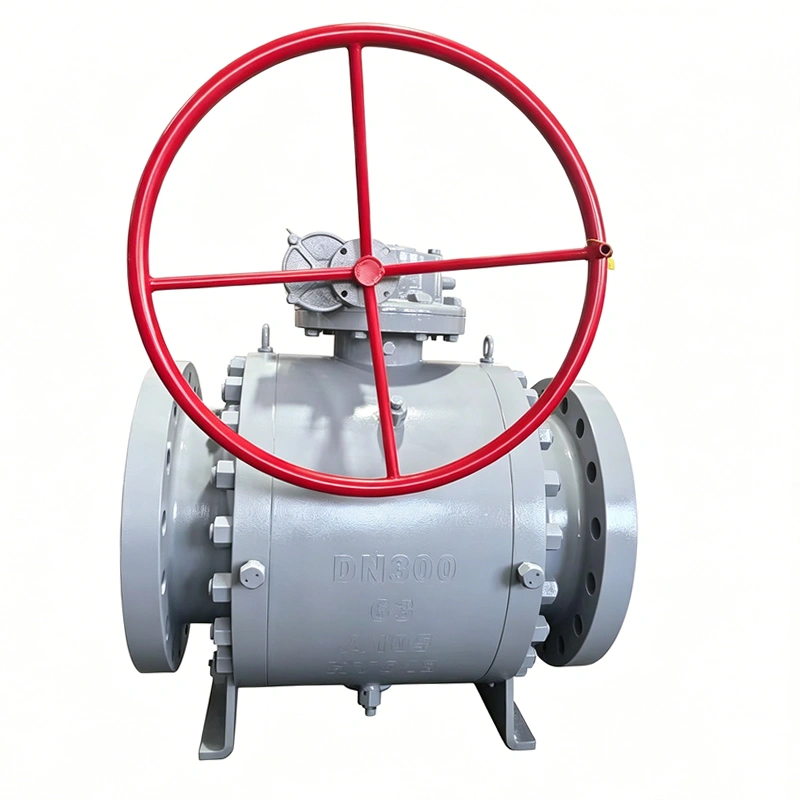
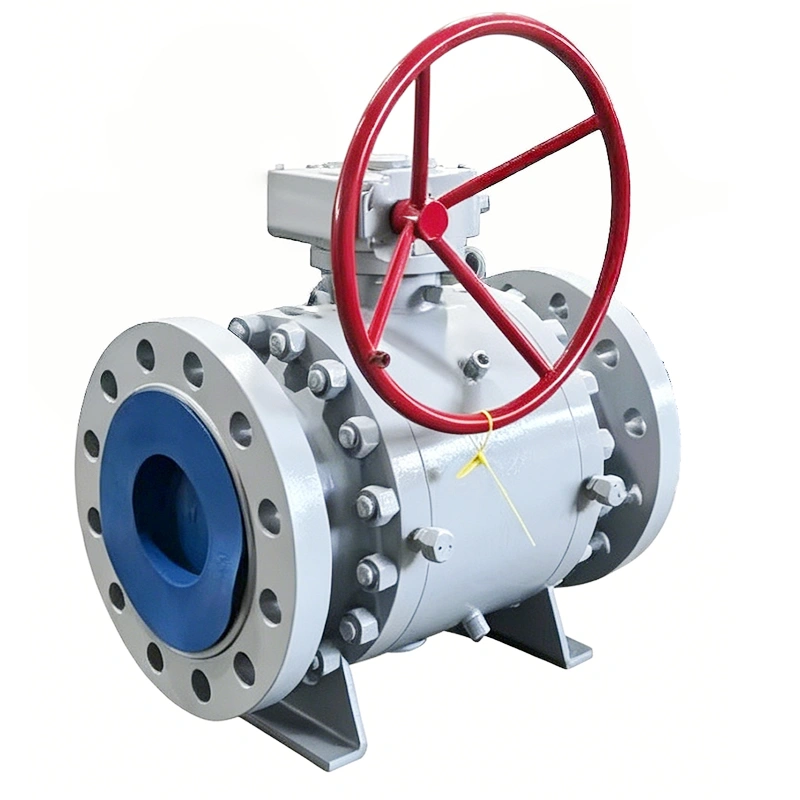
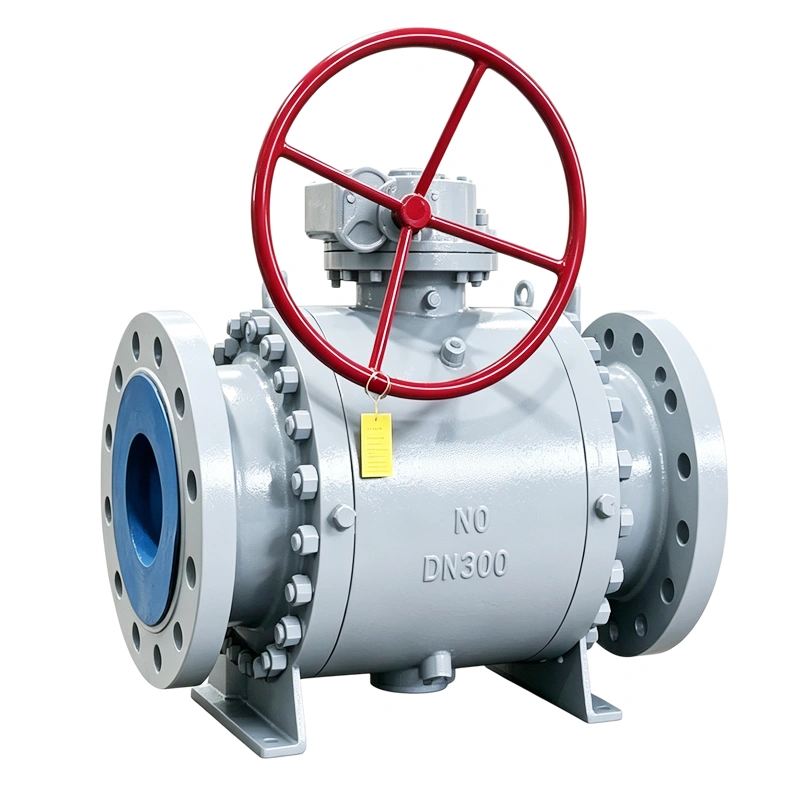
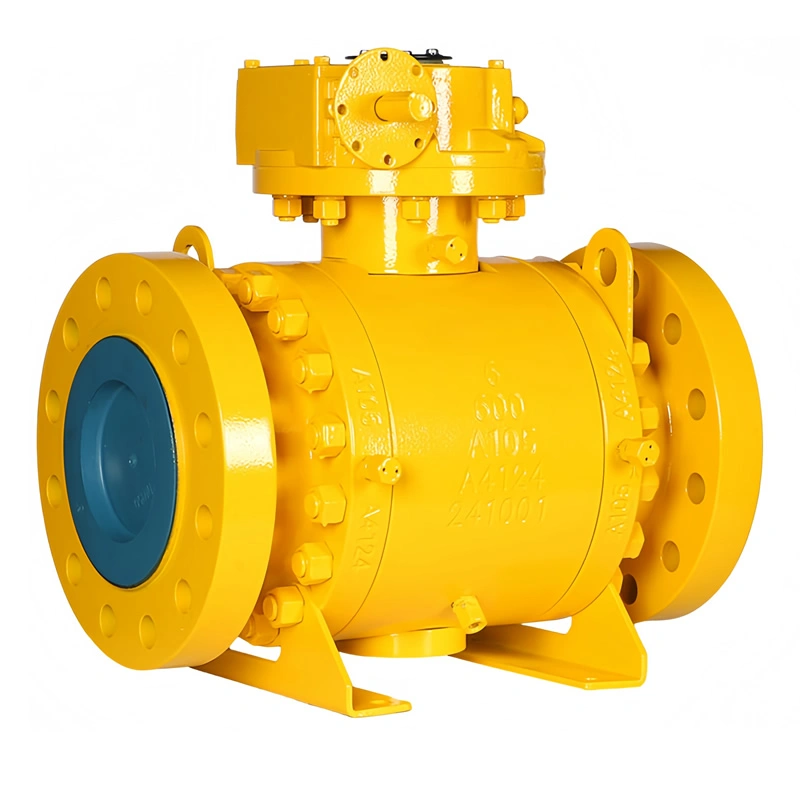
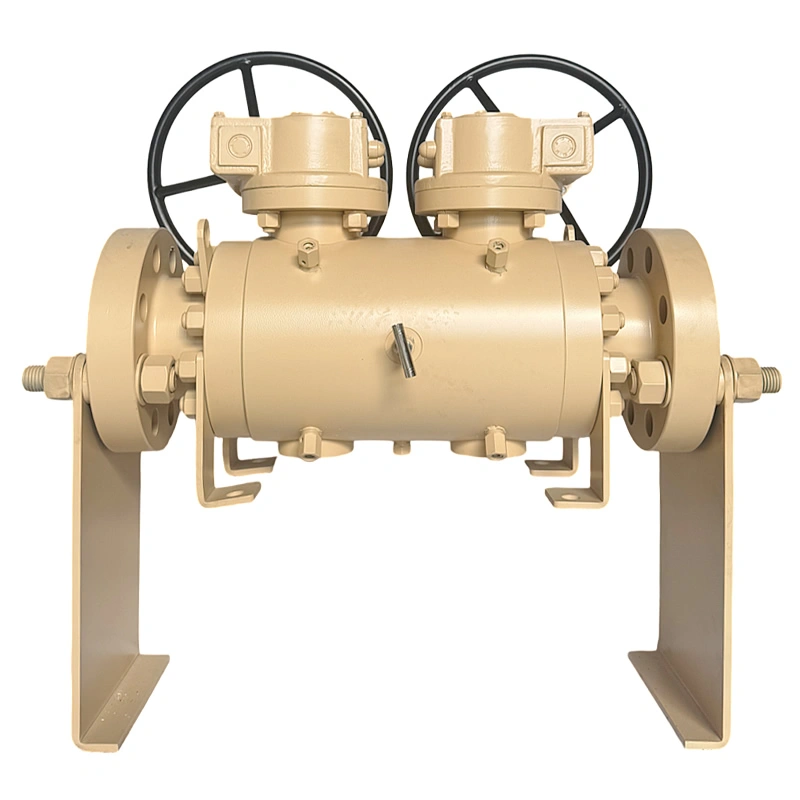
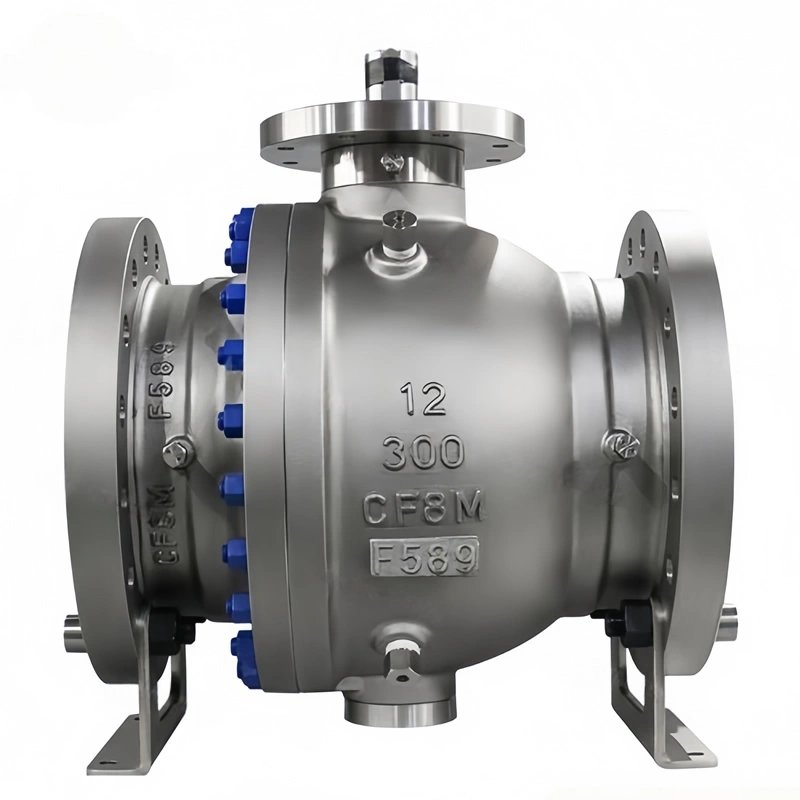
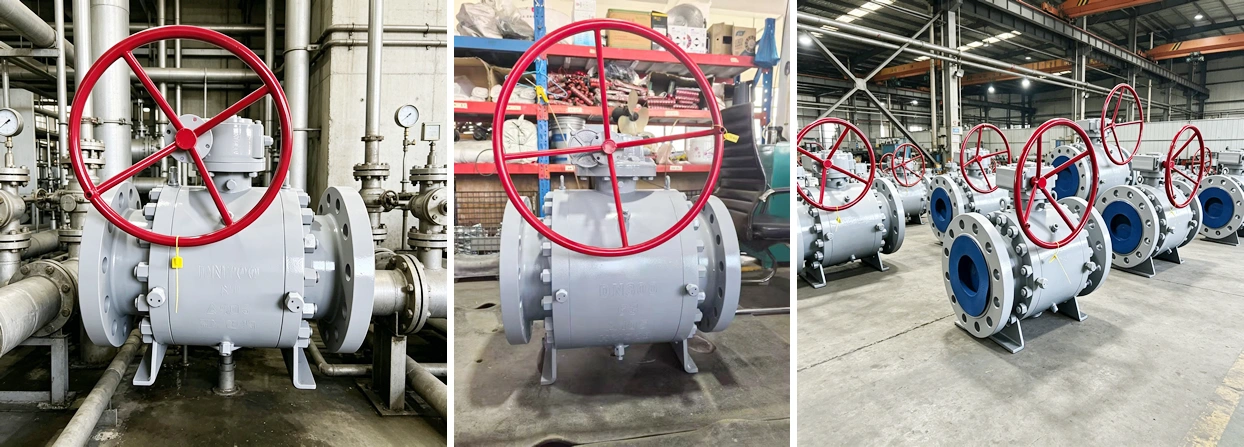
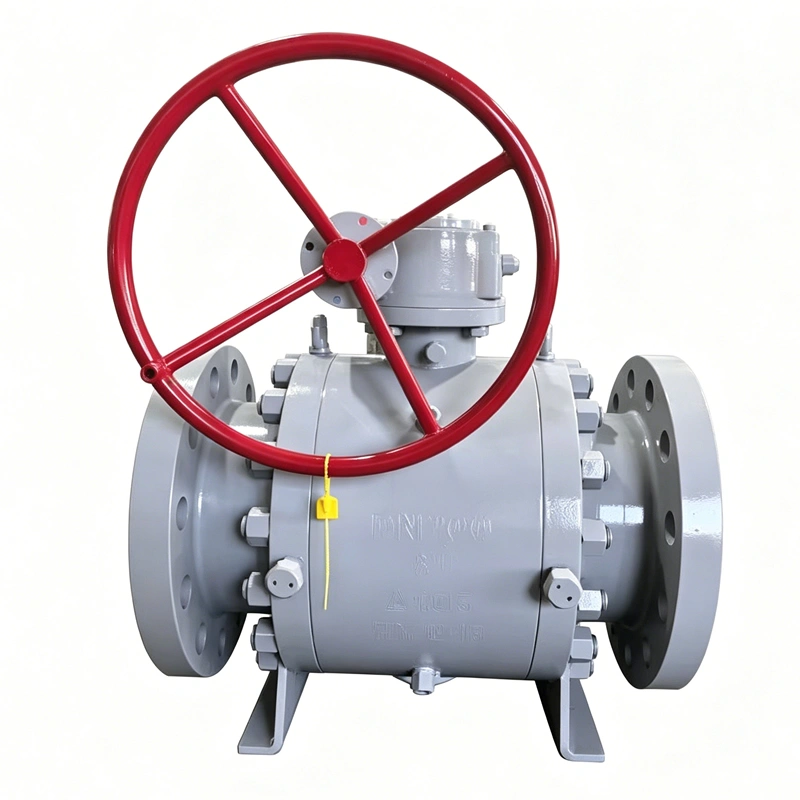
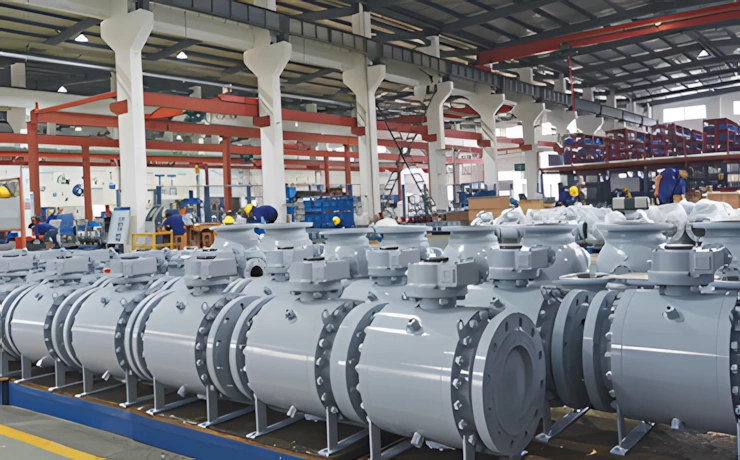
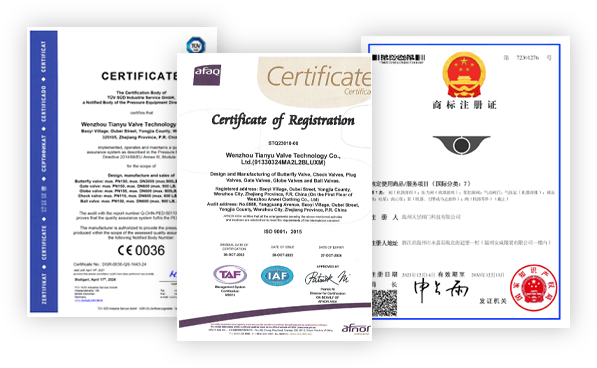
Within global energy and heavy‑process industries, high‑pressure pipeline systems demand robust quarter‑turn valves capable of stable shut‑off performance under sustained pressure fluctuation, thermal cycling, and particle‑laden process media. Trunnion‑mounted forged steel ball valves serve as critical pressure‑containing hardware for long‑distance transmission lines, refinery process loops, power generation auxiliary circuits and city gas distribution networks, differentiating from floating‑type ball valves by mechanically anchoring the ball with upper and lower trunnion shafts to absorb full‑line hydraulic thrust loadBonney For…. TIANYU, a globally‑oriented industrial valve manufacturer holding ISO 9001, CE‑PED and API‑certified production facilities, delivers forged steel trunnion‑mounted ball valves engineered strictly to international industrial standards for severe high‑pressure service.
Forged construction eliminates casting‑related inherent defects such as internal porosity, shrinkage cavities and grain inclusions which frequently appear in cast valve bodies, delivering enhanced mechanical strength and wall‑section integrity under cyclic pressure shocks. The trunnion‑supported ball transfers medium‑generated thrust onto valve body structure instead of seat assemblies, which greatly reduces operational torque and mitigates accelerated seat abrasion under high‑pressure differential conditions. This design trait makes such hardware especially suitable for large‑size and high‑class pressure working scenarios, where floating ball valves would otherwise require oversized actuator packages and suffer shortened service cycles.
This comprehensive technical document elaborates core standards compliance, critical material configuration, key structural design attributes, dimensional and performance specifications, full‑sequence manufacturing workflows, verified product advantages and real‑world industrial application scope of TIANYU forged steel trunnion‑mounted flanged ball valves. Compiled for process engineers, procurement specialists, pipeline contractors, maintenance supervisors and Google‑focused global sales practitioners, this content follows API 6D, API 608, API 607 fire‑safe specifications, ASME B16.34 pressure‑temperature rating rules and ISO 5208 test protocols, providing field‑validated technical references for global industrial fluid control projects.
II. Governing Global Industry Standards & Compliance Framework
Every TIANYU forged steel trunnion‑mounted ball valve undergoes design calculation, material qualification, production supervision and final performance verification aligned with multi‑national industrial standards, establishing uniform technical language for cross‑border engineering cooperation, procurement tender review and site acceptance inspection.
A. API Series Standards
- API 6D: This widely‑recognized petroleum and natural gas pipeline valve standard defines design requirements, material limits, dimensional rules, pressure test procedures and marking specifications for pipeline ball valves. It covers DBB (Double Block and Bleed) capability, cavity overpressure relief function and fire‑safe backup sealing requirements for pipeline critical service. TIANYU implements API 6D mandatory shell wall thickness calculation formula for all pressure classes, ensuring sufficient safety margin under maximum allowable working pressure and transient surge pressure.
- API 608: This standard specifies steel ball valve requirements for petroleum, petrochemical and allied industries, covering both floating and trunnion‑mounted construction. It regulates stem anti‑blow‑out structure, seat preload mechanism and fugitive emission‑oriented stem packing configuration.
- API 607: Fire‑safe standard for quarter‑turn valves. In case of external fire hazard, primary soft sealing components may degrade under high temperature; API 607 mandates functional metal‑to‑metal backup sealing to restrict hazardous medium leakage during and after fire exposure. All TIANYU trunnion‑mounted forged ball valves adopt API 607 compliant fire‑safe construction.
B. ASME Standards
- ASME B16.34: Establishes pressure‑temperature rating matrix for pressure‑bound valves. For A105 forged carbon steel material, this standard defines allowable working pressure corresponding to varying operating temperature ranges, preventing over‑rating risks under elevated service temperature.
- ASME B16.5: Governs flanged end dimensions, bolt layout, flange facing types including Raised Face and Ring‑Type‑Joint, ensuring mechanical interchangeability between valve flanges and client‑side pipeline flanges. TIANYU supports RF standard flange and optional RTJ high‑pressure flange for Class 600 and above heavy‑duty applications.
- ASME B16.10: Regulates valve face‑to‑face and end‑to‑end dimensional series, enabling direct replacement of existing installed valves without pipeline re‑work during plant revamping projects.
C. ISO & European Regulatory Specifications
- ISO 5208: Uniform industrial valve pressure‑testing standard, stipulating shell hydrostatic test, seat hydrostatic test and pneumatic seat leakage test procedures, acceptance thresholds and holding time parameters. TIANYU executes Class‑A zero‑visible‑leakage acceptance criteria for shell test and tight seat leakage criteria for sealing performance.
- ISO 15848‑1: Fugitive emission measurement, test and qualification standard for valve stem sealing assemblies. TIANYU’s packing system achieves Class AH fugitive emission grade, controlling volatile leakage under strict environmental protection requirements.
- CE‑PED 2014/68/EU: European pressure equipment directive. TIANYU high‑pressure forged trunnion ball valves obtain CE marking, completing hazard category assessment, material traceability verification and module‑B conformity evaluation for European market access.
D. Quality Management System Standard
- ISO 9001: TIANYU manufacturing facility holds valid ISO 9001 certification, enforcing full‑process quality management covering raw material incoming audit, intermediate machining inspection, assembly supervision and final‑test traceability.