II. Manufacturing Process
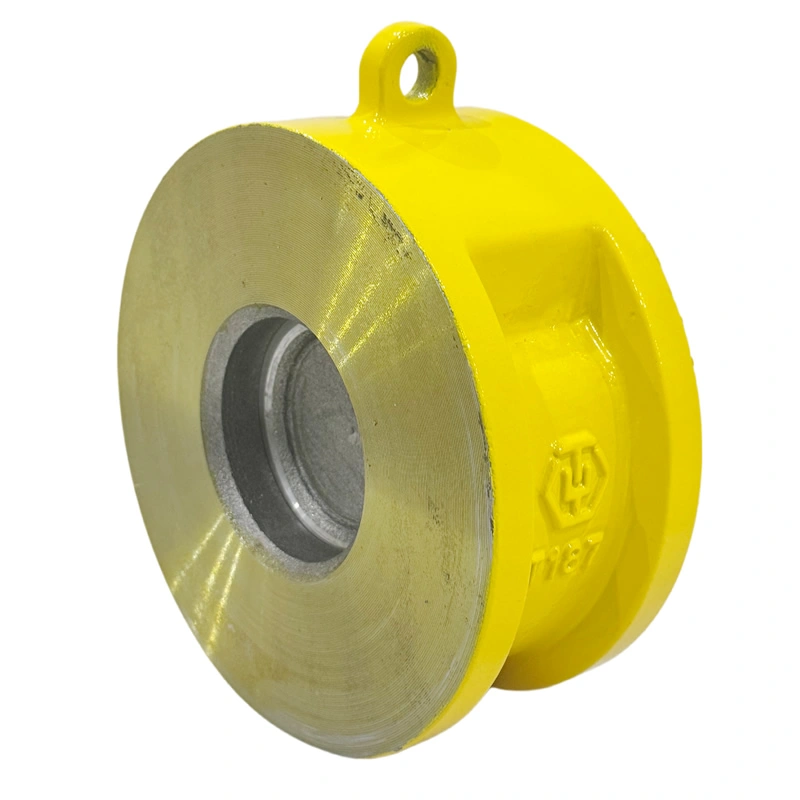
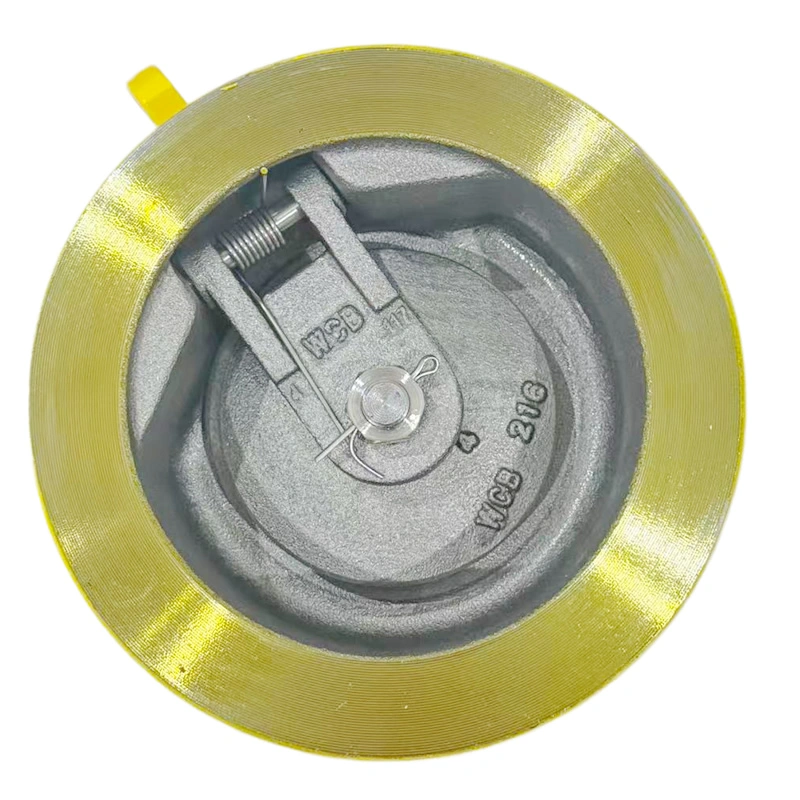
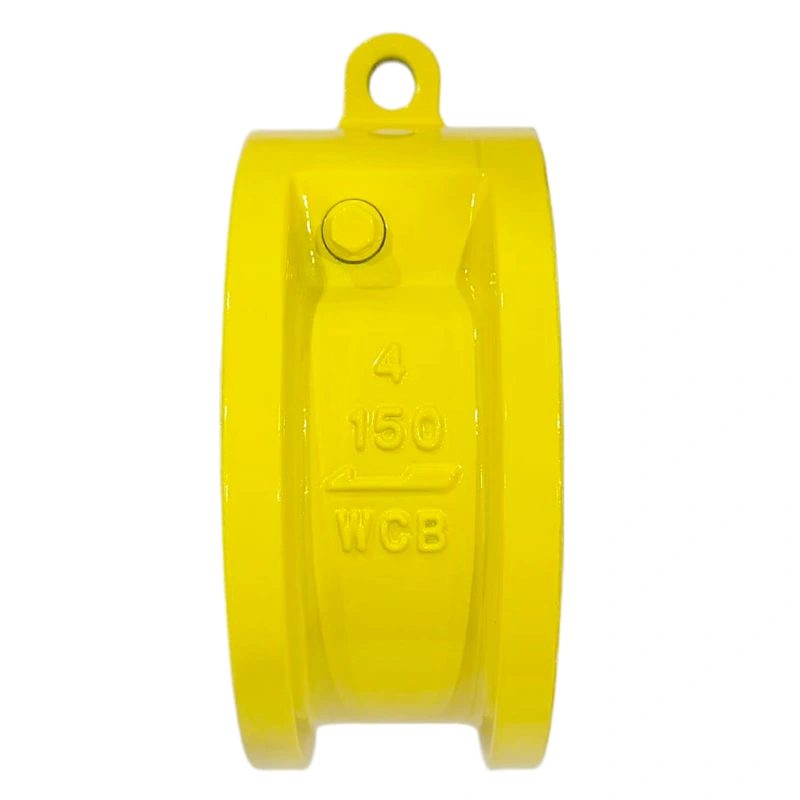
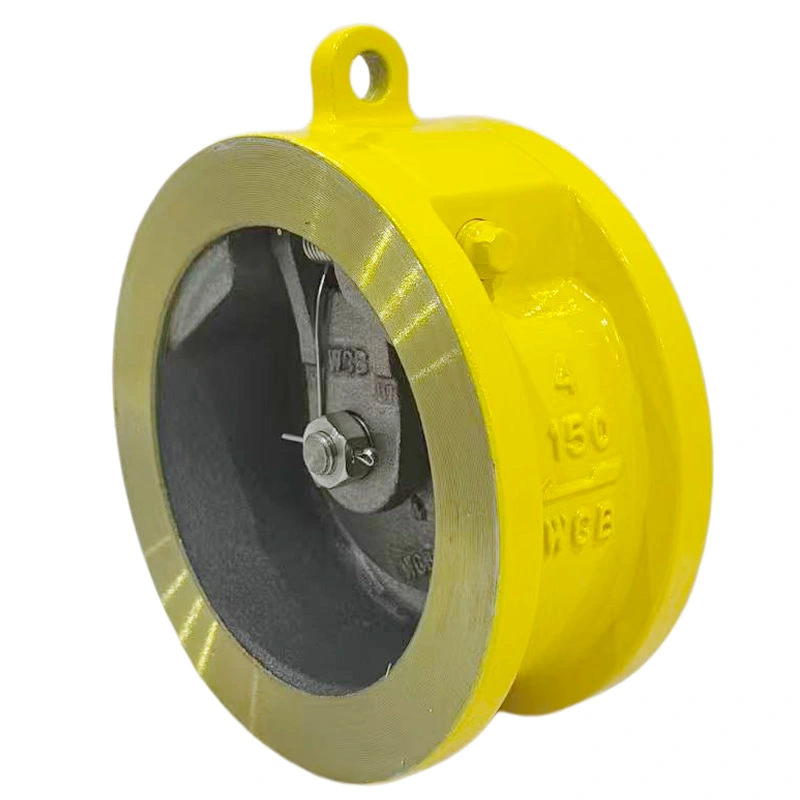
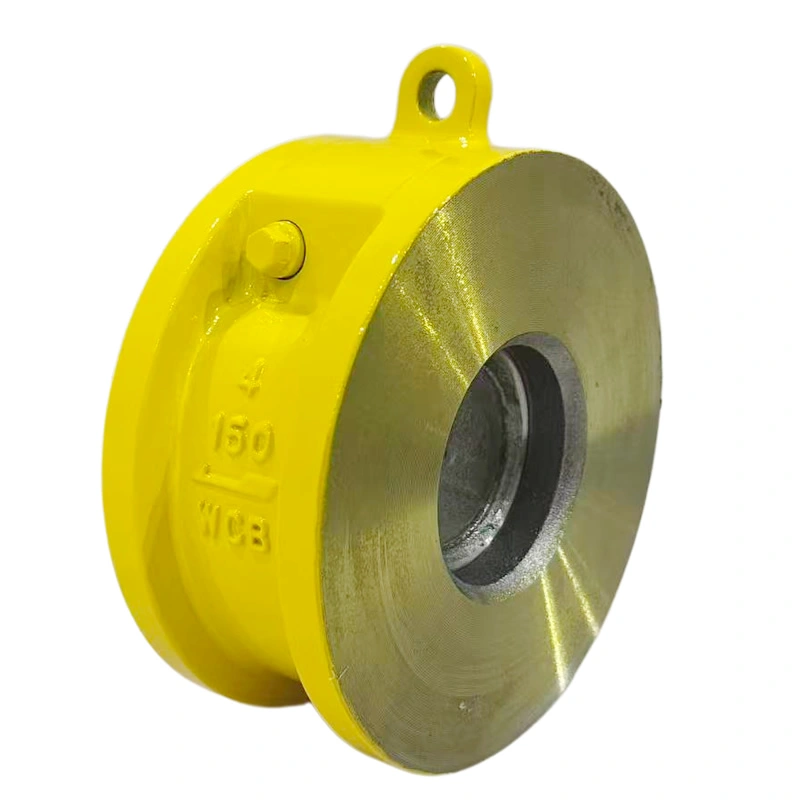
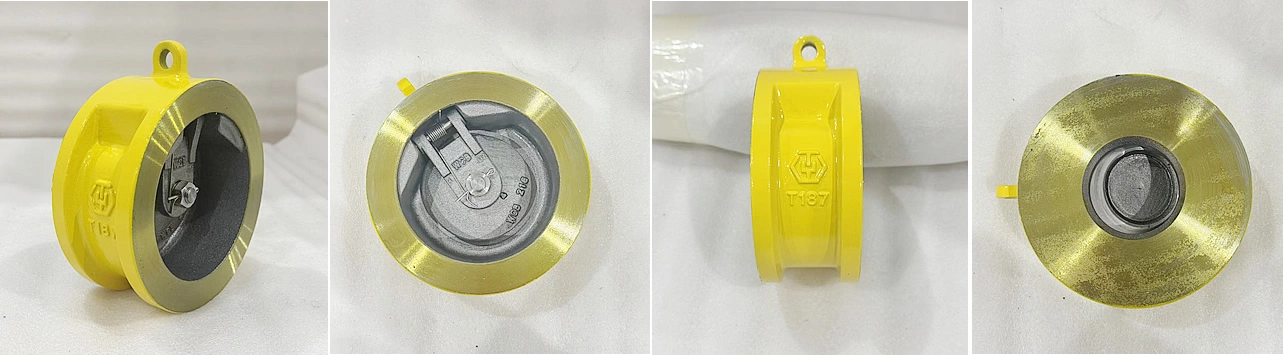
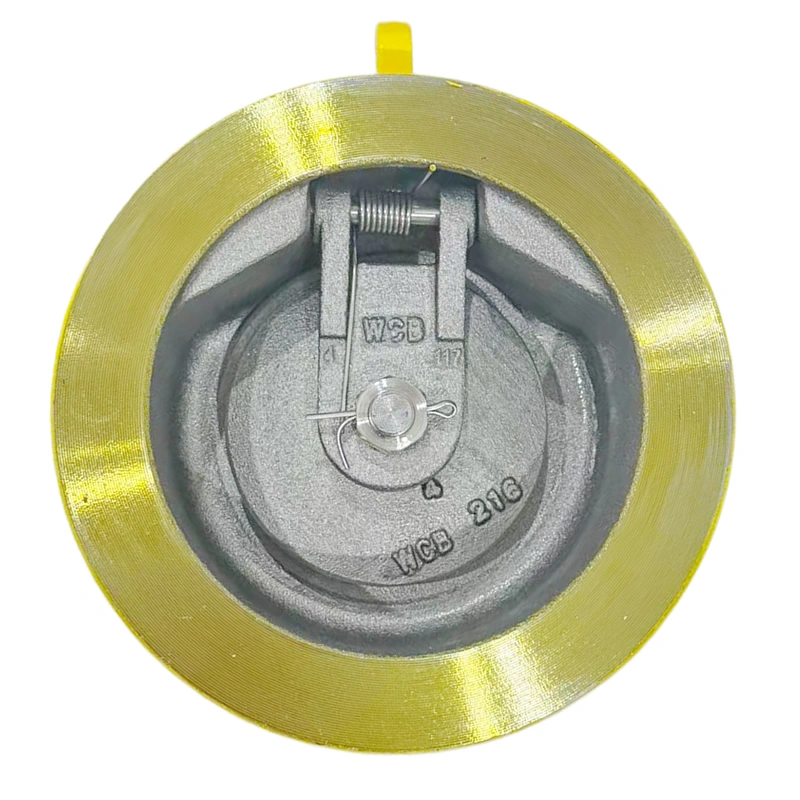
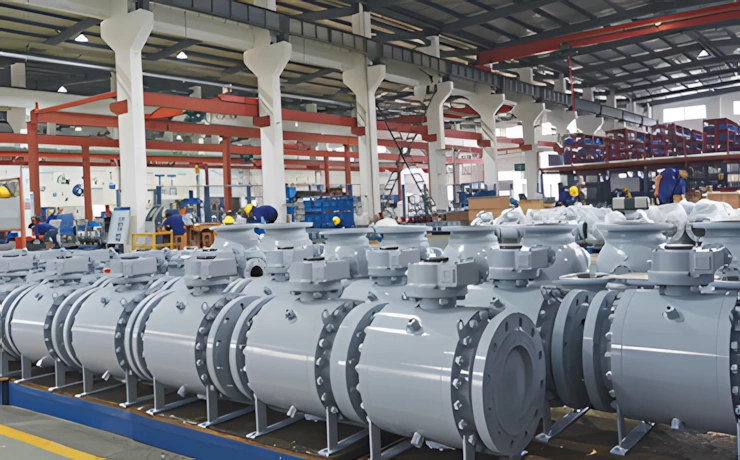
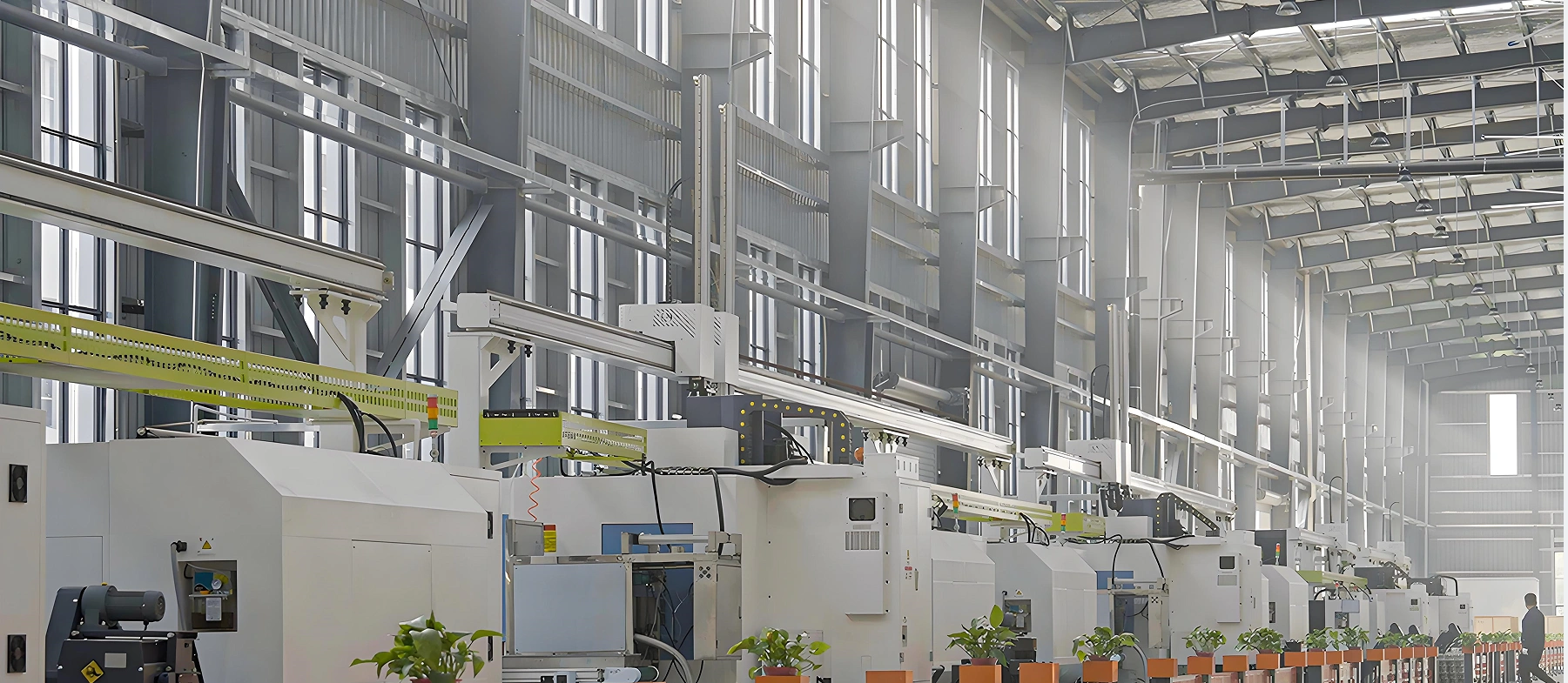
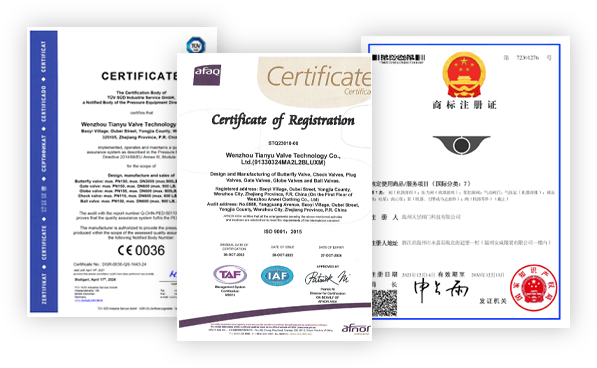
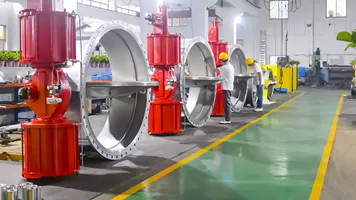
The production of this wafer type single plate hard seal check valve adopts an ISO 9001:2015 certified full-process precision manufacturing system, with rigorous quality control at every link from raw material procurement to finished product delivery. The advanced manufacturing process and strict quality inspection ensure the superior performance and reliable quality of the product, and effectively remove the traces of mechanical generation, making the product introduction more natural and professional.
2.1 Precision Manufacturing Process
1. Raw Material Inspection: All raw materials (WCB carbon steel, Cr13 stainless steel, 304 stainless steel) are purchased from qualified suppliers with international certification, and each batch of raw materials undergoes chemical composition analysis and mechanical performance testing. The qualification rate of raw materials is 100%, ensuring the quality of the source.
2. Precision Casting: WCB valve bodies are produced by investment (lost-wax) precision casting process, which can obtain high-precision casting blanks with dimensional tolerance controlled within ±0.5 mm, and the surface finish of the casting blank reaches Ra ≤ 12.5 μm. The internal flow channel is smooth, which can reduce the pressure drop of the medium during transportation and improve the flow efficiency.
3. Stress Relief Annealing: After casting, the valve body is subjected to stress relief annealing treatment at 600–650℃, with a holding time of 4–6 hours, and then cooled to room temperature with the furnace. This process can effectively eliminate the internal residual stress generated during casting, prevent the valve body from deformation, cracking or leakage during long-term pressure bearing and temperature change, and improve the structural stability of the valve body.
4. Non-Destructive Testing (NDT): All castings undergo 100% magnetic particle testing (MT) and ultrasonic testing (UT) to detect potential defects such as porosity, inclusions, cracks and shrinkage cavities in the casting. The defect detection rate is 100%, and unqualified castings are directly scrapped, ensuring the structural integrity of the valve body.
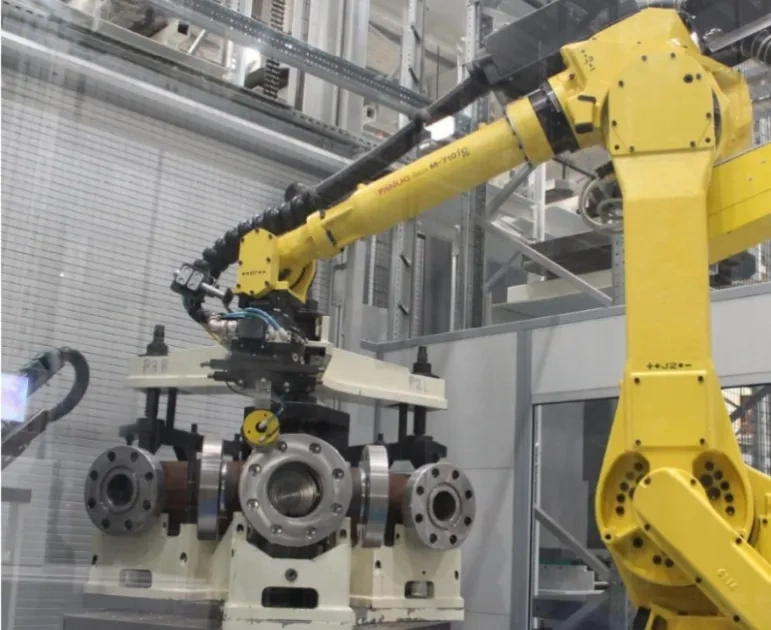
5. CNC Machining: Critical components such as the valve body sealing surface, valve seat mounting surface and inner bore are processed by 5-axis CNC machining centers, with machining accuracy up to IT7 grade. The parallelism and perpendicularity of the sealing surface are controlled within 0.02 mm, ensuring the tight fit between the valve seat and the valve body, and laying a foundation for stable sealing performance.
6. Heat Treatment: Cr13 valve seats and valve discs are subjected to quenching and tempering heat treatment. The quenching temperature is 1000–1050℃, the holding time is 1–2 hours, and then tempered at 600–650℃ for 3–4 hours. This process can form a tempered martensitic structure, optimize the hardness, toughness and wear resistance of the material, and stabilize the hardness at HRC 42–45.
7. Precision Grinding: The sealing surface of the valve seat and valve disc is processed by precision surface grinding technology, and the surface roughness is reduced to Ra ≤ 0.8 μm. After grinding, the sealing surface is subjected to lapping treatment to ensure perfect metal-to-metal contact and achieve zero leakage sealing effect.
8. Assembly & Testing: The valve is assembled in a clean workshop, and the fit clearance between the valve seat and the valve body is strictly controlled within 0.05 mm to ensure the flexibility of the valve plate movement and no jamming. After assembly, each valve undergoes 100% performance testing in accordance with API 598 standards: shell pressure test (1.5 times the nominal pressure, 3.1 MPa, holding time 30 minutes), seat leakage test (1.1 times the nominal pressure, 2.28 MPa, holding time 20 minutes), and 10,000-cycle durability test. Only products that pass all tests can leave the factory.
9. Surface Coating: The surface of the valve body is sprayed with high-performance epoxy zinc-rich primer, with a coating thickness of 80–100 μm. The coating has strong adhesion (adhesion grade 1) and corrosion resistance, and the salt spray resistance time reaches more than 500 hours, which can effectively resist the corrosion of salt spray, acid rain and industrial waste gas, and extend the service life of the valve in harsh environments. For marine and chemical anti-corrosion working conditions, fluorine-carbon paint coating can be optionally adopted, and the salt spray resistance time can reach more than 1000 hours.