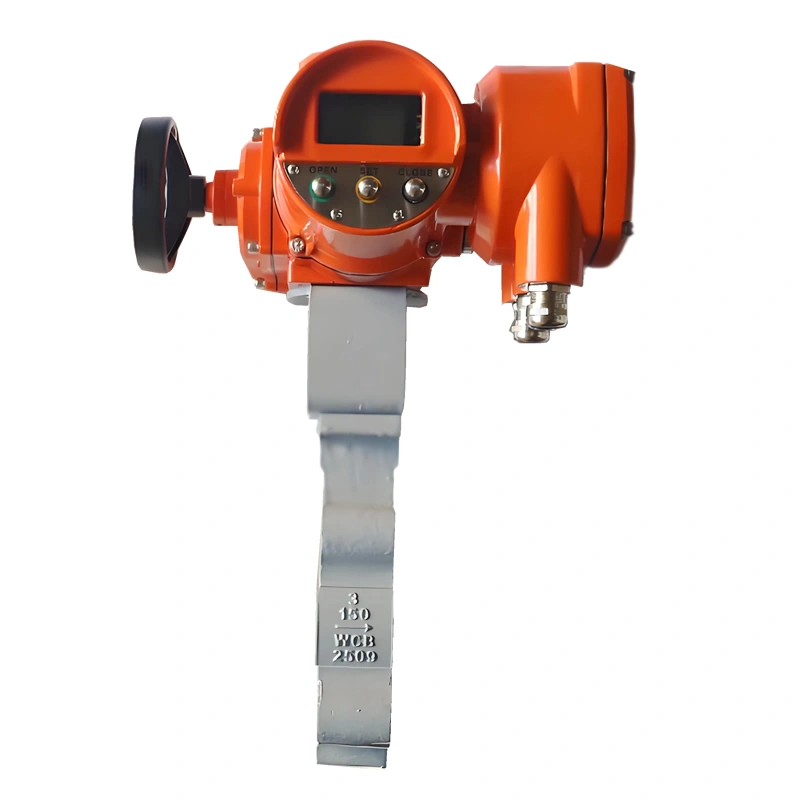
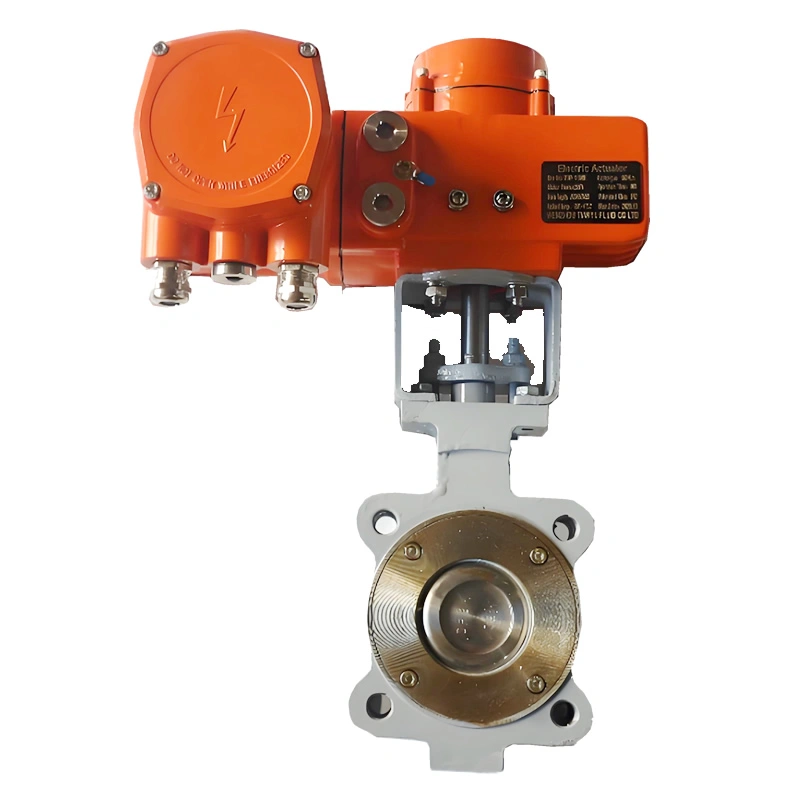
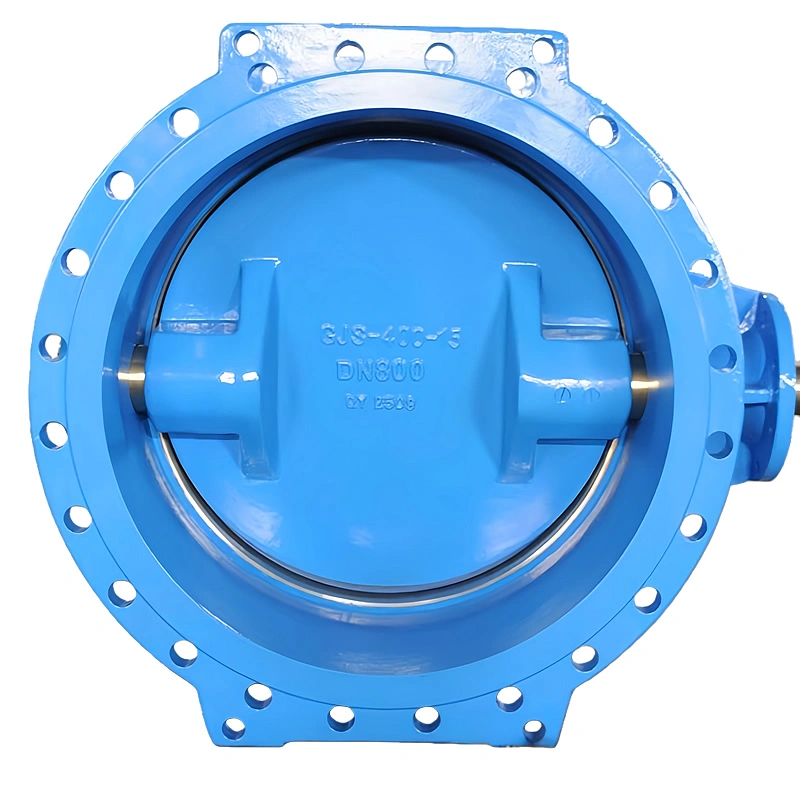
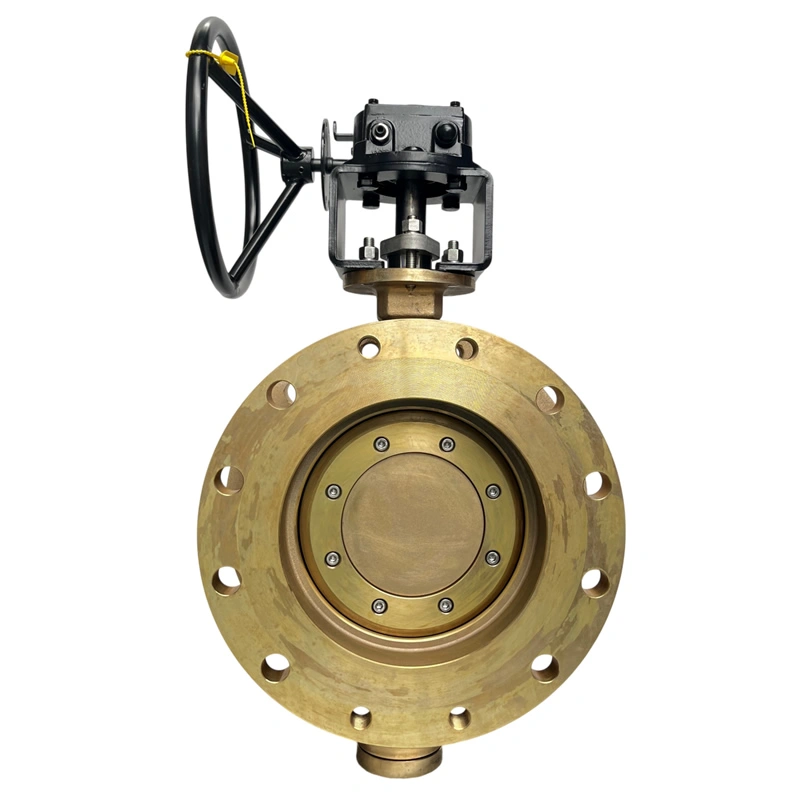
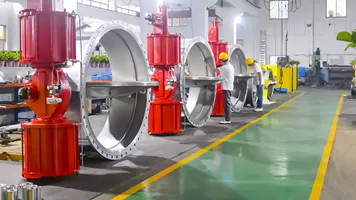
The double eccentric (offset) design is the hallmark of this valve, setting it apart from concentric or single-eccentric alternatives. By offsetting the disc’s axis from both the valve body’s center and the seat’s sealing face, the disc lifts away from the seat during the opening/closing stroke—eliminating contact for over 90% of the movement. This drastically reduces friction and wear, extending the seal’s service life by 2–3 times compared to concentric butterfly valves.
In applications with frequent cycling (e.g., chemical batch processing), this design ensures consistent sealing performance over thousands of cycles. For example, in a refinery’s gasoline blending system, the double eccentric valve maintained ANSI Class IV leakage after 10,000 cycles, while a single-eccentric valve required seal replacement after 3,000 cycles.
WCB carbon steel is a workhorse material for industrial valves, offering a balance of strength, cost-effectiveness, and weldability. It withstands pressures up to Class 150 and temperatures up to 200℃, making it suitable for oil, gas, steam, and water services. Unlike exotic alloys, WCB is readily available and economical—ideal for large-scale projects where cost control is critical.
In a power plant’s cooling water system, a WCB butterfly valve operated reliably for 8 years, resisting corrosion from treated water and mechanical stress from pipeline vibrations. Its weldability also allows for on-site repairs, a significant advantage in remote or offshore installations.
Lug-type flanges offer distinct advantages over wafer or wafer-style flanges:
- Bolt-Through Installation: Lug flanges are drilled to allow bolts to pass through the valve and into the pipeline flanges, simplifying alignment and reducing installation time. This is especially beneficial in confined spaces or when retrofitting into existing systems.
- Isolation Capability: Lug valves can be installed with blind flanges on one side, enabling easy isolation for maintenance without disrupting the entire pipeline. In a chemical plant’s batch reactor feed line, this feature allows for quick valve inspection, minimizing downtime.
- Compatibility: Lug flanges conform to ASME B16.5, ensuring compatibility with standard pipeline flanges from other manufacturers. This interchangeability reduces inventory costs and streamlines procurement for multi-vendor projects.
The soft-sealed design, typically using EPDM or PTFE, delivers ANSI/FCI Class IV~VI leakage performance—meaning minimal to no media loss. EPDM is suitable for general industrial media (water, air, lubricating oils), while PTFE extends compatibility to aggressive chemicals (e.g., sulfuric acid, sodium hydroxide).
In a pharmaceutical facility’s API manufacturing line, a PTFE-sealed valve maintained bubble-tight performance, preventing product contamination and ensuring compliance with FDA regulations. Even under temperature fluctuations and cyclic operation, the soft seal retains its elasticity, ensuring long-term reliability.
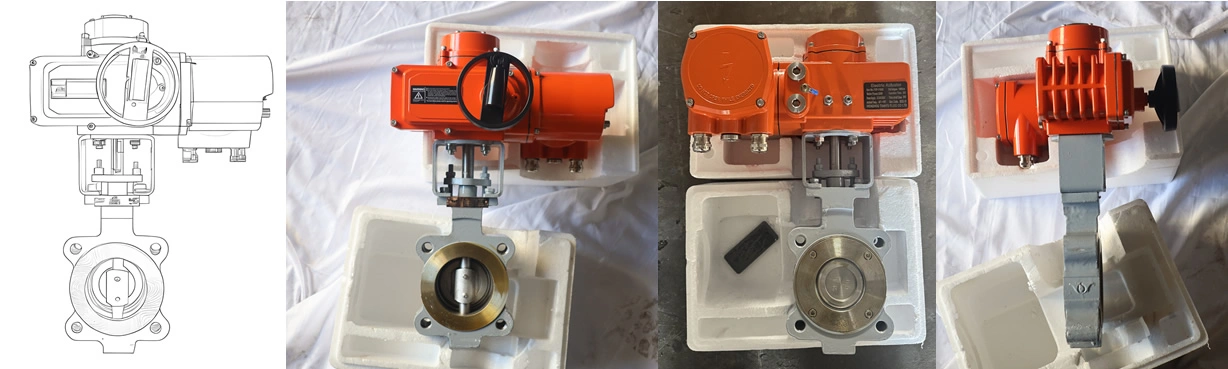
The electric actuator enables automated control, integrating seamlessly with SCADA/DCS systems for remote monitoring and process optimization. In a chemical plant’s solvent recovery system, the valve is programmed to open/close based on tank level sensors, reducing manual labor and operational errors.
The manual override feature ensures the valve can be operated during power outages or actuator failures—a critical safety measure for process-critical applications. In an oil refinery’s emergency shutdown system, operators can manually close the valve to prevent hydrocarbon leaks, mitigating environmental and safety risks.
- WCB Verification: Raw material billets undergo spectral analysis to confirm chemical composition (C: 0.25–0.35%, Mn: 0.60–1.00%) and ultrasonic testing to detect internal defects. Mechanical testing (tensile, impact) ensures compliance with ASTM A216 standards.
- Seal Material Testing: EPDM/PTFE seals are tested for compression set, tensile strength, and chemical resistance to ensure they meet industrial or sanitary-grade requirements.
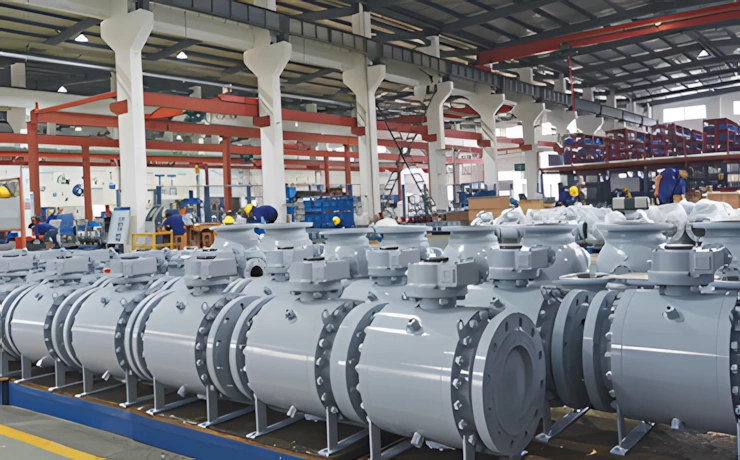
- Casting: The valve body and disc are produced via sand casting for WCB carbon steel, ensuring dimensional accuracy and a robust structure. Castings are normalized to relieve internal stresses, enhancing durability.
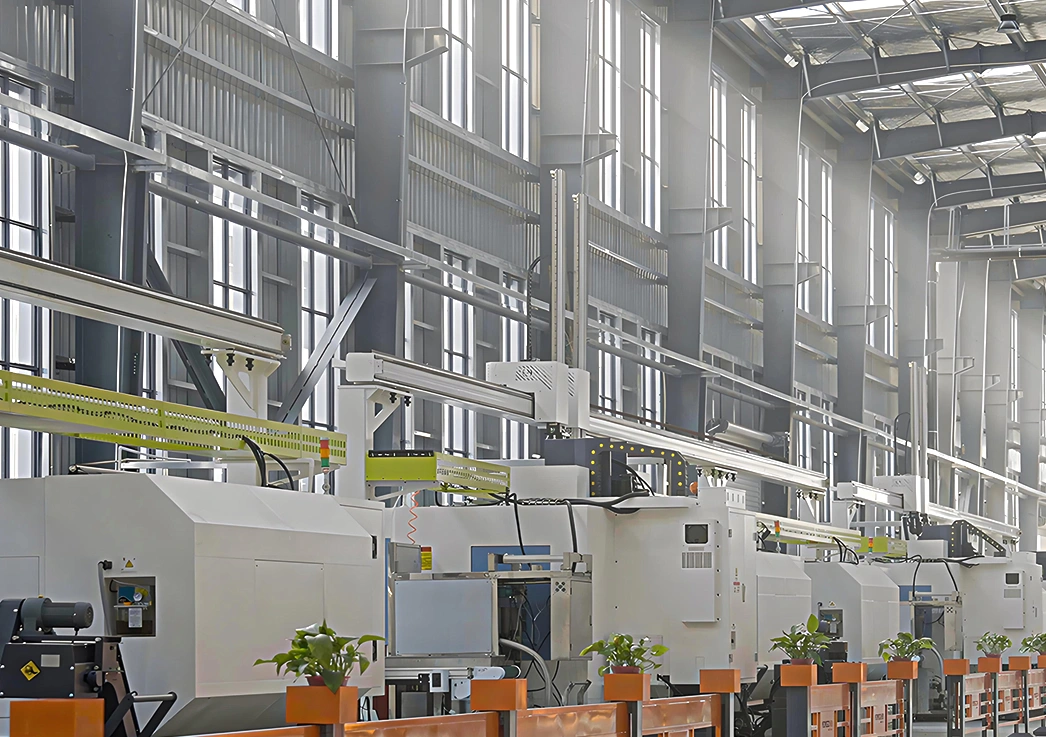
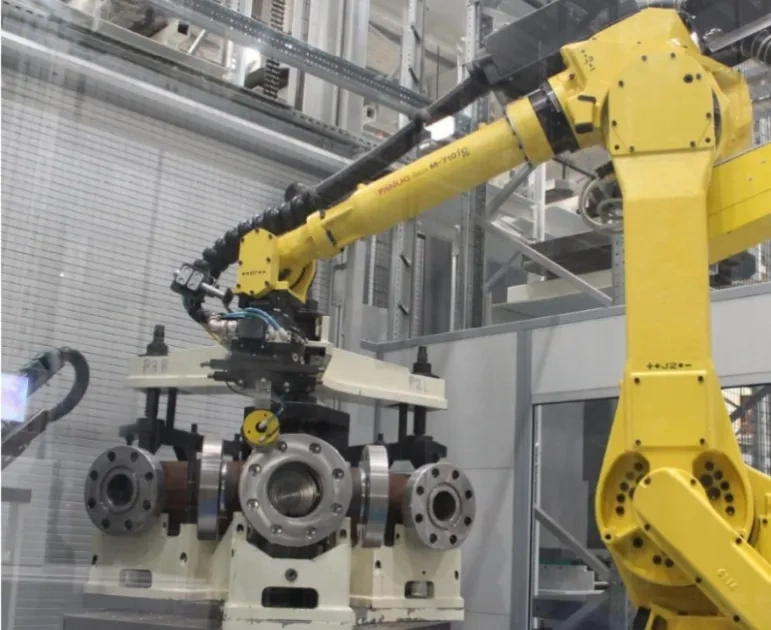
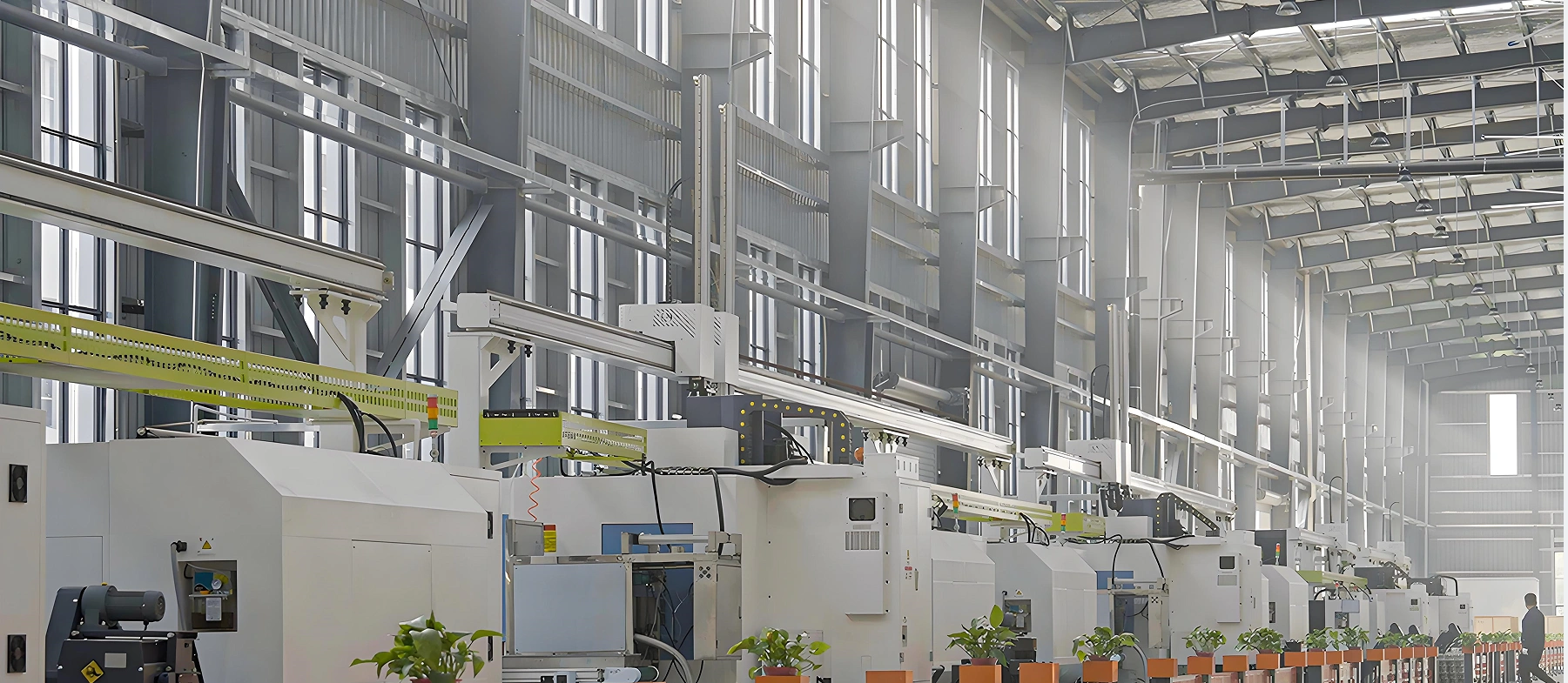
- Machining: CNC turning and milling centers shape the body, disc, and lug flanges. The double eccentric disc is precision-machined to ensure the offset dimensions are within ±0.05mm, critical for proper sealing and reduced wear. Flange faces are machined to flatness tolerance ≤0.05mm/m and surface finish Ra ≤3.2μm for proper gasket seating.
- Seal Installation: Soft seals (EPDM/PTFE) are precision-cut and installed into the valve body, with spring-loading to compensate for thermal expansion and wear. The disc’s sealing edge is lapped to ensure uniform contact with the seal.
- Actuator Mounting: The electric actuator is mounted to the valve via an ISO 5211 adapter flange. The drive shaft is connected to the valve stem, with laser alignment to ensure coaxiality and smooth operation. Actuator controls are calibrated to match the valve’s torque requirements, ensuring reliable actuation.
- Hydrostatic Testing: The valve undergoes shell and seat tests at 1.5× and 1.1× rated pressure, respectively, with no leakage allowed.
- Operational Testing: The valve is cycled 100 times to verify smooth operation, torque consistency, and seal integrity. Leakage is measured using a bubble counter to confirm ANSI/FCI Class IV~VI performance.
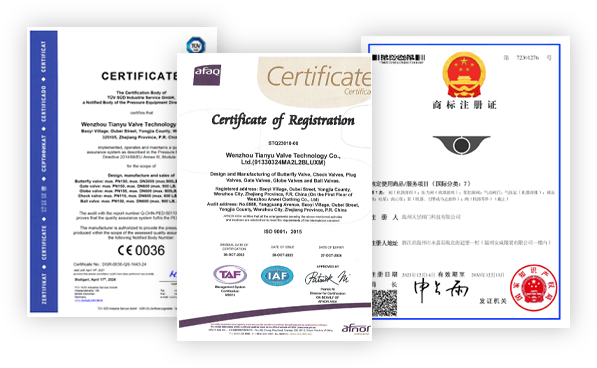
- Documentation: Material test reports, hydrostatic test reports, and compliance certificates (API 609, ISO 9001) are provided for each valve.